
التعامل مع العواصف الترابية.. مراوح الشفط والمكيفات.. ما الذي يُشغَّل وما الذي يُغلق؟ – أخبار السعودية
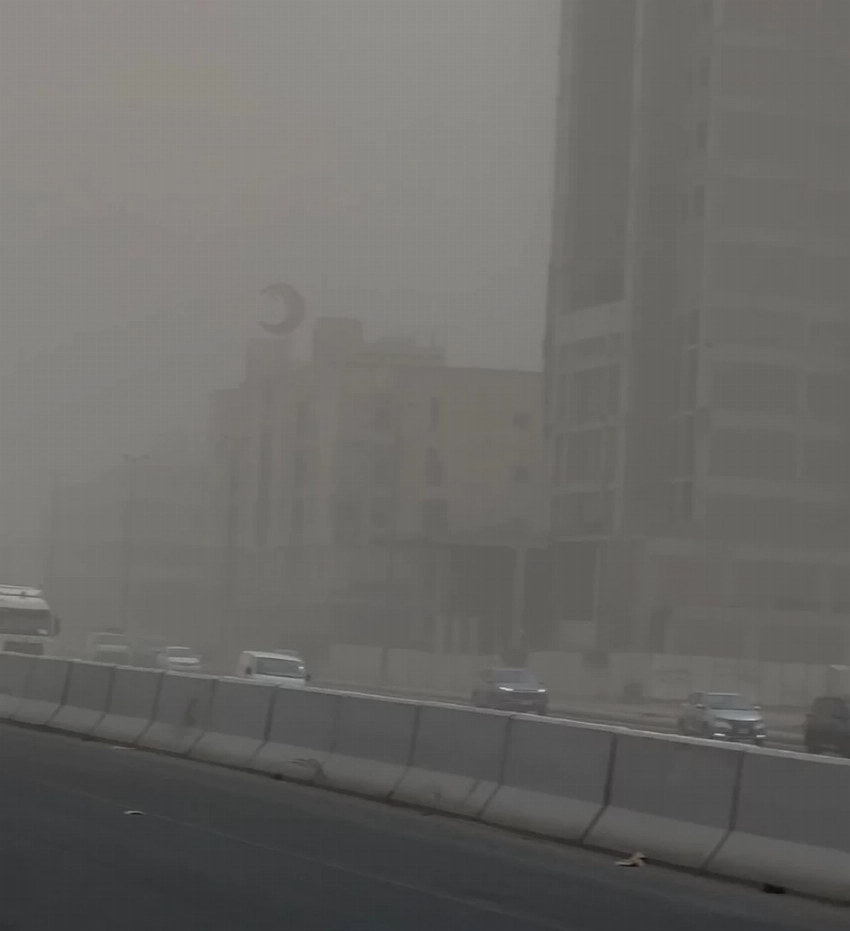
يوصي مختصون في جودة الهواء الداخلي باتخاذ إجراءات محددة داخل المنازل أثناء العواصف الترابية، لتقليل دخول الجسيمات الدقيقة وتحسين جودة الهواء داخل المباني، خصوصًا مع انتشار أنظمة التكييف المختلفة.
وتؤكد إرشادات جودة الهواء الداخلي الصادرة عن وكالة حماية البيئة الأمريكية، ومعايير التهوية لدى الجمعية الأمريكية لمهندسي التدفئة والتبريد وتكييف الهواء أن تقليل دخول الهواء الخارجي الملوث والاعتماد على ترشيح الهواء داخل المبنى من أهم الوسائل للحماية أثناء الغبار.
أهم الإرشادات:
* مراوح الشفط: يفضّل إيقافها أثناء الغبار؛ لأنها قد تسحب الهواء الملوث إلى الداخل عبر الشقوق والفتحات.
* المكيفات السبليت: يمكن تشغيلها؛ لأنها تعيد تدوير الهواء داخل الغرفة وتعمل فلاترها على التقاط جزء من الغبار.
* مكيفات الشباك: يمكن تشغيلها بشرط إغلاق النوافذ بإحكام، مع تنظيف الفلاتر بانتظام لتقليل دخول الأتربة.
ويشير مختصون إلى أن أفضل ممارسة خلال موجات الغبار هي إغلاق النوافذ والأبواب، وتشغيل أجهزة التكييف أو التنقية ذات الفلاتر بدلاً من الاعتماد على التهوية الخارجية.
الخلاصة العملية:
أثناء الغبار الأفضل هو إغلاق المنزل وتشغيل أجهزة التكييف أو التنقية، مع إيقاف مراوح الشفط لتقليل دخول الأتربة.
Indoor air quality specialists recommend taking specific actions inside homes during dust storms to reduce the entry of fine particles and improve indoor air quality, especially with the prevalence of various air conditioning systems.
The indoor air quality guidelines issued by the U.S. Environmental Protection Agency and the ventilation standards of the American Society of Heating, Refrigerating and Air-Conditioning Engineers emphasize that reducing the entry of polluted outdoor air and relying on air filtration inside the building are among the most important means of protection during dust events.
Key guidelines:
* Exhaust fans: It is preferable to turn them off during dust storms, as they may draw polluted air inside through cracks and openings.
* Split air conditioners: They can be operated; they recycle air within the room and their filters capture some of the dust.
* Window air conditioners: They can be used provided that the windows are tightly closed, and the filters are cleaned regularly to reduce dust entry.
Experts indicate that the best practice during dust waves is to close windows and doors and operate air conditioning or filtration devices with filters instead of relying on external ventilation.
Practical summary:
During dust storms, the best approach is to close the house and operate air conditioning or filtration devices, while turning off exhaust fans to minimize dust entry.
للمزيد من المقالات
اضغط هنا
التعليقات