
حرب إيران تدفع أسعار البنزين للارتفاع 23.5% في أمريكا – أخبار السعودية
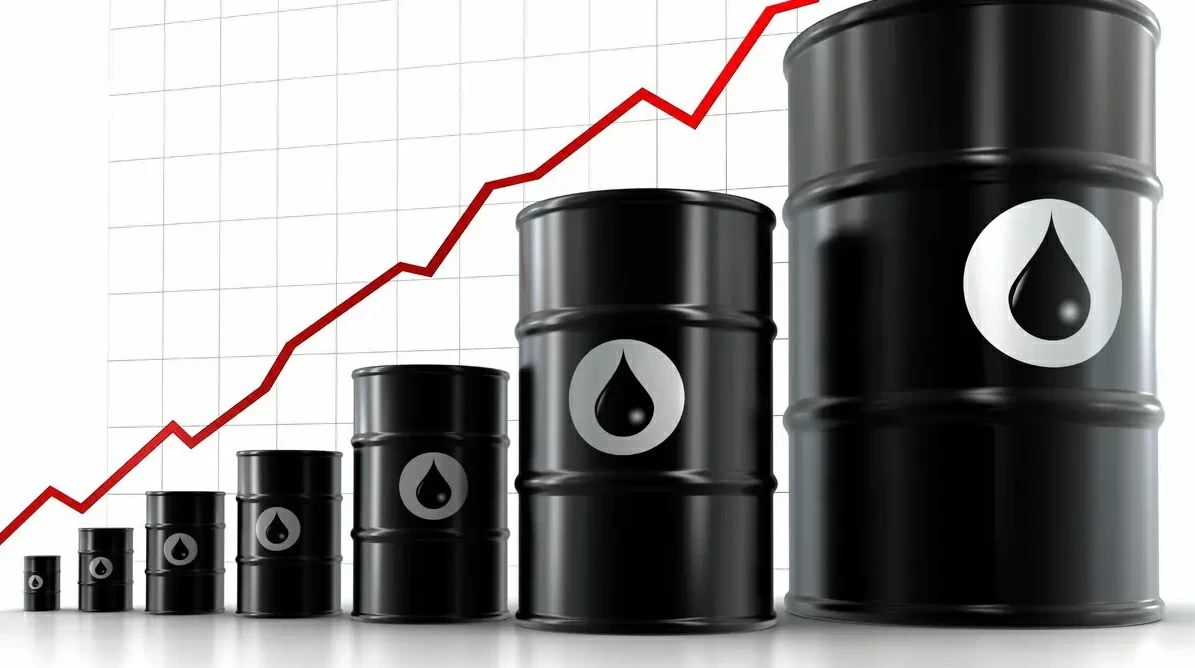
سجلت أسعار البنزين في الولايات المتحدة ارتفاعًا ملحوظًا، إذ بلغ متوسط السعر، السبت، نحو 3.68 دولار للجالون، بزيادة تقدر بنحو 23.5% منذ اندلاع الحرب مع إيران في 28 فبراير الماضي، وفقا لـ«نيوروك تايمز».
وجاء هذا الارتفاع بالتزامن مع صعود أسعار النفط العالمية، التي قفزت بنحو 40% خلال الفترة نفسها، لتغلق تداولات الجمعة عند 103.14 دولار للبرميل، في ظل التأثير المباشر لتقلبات أسعار الخام على أسعار الوقود.
وأشارت تقارير «بلومبيرغ» أن استمرار ارتفاع أسعار النفط قد ينعكس سلبًا على الاقتصاد العالمي. ووفق نموذج اقتصادي للصدمة (SHOK)، فإن اقتراب سعر النفط من 110 دولارات للبرميل قد يؤدي إلى تراجع الناتج المحلي الإجمالي بنحو 0.5%، مع ارتفاع التضخم بمقدار نقطة مئوية واحدة في كل من المملكة المتحدة ومنطقة اليورو، أما إذا ارتفع السعر إلى حدود 170 دولارًا للبرميل، فقد يتضاعف تأثيره على النمو والتضخم.
ويتركز الأثر الاقتصادي في الولايات المتحدة بشكل رئيسي على معدلات التضخم، أكثر من تأثيره على النمو الاقتصادي.
ورجحت التقديرات أن يتراجع التصعيد العسكري خلال الأسابيع القادمة، مع احتمال تحول الصراع إلى وقف لإطلاق النار أو إلى مواجهة أقل حدة.
ويرى مراقبون أن هناك ثلاثة عوامل رئيسية قد تسهم في إنهاء الحرب، تتمثل في الضغوط الاقتصادية الناتجة عن ارتفاع أسعار النفط، واستنزاف المخزونات العسكرية، إضافة إلى تصاعد الضغوط الشعبية داخل الولايات المتحدة.
Gas prices in the United States have recorded a noticeable increase, with the average price on Saturday reaching about $3.68 per gallon, an increase of approximately 23.5% since the outbreak of the war with Iran on February 28, according to the “New York Times”.
This increase coincided with the rise in global oil prices, which jumped by about 40% during the same period, closing Friday’s trading at $103.14 per barrel, amid the direct impact of crude oil price fluctuations on fuel prices.
Reports from “Bloomberg” indicated that the continued rise in oil prices could negatively affect the global economy. According to a shock economic model (SHOK), approaching the price of oil to $110 per barrel could lead to a decline in GDP by about 0.5%, with inflation rising by one percentage point in both the United Kingdom and the Eurozone. If the price rises to around $170 per barrel, its impact on growth and inflation could double.
The economic impact in the United States is primarily focused on inflation rates, more than its effect on economic growth.
Estimates suggest that military escalation may decrease in the coming weeks, with the possibility of the conflict shifting to a ceasefire or a less intense confrontation.
Observers believe that there are three main factors that could contribute to ending the war, which include the economic pressures resulting from rising oil prices, the depletion of military stocks, and the increasing public pressure within the United States.
للمزيد من المقالات
اضغط هنا
التعليقات