
مسارات الحرب الأمريكية – الإسرائيلية مع إيران – أخبار السعودية
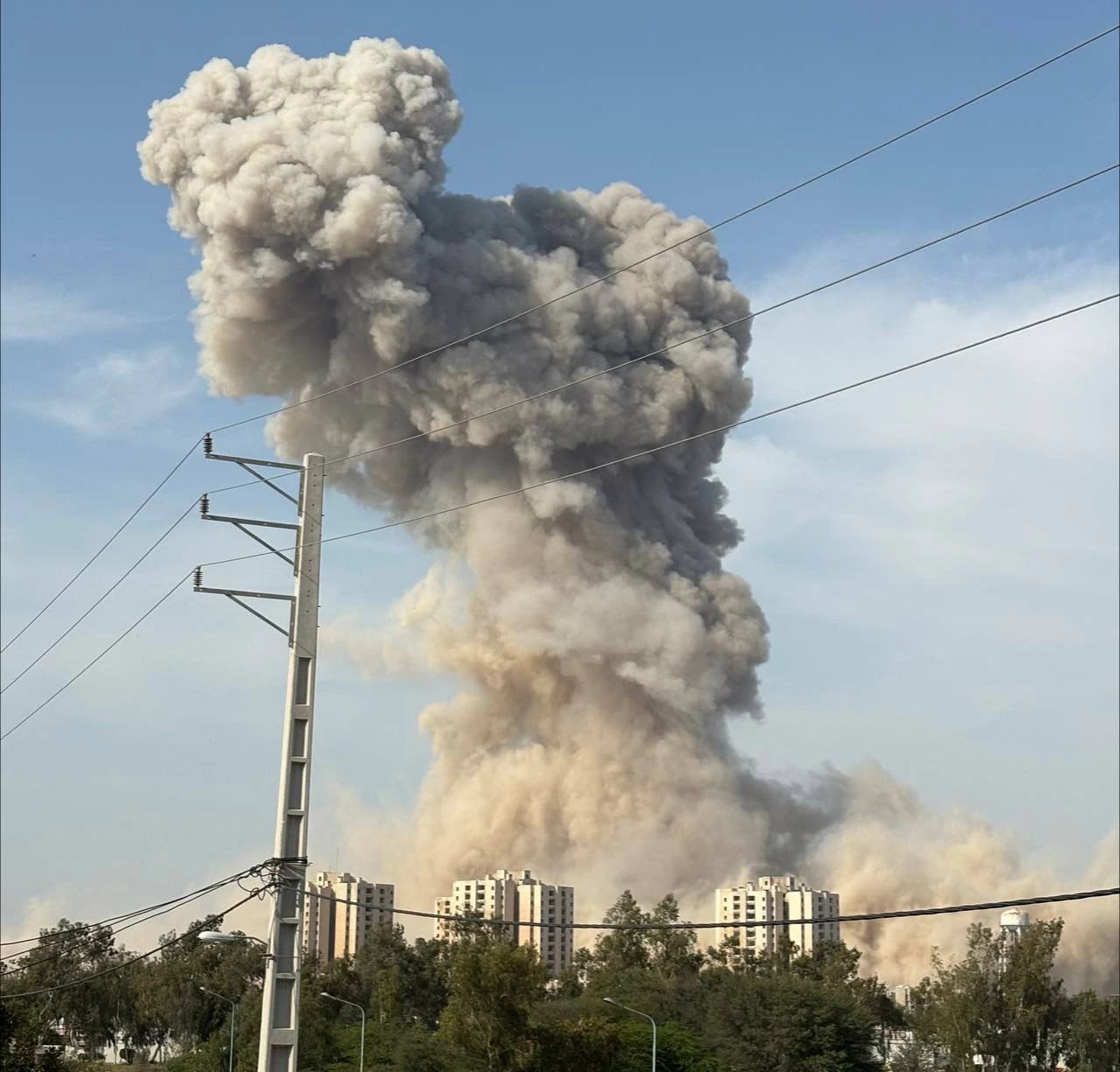
دخلت الحرب الأمريكية – الإسرائيلية مع إيران أسبوعها الثالث، متجاوزة بذلك فرضية «الضربة الخاطفة» لتتحول إلى زلزال جيوسياسي أعاد رسم خطوط التوتر في المنطقة.
لم يعد الحديث اليوم عن «قواعد اشتباك» جرى خرقها، بل عن صياغة واقع إقليمي جديد بالحديد والنار، حيث تتشابك طموحات تل أبيب العسكرية مع إستراتيجية واشنطن، في مواجهة إيران.
في خضم هذا التصاعد، تتداخل الرسائل المتضاربة مع الإنجازات العسكرية لتخلق حالة من الغموض السياسي والإستراتيجي غير المسبوقة. فمن ضربات دقيقة على أهداف عسكرية إيرانية إلى تحركات دبلوماسية معقدة على مستوى الإقليم والدول الكبرى، تبدو المعركة وكأنها مسرح يتقاطع فيه الانتصار الميداني مع الأهداف السياسية غير المعلنة.
مع مطلع الأسبوع الثاني، أخذت الحرب طابعاً شمولياً، هذا التصعيد أحدث ارتباكاً فورياً في شرايين الاقتصاد العالمي، حيث قفزت أسعار النفط والغاز إلى مستويات قياسية. الأسواق العالمية لا تخشى فقط من الصواريخ، بل من سلاح الجغرافيا. فمضيق هرمز الذي يمر عبره خُمس إمدادات النفط العالمي، بات اليوم منطقة عمليات عسكرية، مما يضع استقرار الطاقة العالمي على المحك ويجعل العالم أجمع شريكاً في كلفة الصراع.
تواجه طهران اليوم معضلة إستراتيجية غير مسبوقة؛ فمن جهة، تجد نفسها في مواجهة مباشرة مع قوة تكنولوجية وعسكرية هائلة، ومن جهة أخرى، تعاني من «برود» حلفائها التقليديين المنشغلين بمصالحهم الخاصة ومقايضاتهم مع الغرب.
هذا التخلي يقلص خيارات إيران الإستراتيجية. فالتصعيد المباشر محفوف بمخاطر وجودية، والدعم التقليدي لأذرعها لم يعد كافياً لتغيير موازين القوى في مواجهة ضربات تستهدف البنية التحتية والمنشآت الحساسة. لذا، تقف إيران أمام خيارين أحلاهما مر: إما الانكفاء التدريجي لتثبيت وضع دفاعي يحمي بنية النظام وما تبقى من قدرات، أو «الهروب إلى الأمام» عبر توسيع رقعة الصراع لجعله مكلفاً للجميع ومحاطاً بضبابية تمنع الخصوم من توقع الخطوة التالية.
بالنسبة لواشنطن، فإن إدارة هذه الحرب تشبه السير في حقل ألغام، وهنا يبرز تباين واضح في الرؤى والمصالح بين الإسرائيليين والأمريكيين. فإسرائيل ترى أن عنصر الوقت يصب في صالحها، وأن استمرار العمليات العسكرية وتوسيعها هو الفرصة التاريخية لتفكيك المشروع الإيراني بالكامل وتغيير وجه المنطقة لعقود قادمة. في المقابل، لدى واشنطن حسابات مختلفة وأكثر تعقيداً، فهي محكومة بضغوط اقتصادية داخلية خاصة أن ارتفاع أسعار الطاقة يمثل كابوساً سياسياً للبيت الأبيض أمام الناخب الأمريكي.
هذا التباين يمتد ليشمل «القنوات الخلفية»، فبينما تضغط إسرائيل للحسم العسكري الشامل، تحافظ واشنطن على استمرار الاتصالات مع طهران عبر وسطاء وقنوات استخباراتية سرية. هذه القنوات تهدف إلى منع الانزلاق إلى حرب إقليمية شاملة قد لا تستطيع القوات الأمريكية احتواء ذيولها، وهو ما يقلل من قدرة المحللين على التكهن بمآلات الحرب، إذ إن ما يتفق عليه خلف الكواليس قد ينسف كل التوقعات المبنية على التصعيد الميداني.
في ظل هذا التعقيد وتقاطع المصالح، يمكن استشراف خمسة مسارات محتملة للمرحلة القادمة:
«الجراحة المحدودة»:
أن تبقى العمليات العسكرية ضمن نطاق استهداف «القدرات النوعية» دون الانزلاق لغزو بري. يهدف هذا المسار لإضعاف إيران عسكرياً ثم الانتقال للمسار الدبلوماسي لفرض شروط سياسية قاسية تحت ضغط القوة، وهو السيناريو الذي تفضله واشنطن لتقليل الخسائر الاقتصادية.
تحول الحرب إلى ضربات متبادلة ومتقطعة، تشبه «حرب الناقلات» في الثمانينيات ولكن بأدوات القرن الـ٢١. هذا السيناريو سيخلق حالة دائمة من عدم الاستقرار في أمن الطاقة العالمي، ويحول المنطقة إلى «ساحة رمادية» تستنزف قدرات الجميع دون حسم واضح.
قد تنتهي المواجهة من دون نصر عسكري حاسم، عبر تسوية غير معلنة تُصاغ بعيداً عن الأضواء. في هذا المسار، تسمح الضربات المتبادلة لكل طرف بإثبات قدرته على الرد أمام جمهوره، قبل أن تتحرك قنوات الوساطة السرية لتثبيت تهدئة غير رسمية. النتيجة لا تكون اتفاقاً معلناً، بل عودة تدريجية إلى حالة اللاحرب واللاسلم، حيث تتوقف العمليات الكبرى من دون أن ينتهي الصراع فعلياً. وهو المسار الذي يتبناه الجناح الأكثر راديكالية، حيث يتم استخدام القوة العسكرية المكثفة لإعادة تشكيل موازين القوى داخل إيران وخارجها. هو رهان على أن الضغط العسكري سيؤدي حتماً إلى شل قدرة النظام الإيراني على المناورة وإجباره على تغيير سلوكه الإقليمي بشكل جذري وشامل. وهو السيناريو الأكثر سوداوية، حيث تنجرف أطراف إقليمية ودولية أخرى إلى مواجهة مباشرة. في هذا المسار، قد تتحول الحرب من صراع محلي إلى جزء من تصفية حسابات دولية كبرى بين الشرق والغرب، حيث تجد القوى الكبرى نفسها مضطرة للتدخل المباشر لحماية مصالحها الحيوية.
إن دخول الحرب أسبوعها الثالث يثبت أن الرهانات القديمة قد سقطت. نحن أمام صراع متعدد الأبعاد؛ عسكري في الميدان، اقتصادي في أسواق النفط، ووجودي في أروقة السياسة. إدارة هذه الأزمة تتطلب اليوم ما هو أكثر من «القوة»؛ تتطلب وضوحاً في الرؤية وقدرة على التراجع قبل الارتطام بالهاوية، لأن الخطأ في الحسابات اليوم لن تدفع ثمنه الأطراف المتحاربة فحسب، بل العالم أجمع.
The American-Israeli war with Iran has entered its third week, surpassing the assumption of a “quick strike” and transforming into a geopolitical earthquake that has redrawn the lines of tension in the region.
Today, the discussion is no longer about “rules of engagement” that have been violated, but about shaping a new regional reality through iron and fire, where Tel Aviv’s military ambitions intertwine with Washington’s strategy in confronting Iran.
Amidst this escalation, conflicting messages intertwine with military achievements to create an unprecedented state of political and strategic ambiguity. From precise strikes on Iranian military targets to complex diplomatic maneuvers at the regional and major powers level, the battle appears to be a stage where field victories intersect with unannounced political objectives.
At the beginning of the second week, the war took on a totalitarian character, causing immediate confusion in the veins of the global economy, as oil and gas prices soared to record levels. Global markets are not only fearful of missiles but also of the weapon of geography. The Strait of Hormuz, through which one-fifth of the world’s oil supplies pass, has now become a military operations zone, putting global energy stability at stake and making the entire world a partner in the cost of the conflict.
Today, Tehran faces an unprecedented strategic dilemma; on one hand, it finds itself in direct confrontation with a massive technological and military power, and on the other hand, it suffers from the “coldness” of its traditional allies who are preoccupied with their own interests and negotiations with the West.
This abandonment reduces Iran’s strategic options. Direct escalation is fraught with existential risks, and the traditional support for its proxies is no longer sufficient to change the balance of power in the face of strikes targeting infrastructure and sensitive facilities. Thus, Iran stands before two bitter choices: either a gradual retreat to establish a defensive position that protects the regime’s structure and what remains of its capabilities, or “running forward” by expanding the conflict to make it costly for everyone, surrounded by ambiguity that prevents adversaries from predicting the next move.
For Washington, managing this war is like walking through a minefield, and here a clear divergence in visions and interests emerges between the Israelis and the Americans. Israel believes that the element of time is on its side, and that the continuation and expansion of military operations is a historic opportunity to dismantle the Iranian project entirely and change the face of the region for decades to come. In contrast, Washington has different and more complex calculations, as it is governed by internal economic pressures, especially since rising energy prices represent a political nightmare for the White House in front of the American voter.
This divergence extends to include “back channels,” as while Israel pushes for a comprehensive military resolution, Washington maintains ongoing communications with Tehran through intermediaries and secret intelligence channels. These channels aim to prevent slipping into a comprehensive regional war that American forces may not be able to contain, which reduces analysts’ ability to predict the outcomes of the war, as what is agreed upon behind the scenes may undermine all expectations based on field escalation.
In light of this complexity and the intersection of interests, five potential paths for the upcoming phase can be anticipated:
“Limited Surgery”:
To keep military operations within the scope of targeting “qualitative capabilities” without slipping into a ground invasion. This path aims to weaken Iran militarily and then transition to the diplomatic track to impose harsh political conditions under the pressure of force, which is the scenario preferred by Washington to minimize economic losses.
The war could turn into intermittent mutual strikes, resembling the “Tanker War” of the 1980s but with 21st-century tools. This scenario will create a permanent state of instability in global energy security, turning the region into a “gray area” that drains everyone’s capabilities without a clear resolution.
The confrontation may end without a decisive military victory, through an unannounced settlement crafted away from the spotlight. In this path, mutual strikes allow each party to demonstrate its ability to respond to its audience, before secret mediation channels move to establish an unofficial ceasefire. The result would not be a publicly announced agreement, but a gradual return to a state of no war and no peace, where major operations cease without the conflict actually ending. This path is embraced by the more radical wing, where intensive military force is used to reshape the balance of power both within Iran and outside it. It is a bet that military pressure will inevitably paralyze the Iranian regime’s ability to maneuver and force it to radically and comprehensively change its regional behavior. This is the most pessimistic scenario, where other regional and international parties may drift into direct confrontation. In this path, the war could shift from a local conflict to part of a major international reckoning between East and West, where major powers find themselves compelled to intervene directly to protect their vital interests.
The entry of the war into its third week proves that old bets have fallen. We are facing a multidimensional conflict; military in the field, economic in oil markets, and existential in the corridors of politics. Managing this crisis today requires more than “force”; it requires clarity of vision and the ability to retreat before crashing into the abyss, because a miscalculation today will not only cost the warring parties but the entire world.
للمزيد من المقالات
اضغط هنا
التعليقات