
سفير سريلانكا: التمر السعودي يحمل لنا رمزية دينية وإنسانية خاصة – أخبار السعودية
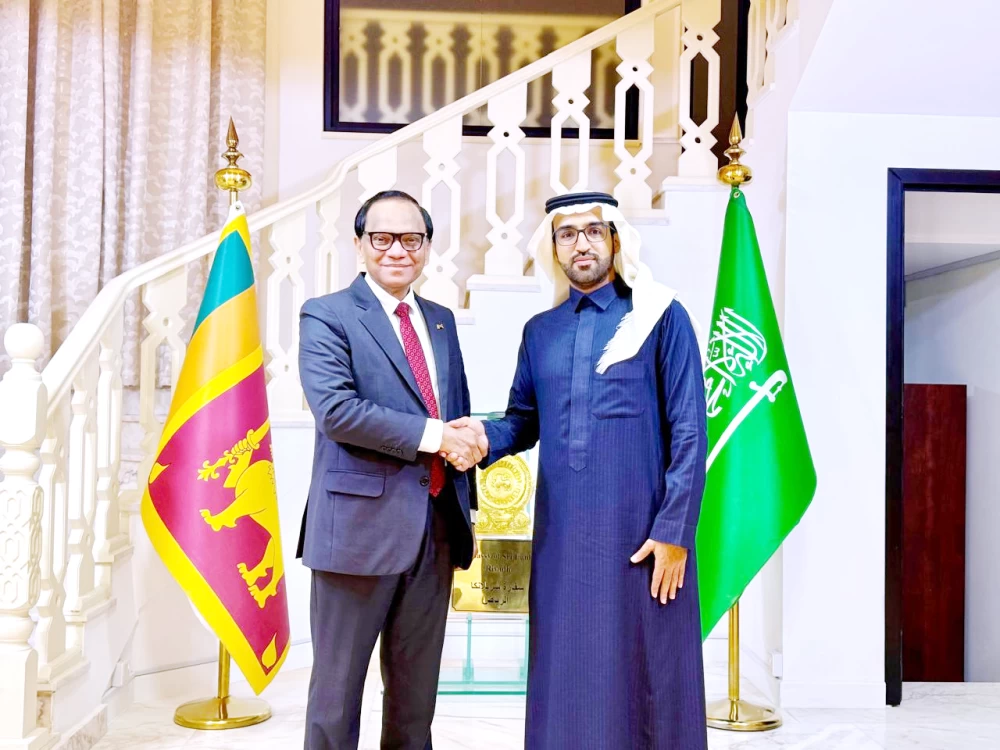
في شهر رمضان تتجدد في المجتمعات الإسلامية مظاهر الروحانية والتكافل والتراحم، وتتجلى القيم الإنسانية المشتركة، التي تعزز التقارب بين الشعوب والثقافات.
وفي سريلانكا، يحضر الشهر الفضيل بخصوصية اجتماعية وثقافية، في مجتمع متعدد الأديان والأعراق، اذ تعكس الممارسات الرمضانية للمسلمين نموذجاً للتعايش والتسامح والانسجام المجتمعي. وتفتح «عكاظ» نافذة حوارية إنسانية مع سفير جمهورية سريلانكا لدى المملكة عمر لبي أمير أجود، للحديث عن ملامح رمضان في بلاده، والعادات المرتبطة به، والذكريات الشخصية التي يحملها، ودور الشهر الكريم في تعزيز قيم التفاهم بين مكونات المجتمع، إلى جانب تجربته في عيش أجواء رمضان خارج الوطن.
طبق الكانجي
• كيف تصفون ملامح شهر رمضان في سريلانكا، وما أبرز العادات التي تميّز المجتمع المسلم هناك؟
•• يحمل رمضان في سريلانكا طابعاً مميزاً يجمع بين الروحانية العميقة والدفء الاجتماعي. وتمثل المساجد محور الحياة الرمضانية، فهي لا تقتصر على أداء الصلوات، بل تتحول إلى مراكز للتواصل والتكافل، حيث يُعدّ يومياً طبق «الكانجي» والتمر والمأكولات الخفيفة، ويوزَّع على سكان الأحياء قبل الإفطار، في مشهد يعكس التعاون المجتمعي والقيم الإنسانية المشتركة.
كما تتكثف خلال الشهر الأنشطة الدينية والتعليمية، مثل حلقات تعليم القرآن للشباب والأطفال، وموائد الإفطار الجماعي، وصلاة التراويح وقيام الليل، إلى جانب تبادل الزيارات العائلية وتوزيع الهدايا والمأكولات بين الأقارب والجيران، بما يعزز صلة الرحم وروح المحبة.
وبصورة عامة، يجسد رمضان في سريلانكا توازناً بين العبادة والعادات، والروحانية والاجتماعية، مع احتفاظه بخصوصية ثقافية تعكس قيم التعايش والتسامح في مجتمع متعدد الأديان.
التعايش والتسامح
• كيف يتفاعل المجتمع السريلانكي بمكوناته المختلفة مع أجواء رمضان، في ظل تنوعه الديني والعرقي؟
•• يتميز المجتمع السريلانكي بتنوعه الديني والثقافي، وهذا التنوع يمنح رمضان بُعداً مجتمعياً واسعاً.
فالمسلمون يمارسون شعائرهم ويعززون قيم التكافل من خلال الإفطار الجماعي وتوزيع الطعام وتعليم القرآن، في حين يُبدي المواطنون من الديانات الأخرى احتراماً وتقديراً لهذه الممارسات. كما تسهم المبادرات الخيرية الرمضانية في تعزيز روابط الجيرة والصداقة بين المسلمين وغير المسلمين، ويشارك بعضهم في أعمال الخير ودعم الأسر المحتاجة، لذلك لا يُعد رمضان مناسبة دينية للمسلمين فحسب، بل مناسبة مجتمعية تعزز التعايش وتكرس التسامح، وتبرز هوية وطنية متجانسة في ظل التنوع.
• ما الذكريات الأولى التي تستحضرونها من طفولتكم مع قدوم رمضان؟
•• تتجلى في ذاكرتي صور مليئة بالروحانية والدفء، أبرزها صوت الطبول التقليدية التي كان يقرعها شباب الأحياء قبل السحَر لتنبيه الناس، ورائحة «بخور الكانجي» المتصاعدة من المساجد، وتجمع الأهالي حول موائد الإفطار الجماعي قبل صلاة المغرب.
كما أتذكر ليالي رمضان التي تجمع بين حلقات تعليم القرآن والألعاب الشعبية للشباب، في مزيج جميل بين العبادة والترفيه. هذه المشاهد غرست فينا منذ الصغر قيم العطاء والتراحم والتعاون، وجعلت رمضان تجربة مجتمعية متكاملة لا تُنسى.
• كيف تعيشون أجواء رمضان وأنتم تؤدّون مهماتكم الدبلوماسية خارج الوطن؟
•• يحمل رمضان في الخارج طابعاً خاصاً يجمع بين الالتزامات الرسمية، والحرص على المحافظة على الطقوس الروحية، وفي البعثات الدبلوماسية نحرص على إقامة الصلوات وموائد الإفطار المشتركة، وتنظيم الأنشطة الدينية والثقافية لأبناء الجالية. وفي هذا الإطار، تنظم سفارة سريلانكا في المملكة مأدبة إفطار سنوية للجالية، يشارك فيها المسلمون وغير المسلمين، بما يجسد روح التعايش السريلانكي حتى خارج الوطن.
ومع ذلك، يبقى الحنين حاضراً، فأكثر ما أفتقده هو الأجواء الاجتماعية في سريلانكا، رائحة الكانجي، الطبول قبل السحَر، والألفة العميقة بين الجيران. وهي تفاصيل تمنح رمضان في الوطن خصوصية يصعب تعويضها.
جوز الهند والتمر
• ما أبرز الأطباق الرمضانية المرتبطة بالذاكرة السريلانكية؟
•• تُعد شوربة «الكانجي» الطبق الأبرز في الذاكرة الرمضانية، فهي تُعدّ في المساجد يومياً وتوزع على الصائمين قبل الإفطار، وكان انتظارها ورائحتها جزءاً أصيلاً من طفولتنا الرمضانية.
كما تحضر المأكولات الخفيفة والحلويات المصنوعة من جوز الهند والتمر، إضافة إلى السمبوسك، التي تتبادلها الأسر. ويحتل التمر السعودي مكانة خاصة في الإفطار السريلانكي، بوصفه رابطاً روحياً مع العالم الإسلامي.
هذه الأطعمة ليست مجرد مأكولات، بل جزء من تجربة رمضانية متكاملة تجمع العبادة والتكافل والفرح العائلي.
• هل تحرصون على برامج روحانية أو اجتماعية محددة خلال رمضان؟
•• على المستوى الشخصي، أحرص على الصلوات والتراويح وقراءة القرآن والذكر، ومتابعة حلقات التفسير والتعليم الديني أما على مستوى الجالية، فننظم موائد إفطار جماعية، ونوزع الأطعمة التقليدية، ونقيم برامج توعوية حول قيم التسامح والتكافل، ونشجع الشباب على الأنشطة الثقافية والقرآنية، وهذه المبادرات تعزز الروابط الاجتماعية وتحافظ على التراث الرمضاني السريلانكي في الخارج، وتنقل قيمه للأجيال الجديدة.
• ما العادات التي ما زالت تحافظ على حضورها القوي بين المسلمين في سريلانكا؟
•• لا تزال العديد من العادات متجذرة، أبرزها؛ الإفطار الجماعي في المساجد، صلة الرحم وتبادل الزيارات، توزيع الملابس والهدايا، حلقات تعليم القرآن، الأنشطة الشعبية في ليالي رمضان، المساجد المفتوحة طوال اليوموالحرص على الصدقة في الشهر الكريم.
وهي عادات تعزز التماسك الاجتماعي، وتحافظ على الهوية الروحية والثقافية للمجتمع المسلم.
• كيف يسهم رمضان في تعزيز التعايش بين الأديان في سريلانكا؟
•• يمثل رمضان فرصة عملية لتعزيز التفاهم بين مختلف المكونات الدينية. فمظاهر التكافل، مثل موائد الإفطار والمساعدات الإنسانية، يشارك فيها الجميع أو يقدّرها الجميع، مما يعكس القيم الإنسانية المشتركة.
كما يسهم تبادل الزيارات والمأكولات الرمضانية بين العائلات، أحياناً مع غير المسلمين، في بناء جسور الاحترام والتقدير المتبادل، ويجعل من التعددية مصدر قوة للتماسك الاجتماعي في سريلانكا.
• ما الرسالة التي تودّون توجيهها لقراء «عكاظ»؟
•• رمضان نموذج عالمي للقيم الإنسانية؛ فهو صيام وموسم للتراحم والتواصل وتجديد الروابط.
وفي سريلانكا، كما في سائر المجتمعات الإسلامية، يجسد الشهر الكريم معاني التكافل والتسامح والتعايش.
ورسالتي أن نستلهم من رمضان روح العطاء وصفاء القلوب، وأن تمتد هذه القيم إلى سائر أيام العام، ليصبح التراحم منهج حياة يعزز الأخوة الإنسانية في عالمنا المعاصر.
In the month of Ramadan, the Islamic communities experience a renewal of spirituality, solidarity, and compassion, showcasing shared human values that enhance closeness between peoples and cultures.
In Sri Lanka, the holy month arrives with a unique social and cultural significance in a multi-religious and multi-ethnic society, where the Ramadan practices of Muslims reflect a model of coexistence, tolerance, and community harmony. “Okaz” opens a human dialogue window with the Ambassador of the Democratic Socialist Republic of Sri Lanka to the Kingdom, Omar Labi Amir Ajwad, to discuss the features of Ramadan in his country, the customs associated with it, the personal memories he holds, and the role of the holy month in promoting values of understanding among the components of society, alongside his experience of living the atmosphere of Ramadan outside his homeland.
The Kangi Dish
• How would you describe the features of the month of Ramadan in Sri Lanka, and what are the most prominent customs that distinguish the Muslim community there?
•• Ramadan in Sri Lanka has a distinctive character that combines deep spirituality and social warmth. Mosques represent the hub of Ramadan life; they are not limited to performing prayers but transform into centers for communication and solidarity, where a dish of “Kangi,” dates, and light snacks are prepared daily and distributed to residents of neighborhoods before iftar, in a scene that reflects community cooperation and shared human values.
During the month, religious and educational activities intensify, such as Quran teaching circles for youth and children, communal iftar tables, Taraweeh prayers, and night prayers, alongside family visits and the distribution of gifts and food among relatives and neighbors, which enhances family ties and the spirit of love.
In general, Ramadan in Sri Lanka embodies a balance between worship and customs, spirituality and sociality, while retaining a cultural specificity that reflects the values of coexistence and tolerance in a multi-religious society.
Coexistence and Tolerance
• How does the Sri Lankan community, with its various components, interact with the atmosphere of Ramadan, given its religious and ethnic diversity?
•• The Sri Lankan community is characterized by its religious and cultural diversity, and this diversity gives Ramadan a broad social dimension.
Muslims practice their rituals and enhance values of solidarity through communal iftar and food distribution and Quran teaching, while citizens of other religions show respect and appreciation for these practices. Additionally, Ramadan charitable initiatives contribute to strengthening neighborhood and friendship ties between Muslims and non-Muslims, and some participate in charitable works and support needy families. Therefore, Ramadan is not just a religious occasion for Muslims but a community event that promotes coexistence and reinforces tolerance, highlighting a cohesive national identity amidst diversity.
• What are the earliest memories you recall from your childhood with the arrival of Ramadan?
•• My memory is filled with images of spirituality and warmth, most notably the sound of traditional drums that young people in the neighborhoods would beat before dawn to alert people, the scent of “Kangi incense” rising from the mosques, and the gathering of families around communal iftar tables before the Maghrib prayer.
I also remember the nights of Ramadan that combined Quran teaching circles and traditional games for youth, in a beautiful blend of worship and entertainment. These scenes instilled in us from a young age the values of giving, compassion, and cooperation, making Ramadan an unforgettable, comprehensive community experience.
• How do you experience the atmosphere of Ramadan while performing your diplomatic duties abroad?
•• Ramadan abroad has a special character that combines official commitments with a keen desire to maintain spiritual rituals. In diplomatic missions, we strive to hold prayers and communal iftar tables and organize religious and cultural activities for community members. In this context, the Sri Lankan Embassy in the Kingdom organizes an annual iftar banquet for the community, attended by both Muslims and non-Muslims, embodying the spirit of Sri Lankan coexistence even outside the homeland.
However, nostalgia remains present; what I miss most is the social atmosphere in Sri Lanka, the scent of Kangi, the drums before dawn, and the deep camaraderie among neighbors. These details give Ramadan in the homeland a uniqueness that is hard to replace.
Coconut and Dates
• What are the most notable Ramadan dishes associated with Sri Lankan memory?
•• “Kangi” soup is the most prominent dish in Ramadan memory; it is prepared daily in mosques and distributed to fasting individuals before iftar, and waiting for it and its aroma was an integral part of our Ramadan childhood.
Light foods and sweets made from coconut and dates, as well as samosas, are also prepared and exchanged among families. Saudi dates hold a special place in the Sri Lankan iftar, serving as a spiritual link with the Islamic world.
These foods are not just meals but part of a comprehensive Ramadan experience that combines worship, solidarity, and family joy.
• Do you focus on specific spiritual or social programs during Ramadan?
•• On a personal level, I focus on prayers, Taraweeh, reading the Quran, and remembrance, while at the community level, we organize communal iftar tables, distribute traditional foods, and hold awareness programs about the values of tolerance and solidarity, encouraging youth to engage in cultural and Quranic activities. These initiatives strengthen social bonds and preserve the Sri Lankan Ramadan heritage abroad, passing its values to new generations.
• What customs still maintain a strong presence among Muslims in Sri Lanka?
•• Many customs remain deeply rooted, most notably communal iftar in mosques, maintaining family ties and exchanging visits, distributing clothes and gifts, Quran teaching circles, popular activities during Ramadan nights, mosques open throughout the day, and a commitment to charity during the holy month.
These customs enhance social cohesion and preserve the spiritual and cultural identity of the Muslim community.
• How does Ramadan contribute to enhancing coexistence between religions in Sri Lanka?
•• Ramadan represents a practical opportunity to enhance understanding among various religious components. The manifestations of solidarity, such as iftar tables and humanitarian assistance, are participated in or appreciated by everyone, reflecting shared human values.
Moreover, the exchange of visits and Ramadan foods among families, sometimes with non-Muslims, helps build bridges of mutual respect and appreciation, making diversity a source of strength for social cohesion in Sri Lanka.
• What message would you like to convey to the readers of “Okaz”?
•• Ramadan is a global model of human values; it is fasting and a season for compassion, communication, and renewing bonds.
In Sri Lanka, as in other Islamic communities, the holy month embodies the meanings of solidarity, tolerance, and coexistence.
My message is to draw inspiration from Ramadan’s spirit of giving and purity of hearts, and for these values to extend to all days of the year, making compassion a way of life that enhances human brotherhood in our contemporary world.
للمزيد من المقالات
اضغط هنا
التعليقات