
خشية قرار ترمب بوقف الحرب.. إسرائيل تصعّد ضرباتها ضد إيران – أخبار السعودية
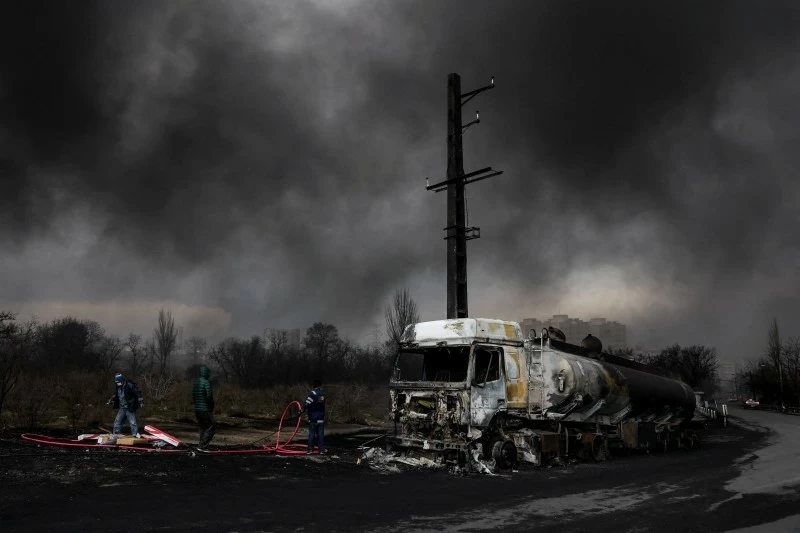
أفادت إحصاءات معهد دراسات الأمن القومي الإسرائيلي بتغير وتيرة الضربات على إيران، وانتقال مركز ثقل الهجمات من القوات الأمريكية إلى إسرائيل، التي شنت في الأيام الأخيرة العدد الأكبر من الهجمات، في ما يبدو أنه مؤشر على مخاوف في إسرائيل من وقف الرئيس دونالد ترمب العملية تحت وطأة ضغط الرأي العام الأمريكي.
خلال الأيام الـ5 الأولى
ونفّذت القوات الأمريكية خلال الأيام الـ5 الأولى من الحرب، أكثر من 3 أضعاف عدد الضربات مقارنة بإسرائيل، وخلال تلك الفترة، استهدفت نحو 2000 هدف في إيران، مقابل نحو 600 ضربة إسرائيلية، بحسب ما أوردت صحيفة «يديعوت أحرونوت».
وبعد مرور أسبوع على بدء الحرب، وإعلان إسرائيل والولايات المتحدة الانتقال إلى «المرحلة التالية» من العملية، تغير الاتجاه، ونفذت القوات الإسرائيلية نحو 3 أضعاف عدد الضربات الأمريكية، إذ ضربت نحو 2800 هدف مقارنة بنحو ألف ضربة أمريكية.
وهاجمت الولايات المتحدة نحو 3 آلاف هدف في إيران منذ بدء العملية، بينما نفذت إسرائيل نحو 3 آلاف و400 ضربة داخل إيران، إضافة إلى نحو 600 هدف في لبنان.
وحسب بيانات المعهد، فإنه بعد الانتقال إلى المرحلة الجديدة من الحملة، سرعت إسرائيل بشكل كبير وتيرة ضرباتها في إيران، بينما حافظت الولايات المتحدة على الوتيرة العملياتية نفسها التي حددتها في الأيام الأولى من الحرب.
تغيير في وتيرة الضربات
وأفادت مصادر إسرائيلية بأن أحد الأسباب المحتملة لعدم زيادة الولايات المتحدة بشكل كبير وتيرة الضربات قد تتعلق بإمدادات الذخيرة ومخزونات الصواريخ الاعتراضية.
وذكرت المصادر أنه من منظور إسرائيل، فإن التغير في وتيرة الضربات، قد يعكس قلقاً من إمكانية إيقاف ترمب العملية بسبب الرأي العام في الولايات المتحدة.
وأضاف تقرير المعهد أن المسؤولين الإسرائيليين «أدركوا في وقت مبكر أنه من المهم تعظيم المكاسب العملياتية بسرعة».
خلاف حول الأهداف
وكشف المعهد عن أول خلاف بين واشنطن وتل أبيب بشأن الأهداف في طهران، إذ قال مسؤولون أمريكيون إن الضربات الإسرائيلية التي استهدفت 30 مستودع وقود في إيران، تجاوزت بكثير ما كانت تتوقعه واشنطن، ما أدى إلى «أول خلاف كبير» بينهما، بحسب موقع «أكسيوس».
وأفاد الموقع بأن الولايات المتحدة تخشى أن تؤدي الضربات الإسرائيلية على بنية تحتية يستخدمها مدنيون في إيران إلى نتائج عكسية إستراتيجية، قد تدفع المجتمع الإيراني لدعم النظام ودفع أسعار النفط إلى الارتفاع.
ولفت مسؤولون أمريكيون وإسرائيليون إلى أن الجيش الإسرائيلي أبلغ نظيره الأمريكي مسبقاً بالضربات، لكن مسؤولاً أمريكياً أوضح أن «الجيش الأمريكي فوجئ بمدى اتساع نطاق الضربات»، مضيفاً: «لا نعتقد أنها كانت فكرة جيدة». وقال مسؤول إسرائيلي إن الرسالة الأمريكية إلى إسرائيل كانت «ما هذا؟».
Statistics from the Israeli National Security Studies Institute reported a change in the pace of strikes on Iran, with the center of gravity of the attacks shifting from American forces to Israel, which has launched the largest number of attacks in recent days, seemingly indicating concerns in Israel about President Donald Trump’s potential halt of the operation under the pressure of American public opinion.
During the First 5 Days
During the first 5 days of the war, American forces executed more than three times the number of strikes compared to Israel. During that period, they targeted around 2,000 sites in Iran, compared to about 600 Israeli strikes, according to the newspaper “Yedioth Ahronoth.”
After a week of the war’s onset and the announcement by Israel and the United States to move to the “next phase” of the operation, the trend changed, with Israeli forces carrying out nearly three times the number of American strikes, hitting around 2,800 targets compared to about 1,000 American strikes.
The United States attacked around 3,000 targets in Iran since the operation began, while Israel conducted about 3,400 strikes within Iran, in addition to around 600 targets in Lebanon.
According to the institute’s data, after transitioning to the new phase of the campaign, Israel significantly accelerated the pace of its strikes in Iran, while the United States maintained the same operational pace it had set in the early days of the war.
Change in the Pace of Strikes
Israeli sources reported that one possible reason for the United States not significantly increasing the pace of strikes could relate to ammunition supplies and stocks of interceptor missiles.
The sources indicated that from Israel’s perspective, the change in the pace of strikes may reflect concerns about the possibility of Trump halting the operation due to public opinion in the United States.
The institute’s report added that Israeli officials “realized early on that it was important to maximize operational gains quickly.”
Disagreement Over Targets
The institute revealed the first disagreement between Washington and Tel Aviv regarding targets in Tehran, as American officials stated that the Israeli strikes targeting 30 fuel depots in Iran far exceeded what Washington had anticipated, leading to “the first major disagreement” between them, according to Axios.
The site reported that the United States fears that Israeli strikes on infrastructure used by civilians in Iran could lead to strategic backlash, potentially driving Iranian society to support the regime and pushing oil prices up.
American and Israeli officials noted that the Israeli military had informed its American counterpart in advance about the strikes, but an American official clarified that “the U.S. military was surprised by the extent of the strikes,” adding, “We don’t think it was a good idea.” An Israeli official stated that the American message to Israel was, “What is this?”.
للمزيد من المقالات
اضغط هنا
التعليقات