
تحذير طبي: الشموع المعطرة تلوث هواء المنزل وترفع خطر الإصابة بالسرطان والخرف – أخبار السعودية
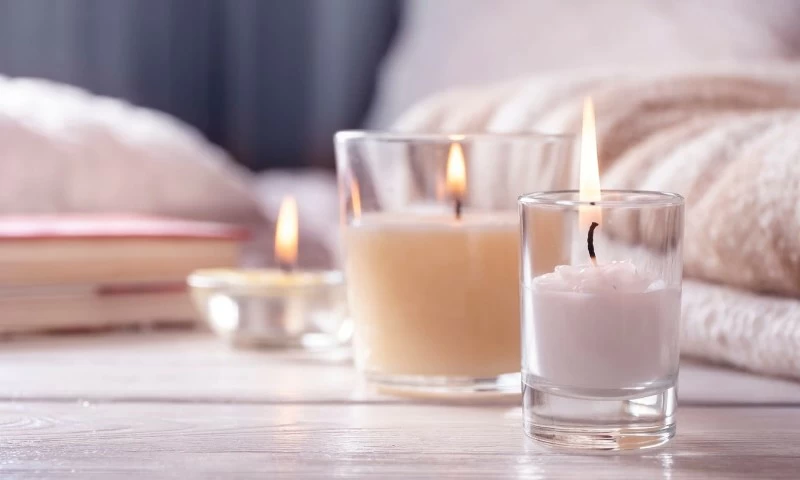
تشير أبحاث حديثة إلى أن دخان الشموع المشتعلة داخل المنازل، خصوصاً في الغرف ذات التهوية الضعيفة، يطلق مزيجاً من المواد الكيميائية المرتبطة بزيادة خطر الإصابة بالسرطان.
مخاطر الشموع المعطرة
ومع انتشار استخدام الشموع المعطرة على نطاق واسع، يثير الخبراء مخاوف جديدة بشأن تلوث الهواء الداخلي الناتج عن العطور الاصطناعية والشمع البارافيني.
يُعد البارافين (المعروف أحياناً باسم «الشمع المعدني») المادة الأساسية في معظم الشموع المنتجة تجارياً، وهو منتج ثانوي من تكرير البترول، مما يجعله رخيصاً وقادراً على حمل العطور والألوان بكفاءة، لكن عند احتراقه، يُطلق كميات صغيرة من المركبات العضوية المتطايرة (VOCs) مثل البنزين والتولوين والفورمالديهايد – مواد معروفة بتسببها في تهيج الجهاز التنفسي، وتصنف بعضها كمسرطنة عند التعرض المرتفع.
كما تُطلق الشموع المعطرة مواد مثل الفثالات التي تساعد في إطالة عمر الرائحة، والتي ترتبط في بعض الدراسات باضطرابات الهرمونات.
إضافة إلى ذلك، ينتج الاحتراق هيدروكربونات مثل الألكانات والألكينات، مشابهة لتلك الموجودة في عوادم السيارات.
وتُنتج شموع البارافين كميات أكبر من السخام مقارنة بالشموع النباتية (مثل شمع الصويا أو النحل)، خصوصاً إذا كانت الفتيلة طويلة أو الاحتراق غير منتظم، وتكون التأثيرات أشد في الأماكن سيئة التهوية، إذ تتراكم الملوثات بدلاً من الانتشار.
وفي مقال نشر أخيراً في موقع «The Conversation»، وصفت الباحثة كارين روزنكيلد لاورسن من جامعة آرهوس الدنماركية تجارب أجرتها في غرف تعريض محكومة، أظهرت أن الجسيمات الناتجة عن احتراق الشموع صغيرة جداً (نحو 7 – 8 نانومتر)، أصغر بكثير من تلك الناتجة عن الطبخ (نحو 80 نانومتر)، وهذا يجعلها قادرة على الاختراق العميق إلى الرئتين وحتى الدخول إلى مجرى الدم.
غازات ضارة
كما يحتوي دخان الشموع أيضاً على السخام والغازات الضارة مثل ثاني أكسيد النيتروجين والهيدروكربونات العطرية متعددة الحلقات، المرتبطة بالالتهابات ومخاطر السرطان. هذا السخام يترك علامات سوداء على الجدران والأسطح، ويُشبه في حجمه وتركيبه الجسيمات الدقيقة PM2.5 الناتجة عن عوادم السيارات وحرائق الغابات وحرق الوقود.
علامات الإصابة والأعراض
وتُظهر التجارب تغيرات بيولوجية مثل تهيج المسالك الهوائية، ارتفاع علامات الالتهاب، انخفاض وظائف الرئة، وتأثيرات قلبية وعائية، وتشمل الفئات الأكثر عرضة مرضى الربو، الأطفال، كبار السن، والمصابين بأمراض تنفسية مزمنة.
وترتبط الجسيمات الدقيقة PM2.5 بزيادة خطر الإصابة بمرض الزهايمر – أكثر أشكال الخرف شيوعاً.
وفي دراسة كبيرة أجرتها جامعة إيموري في جورجيا (نُشرت في فبراير 2026)، وجد الباحثون أن زيادة طفيفة في التعرض لـPM2.5 ترفع خطر الزهايمر بنحو 8.5 – 9%، مع تأثير أقوى (نحو 11%) لدى من أصيبوا سابقاً بسكتة دماغية.
ويُقدر أن هذا يترجم إلى عشرات الآلاف من الحالات الإضافية بين كبار السن.
وفي بريطانيا، يعيش حالياً نحو 900 ألف شخص مصاب بالخرف، ومن المتوقع أن يرتفع العدد إلى أكثر من 1.6 مليون بحلول 2040، إذ يُعد الخرف السبب الرئيسي للوفيات (أكثر من 74 ألف وفاة سنوياً).
نصائح الخبراء
وللحد من المخاطر، ينصح الخبراء بتقليل استخدام الشموع، قص الفتيلة بانتظام لتقليل السخام، تجنب الاحتراق في مسودات الهواء، عدم إشعال الشموع قرب الأشخاص ذوي المشكلات التنفسية، تهوية الغرفة جيداً بعد الاستخدام بفتح النوافذ.
ورغم أن الكميات المنبعثة غالباً ما تكون منخفضة ولا تشكل خطراً فورياً في الاستخدام العادي، إلا أن التعرض المزمن -خصوصاً في الشتاء مع النوافذ المغلقة- يستحق الحذر، وفقاً لأحدث الدراسات العلمية.
Recent research indicates that the smoke from burning candles inside homes, especially in poorly ventilated rooms, releases a mixture of chemicals associated with an increased risk of cancer.
Risks of Scented Candles
With the widespread use of scented candles, experts are raising new concerns about indoor air pollution caused by synthetic fragrances and paraffin wax.
Paraffin (sometimes known as “mineral wax”) is the primary material in most commercially produced candles, and it is a byproduct of petroleum refining, making it cheap and capable of carrying fragrances and colors efficiently. However, when burned, it releases small amounts of volatile organic compounds (VOCs) such as benzene, toluene, and formaldehyde – substances known to cause respiratory irritation, with some classified as carcinogenic at high exposure levels.
Scented candles also release substances like phthalates that help prolong the scent, which in some studies have been linked to hormonal disruptions.
Additionally, combustion produces hydrocarbons such as alkanes and alkenes, similar to those found in vehicle exhaust.
Paraffin candles produce larger amounts of soot compared to plant-based candles (like soy or beeswax), especially if the wick is long or the burn is uneven, and the effects are more severe in poorly ventilated areas, where pollutants accumulate instead of dispersing.
In a recent article published on “The Conversation,” researcher Karen Rosenkilde Lauritsen from Aarhus University in Denmark described experiments she conducted in controlled exposure rooms, showing that the particles produced from burning candles are very small (around 7 – 8 nanometers), much smaller than those produced from cooking (around 80 nanometers), making them capable of penetrating deep into the lungs and even entering the bloodstream.
Harmful Gases
The smoke from candles also contains soot and harmful gases such as nitrogen dioxide and polycyclic aromatic hydrocarbons, which are linked to inflammation and cancer risks. This soot leaves black marks on walls and surfaces, and is similar in size and composition to PM2.5 fine particles produced by vehicle exhaust, wildfires, and fuel burning.
Signs of Exposure and Symptoms
Experiments show biological changes such as airway irritation, elevated inflammation markers, decreased lung function, and cardiovascular effects, with the most vulnerable groups being asthma patients, children, the elderly, and those with chronic respiratory diseases.
PM2.5 fine particles are associated with an increased risk of Alzheimer’s disease – the most common form of dementia.
In a large study conducted by Emory University in Georgia (published in February 2026), researchers found that a slight increase in exposure to PM2.5 raises the risk of Alzheimer’s by about 8.5 – 9%, with a stronger effect (around 11%) in those who have previously suffered a stroke.
This is estimated to translate to tens of thousands of additional cases among the elderly.
In the UK, around 900,000 people currently live with dementia, and the number is expected to rise to over 1.6 million by 2040, as dementia is the leading cause of death (over 74,000 deaths annually).
Expert Tips
To reduce risks, experts recommend minimizing candle use, regularly trimming wicks to reduce soot, avoiding burning in drafts, not lighting candles near individuals with respiratory issues, and ventilating the room well after use by opening windows.
Although the amounts emitted are often low and do not pose an immediate danger during normal use, chronic exposure – especially in winter with closed windows – warrants caution, according to the latest scientific studies.
للمزيد من المقالات
اضغط هنا
التعليقات