
نجل خامنئي أم حفيد الخميني.. هل يحسم «التوريث» اختيار المرشد الإيراني الجديد؟ – أخبار السعودية
تُعدّ مسألة خلافة المرشد الأعلى في إيران واحدة من أكثر القضايا حساسية في بنية النظام السياسي، إذ تتداخل فيها النصوص الدستورية مع توازنات القوة داخل المؤسسة الدينية والأمنية. ورغم غياب أي إعلان رسمي عن مرشح بعينه، فإن الآلية القانونية واضحة، بينما تبقى الأسماء المتداولة انعكاساً لصراعٍ صامت بين منطق الاستمرارية ومنطق الرمزية الثورية.
الآلية الدستورية لاختيار المرشد
ينص دستور الجمهورية الإسلامية الإيرانية، في المادتين 107 و111، على أن اختيار المرشد الأعلى يتم عبر مجلس خبراء القيادة، وهو هيئة تتكوّن من 88 رجل دين شيعياً يُنتخبون شعبياً كل 8 سنوات، بعد أن يصادق مجلس صيانة الدستور على أهليتهم للترشح. ويملك مجلس الخبراء صلاحية تعيين المرشد، ومراقبة أدائه، وعزله إذا اقتضت الضرورة.
وفي حال شغور المنصب لأي سبب، تنص المادة 111 على تشكيل هيئة قيادية مؤقتة تتولى صلاحيات المرشد إلى حين اختيار خلفٍ له. وتتكون هذه الهيئة من: الرئيس الإيراني الحالي مسعود بزشكيان، رئيس السلطة القضائية غلام حسين محسني إجئي، عضو من مجلس صيانة الدستور يختاره مجمع تشخيص مصلحة النظام.
وهذه الهيئة لا تختار المرشد، بل تدير شؤون الدولة مؤقتاً إلى أن يحسم مجلس الخبراء قراره، بحسب دستور الجمهورية الإسلامية الإيرانية وفق النص الرسمي المنشور عبر بوابة البرلمان الإيراني.
مجتبى خامنئي: نفوذ داخل الظل
يُطرح اسم مجتبى خامنئي، نجل المرشد الحالي علي خامنئي، بوصفه أحد أبرز الأسماء المتداولة في التحليلات السياسية. يبلغ من العمر نحو 56 عاماً، وهو رجل دين درس في الحوزة العلمية بمدينة قم، ولم يشغل منصباً حكومياً رسمياً، لكنه يُعدّ من الشخصيات المؤثرة داخل مكتب والده، مع علاقات وثيقة بقيادات في الحرس الثوري وفق تقارير إعلامية متعددة.
في نوفمبر 2019، فرضت وزارة الخزانة الأمريكية عقوبات عليه، معتبرةً أنه يمثل المرشد «بصفة رسمية» رغم عدم انتخابه أو تعيينه في منصب حكومي.
كما صرّح عضو مجلس الخبراء محمود محمدي عراقي في فبراير 2024 بأن المرشد عارض تقييم أهلية أحد أبنائه لتولي المنصب تجنباً لشبهة التوريث، بحسب تصريحات نقلتها وسائل إعلام إيرانية محلية.
في المقابل، حذّر الزعيم الإصلاحي مير حسين موسوي في أغسطس 2023 من «مؤامرة توريث»، في تدوينة نشرها موقعه الرسمي، في إشارة إلى ما يتردد عن احتمال انتقال المنصب داخل عائلة المرشد.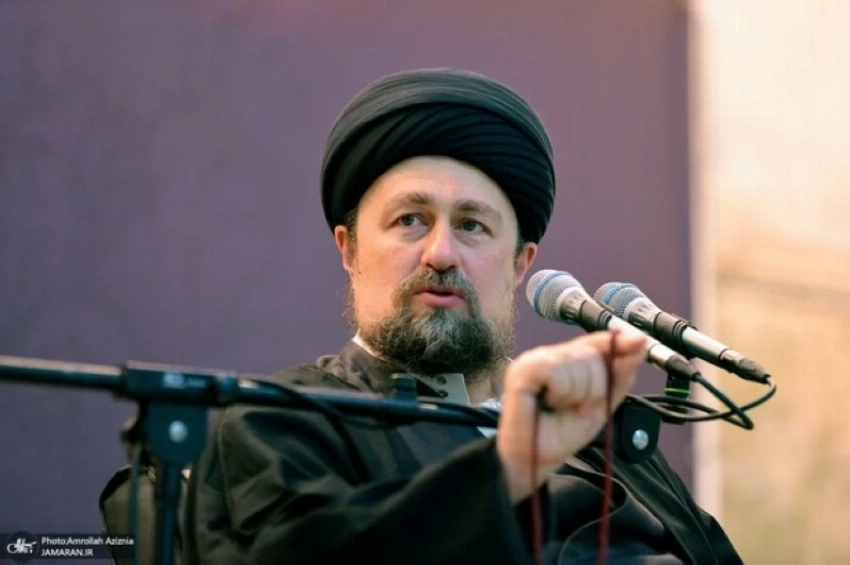
حسن الخميني بين شرعية النسب وإشكالية السياسة
على الجانب الآخر، يبرز اسم حسن الخميني، حفيد مؤسس الجمهورية روح الله الخميني، البالغ نحو 53 عاماً. يُنظر إليه منذ سنوات بوصفه قريباً من التيار الإصلاحي، ويحظى باحترام رمزي داخل المؤسسة الدينية لكونه حفيد قائد الثورة.
في عام 2016، استبعده مجلس صيانة الدستور من الترشح لعضوية مجلس الخبراء، بحسب وكالة الأنباء الإيرانية (إرنا) وتقارير صحفية 2016.
كما نُقل في 2021 أن المرشد نصحه بعدم خوض الانتخابات الرئاسية، وفق تقارير وكالة «إيسنا» آنذاك.
ويُنظر إليه داخل الأوساط الإصلاحية بوصفه مرشحاً مفضّلاً في حال أُتيح مسار توافقي، غير أن تركيبة مجلس الخبراء الحالية، التي يغلب عليها الطابع المحافظ، تجعل حظوظه مرتبطة بتوازنات دقيقة داخل المؤسسة الدينية.
أسماء أخرى في المشهد
إلى جانب هذين الاسمين، تبرز أسماء رجال دين آخرين، مثل علي رضا أعرافي، نائب رئيس مجلس خبراء القيادة، الذي يحمل لقب «آية الله»، ويتولى إدارة الحوزات العلمية في إيران، وفق بيانات رسمية للمجلس وتقارير صحفية إيرانية.
ويشير عدد من تقارير مراكز الأبحاث الدولية –مثل مجموعة الأزمات الدولية ومؤسسة كارنيغي– إلى أن مواقف الحرس الثوري، وتوازنات التيارات داخل مجلس الخبراء، والظرف الإقليمي والدولي، كلها عوامل حاسمة في القرار النهائي.
بين اسم يحمل ثقل النفوذ داخل الحلقة الضيقة، وآخر يحمل شرعية النسب الثوري، يبقى السؤال مفتوحاً: هل تميل المؤسسة إلى خيار يضمن استمرارية الخط السياسي والأمني القائم، أم إلى خيار يفتح الباب أمام إعادة تموضع سياسي؟
القرار، كما جرت العادة في النظام الإيراني، سيولد من داخل المؤسسات المغلقة، ثم يُقدَّم إلى الداخل والخارج بوصفه نتاجاً دستورياً مكتمل الأركان.
The issue of succession for the Supreme Leader in Iran is one of the most sensitive matters in the structure of the political system, as constitutional texts intertwine with power balances within the religious and security institutions. Despite the absence of any official announcement regarding a specific candidate, the legal mechanism is clear, while the names circulating reflect a silent struggle between the logic of continuity and the logic of revolutionary symbolism.
Hassan Khomeini
The Constitutional Mechanism for Selecting the Leader
The Constitution of the Islamic Republic of Iran, in Articles 107 and 111, states that the Supreme Leader is chosen by the Assembly of Experts, which consists of 88 Shiite clerics elected by the public every 8 years, after the Guardian Council approves their eligibility to run. The Assembly of Experts has the authority to appoint the leader, monitor his performance, and dismiss him if necessary.
If the position becomes vacant for any reason, Article 111 stipulates the formation of a temporary leadership body that assumes the powers of the leader until a successor is chosen. This body consists of: the current Iranian president, Masoud Bezhakian, the head of the judiciary, Gholam Hossein Mohseni Ejei, and a member of the Guardian Council chosen by the Expediency Discernment Council.
This body does not choose the leader but temporarily manages state affairs until the Assembly of Experts makes its decision, according to the Constitution of the Islamic Republic of Iran as stated in the official text published through the Iranian Parliament’s portal.
Mohsen Khamenei: Influence in the Shadows
The name Mohsen Khamenei, the son of the current leader Ali Khamenei, is mentioned as one of the most prominent names circulating in political analyses. He is around 56 years old and is a cleric who studied in the seminary in Qom. He has not held any official government position, but he is considered an influential figure within his father’s office, with close ties to leaders in the Revolutionary Guard according to various media reports.
In November 2019, the U.S. Treasury Department imposed sanctions on him, considering him to represent the leader “officially” despite not being elected or appointed to a government position.
Member of the Assembly of Experts Mahmoud Mohammadi Iraqi stated in February 2024 that the leader opposed evaluating the eligibility of one of his sons for the position to avoid the suspicion of hereditary succession, according to statements reported by local Iranian media.
In contrast, reformist leader Mir Hossein Mousavi warned in August 2023 of a “hereditary conspiracy” in a post on his official website, referring to rumors about the possibility of the position passing within the leader’s family.
Hassan Khomeini: Between Legitimacy of Descent and Political Dilemma
On the other hand, the name Hassan Khomeini, the grandson of the founder of the republic, Ruhollah Khomeini, stands out. He is about 53 years old and has been viewed for years as close to the reformist movement, enjoying symbolic respect within the religious institution as the grandson of the leader of the revolution.
In 2016, the Guardian Council excluded him from running for a seat in the Assembly of Experts, according to the Iranian news agency (IRNA) and press reports from 2016.
It was also reported in 2021 that the leader advised him not to run in the presidential elections, according to reports from the “ISNA” agency at that time.
He is viewed within reformist circles as a preferred candidate if a consensual path is available, but the current composition of the Assembly of Experts, which is predominantly conservative, makes his chances dependent on delicate balances within the religious institution.
Other Names in the Scene
Alongside these two names, other clerics emerge, such as Ali Reza A’arafi, the deputy head of the Assembly of Experts, who holds the title “Ayatollah” and manages the seminaries in Iran, according to official data from the council and Iranian press reports.
Several reports from international research centers—such as the International Crisis Group and the Carnegie Endowment—indicate that the positions of the Revolutionary Guard, the balance of factions within the Assembly of Experts, and the regional and international context are all decisive factors in the final decision.
Between a name that carries weight in influence within the inner circle and another that carries the legitimacy of revolutionary descent, the question remains open: does the institution lean towards a choice that ensures the continuity of the existing political and security line, or towards a choice that opens the door to political repositioning?
The decision, as is customary in the Iranian system, will emerge from within closed institutions and then be presented to both the internal and external audiences as a complete constitutional outcome.
للمزيد من المقالات
اضغط هنا
التعليقات