
سفير أوزبكستان: رمضان في السعودية يشعرني بأني في بلدي – أخبار السعودية
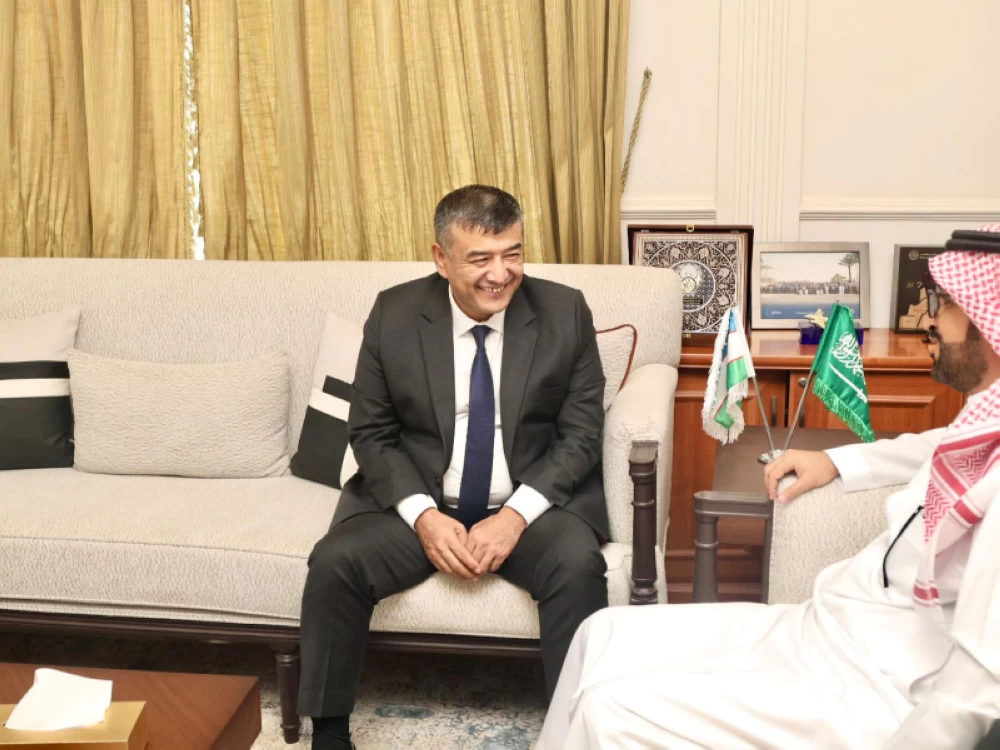
مع حلول شهر رمضان تتجدد في العالم الإسلامي معاني الإيمان والتكافل والتقارب بين الشعوب، وتكتسب الأجواء الروحانية بعداً إنسانياً وثقافياً يتجاوز الحدود الجغرافية.
«عكاظ» تفتح نافذة حوارية مع سفير جمهورية أوزبكستان لدى المملكة نادرجان تورغونوف، للحديث عن ملامح رمضان في بلاده، وأبرز العادات والتقاليد التي تميّز المجتمع الأوزبكي، والذكريات الشخصية المرتبطة بالشهر الكريم، إلى جانب دور القيم الرمضانية في تعزيز التقارب بين الشعوب والثقافات، وانعكاسها على العلاقات الثنائية بين أوزبكستان والمملكة.
حرية ممارسة الشعائر
• صف لنا أجواء شهر رمضان في أوزبكستان، وما أبرز العادات والتقاليد التي تميّز المجتمع الأوزبكي خلال هذا الشهر؟
•• يُعدّ شهر رمضان في أوزبكستان شهراً مقدساً ومُنتظراً بشوق، إذ تعم أجواء الرحمة والخير والنمو الروحي أرجاء البلاد. وهو وقت يتجسّد فيه التكافل الاجتماعي، ويتعزّز فيه الشعور بالأخوّة، ويحرص الناس على مساعدة بعضهم بعضاً.
وفي ظل القيادة الحكيمة لرئيس جمهورية أوزبكستان شوكت ميرضيائيف، تشهد بلادنا تحوّلات عميقة تشمل النمو الاقتصادي، وتحسّن مستوى المعيشة، وضمان الحرية الكاملة لممارسة الشعائر الدينية، ما يتيح للمسلمين أداء جميع شعائر رمضان علناً وبكرامة. وتسهم هذه الإصلاحات في ترسيخ الانسجام الاجتماعي وتطوير التقاليد الإسلامية في إطار معاصر.
يولي الأوزبك اهتماماً خاصاً بمساعدة المحتاجين والأيتام وكبار السن، اقتداءً بسنة النبي صلى الله عليه وسلم في الكرم والعطاء. كما تغيّر المطاعم جداول عملها، فتفتح أبوابها مبكراً للسحور وتقدّم أطباقاً خاصة للإفطار. وتجتمع العائلات والأصدقاء حول موائد مشتركة يتبادلون فيها الدفء والفرح.
وفي جميع مساجد أوزبكستان تُقام صلاة التراويح مساءً، إذ يتلو الحفّاظ القرآن الكريم كاملاً خلال 27 ليلة. وتبلغ الأجواء الروحية ذروتها في ليلة القدر، إذ يتضرّع المؤمنون طلباً للمغفرة والبركة.
وأضيف هنا، أنه في أوزبكستان، أرض ما وراء النهر، مهد كبار علماء الإسلام أمثال الإمام البخاري، تُنظَّم موائد إفطار خيرية.
كما تشهد الأسواق حركة نشطة استعداداً لعيد الفطر، إذ يشتري الناس الملابس الجديدة والحلويات والهدايا، فتسود أجواء الفرح والوحدة.
ولتنظيم شهر رمضان وعيد الفطر، تصدر في أوزبكستان مراسيم رئاسية خاصة، تهدف إلى تهيئة جميع الظروف اللازمة للمسلمين، بما في ذلك تأمين المساجد، وتنظيم موائد إفطار عامة، وتخصيص أيام عطلة إضافية لتمكين الناس من التفرغ للعبادة والتقاليد الأسرية.
وبذلك يحظى رمضان باهتمام مزدوج: من الشعب الذي يستقبله بإيمان وسمو روحي، ومن الدولة على المستوى السياسي، في تأكيد واضح على التزامها بمبادئ التسامح ودعم القيم الإسلامية في مجتمع متعدد القوميات.
أجبرونا على كسر الصيام
• ما الذكريات التي لا تزال حاضرة في وجدانكم من طفولتكم المرتبطة برمضان؟
•• تعيش ذكريات رمضان في طفولتي في أعماق قلبي. كان الشهر آنذاك مُنتظراً بشغف، لكن ظروف الحياة كانت أبسط، وكانت الحرية الدينية محدودة، ففي الحقبة السوفيتية روّجت السلطات للإلحاد وسعت إلى محو الإسلام من آسيا الوسطى، المنطقة التي عرفها العرب باسم ما وراء النهر.
وكانت موائد الإفطار والسحور متواضعة، تتكون من خبز، فواكه مجففة، بلاف (أرز)، أو سمسا، ولم تكن هناك أطعمة فاخرة أو كثرة حلويات، فالغذاء الروحي كان الأهم، وفي المدارس كانوا يُجبروننا أحياناً على شرب الماء أو الأكل لكسر الصيام.
ومع ذلك، تمسّك شعبنا بالصيام، وأقام صلاة التراويح، وحافظ على التقاليد الإسلامية، مستمداً قوته من إرث الأجداد، وبعد الاستقلال عام 1991 تغيّر كل شيء، واليوم، وبفضل إصلاحات الرئيس شوكت ميرضيائيف، نحتفل برمضان بحرية تامة، مع وفرة الطعام وإقامة الصلوات علناً، وأصبحت الديانة جزءاً لا يتجزأ من الهوية الوطنية، كما أذكر أننا كنا، نحن الأطفال، ننتظر المساء لنركض إلى المسجد لصلاة التراويح، ثم نتبادل القصص تحت ضوء القمر، كانت مغامرة إيمانية حقيقية، تُلهم اليوم بتعزيز الروابط بين الأجيال، في إطار سياسة الدولة للحفاظ على التقاليد.
«البلاف» الأقرب إلى قلبي
• هل يثير الشهر الفضيل لديكم شعوراً خاصاً بالحنين إلى وطنكم ومسقط رأسكم، وكيف تعيشون هذه المشاعر وأنتم تؤدّون مهماتكم خارج بلدكم؟
•• بلا شك، يوقظ رمضان في نفسي حنيناً عميقاً إلى أوزبكستان ديار الطفولة. أستحضر أمسيات العائلة تحت النجوم، وصوت الأذان من المآذن، وفرحة الإفطار مع الأهل.
وأثناء عملي سفيراً في المملكة العربية السعودية، بلد الحرمين الشريفين، أشعر وكأنني في وطني؛ فالتقاليد هنا من كرم وتواضع وعبادة قريبة جداً من تقاليدنا، ويمنحني هذا الحنين دافعاً إضافياً في عملي الدبلوماسي، إذ أستثمره في تعزيز الصداقة بين أوزبكستان والمملكة العربية السعودية. وتشهد العلاقات الثنائية اليوم تطوراً ديناميكياً، مع نمو الاستثمارات، والتبادل الثقافي، والتعاون في المجال الديني، ما يجعل روابطنا أكثر متانة وأينما كنت، يذكّرني رمضان بأننا أمة واحدة، ويحوّل الشوق إلى دافع للأعمال الصالحة.
• ما أبرز الأطباق الرمضانية التي تشتهر بها أوزبكستان، وما الطبق الأقرب إلى ذاكرتكم الشخصية؟
•• تمثّل موائد رمضان في أوزبكستان انعكاساً لغنى مطبخنا الوطني. فالنساء في العائلات — الزوجات والأمهات والأخوات — يحرصن على الطهي بحب، رغم أن كثيرين اليوم يطلبون الطعام أو يتناولونه في المطاعم. ومع ذلك، تبقى التقاليد حاضرة، إذ تقدّم المطاعم قوائم خاصة بأطباق وطنية.
نبدأ الإفطار على السنة بالتمر أو الماء، ثم نتناول السمسا والحساء مثل الشوربا أو اللاغمان وغيرها من مئات الوصفات الأوزبكية، ومن الأطباق الخاصة برمضان طبق «نيشالدا» حلوى كثيفة تشبه المربى الأبيض لكنها أكثر تماسكاً، وهو الطبق الوحيد الذي يُحضَّر حصرياً في رمضان، من بياض البيض والسكر وأعشاب عطرية، ويرمز إلى النقاء والحلاوة الروحية للشهر، أما الأقرب إلى قلبي فهو «البلاف» (الأرز)، بأريجه المميّز من الأرز واللحم والجزر والبصل والتوابل، يُقدَّم في طبق كبير يجمع العائلة وكان عطره بعد يوم الصيام في طفولتي مصدر طمأنينة حقيقية.
يضيف البركة في حياتي
• كيف يبدو جدولكم اليومي خلال شهر رمضان، في ظل مسؤولياتكم الدبلوماسية؟
•• يضيف رمضان البركة إلى حياتي وعملي. أستيقظ مبكراً للسحور وصلاة الفجر، ثم أتوجه إلى السفارة وأعمل دون استراحة لإنهاء المهمات مبكراً استعداداً للإفطار، لكن العمل الدبلوماسي لا يتوقف، فهناك زيارات ولقاءات ومفاوضات، ويظن البعض أن وتيرة العمل الدبلوماسي تتباطأ في رمضان، لكن العكس هو الصحيح؛ فالتعاون بين الدول يستمر، والقوة الروحية للشهر تزيد الإنتاج، وفي المملكة، بصفتها حاضنة مكة والمدينة، يتوافد الكثير من المعتمرين، ما يزيد من العمل القنصلي لمساعدة مواطنينا، وبدل المناسبات المعتادة ننظم موائد إفطار تعزّز العلاقات، وهكذا يجعلنا الشهر أكثر عطاء وفاعلية.
• ما الذي تحرصون على متابعته أو ممارسته خلال هذا الشهر على المستوى الشخصي أو الثقافي؟
•• رمضان شهر تجديد للروح والتقاليد؛ لذا أوازن بين الجانبين، وعلى الصعيد الشخصي أحرص على الإكثار من الأعمال الصالحة، وعلى الصعيد الثقافي أعتز بالعادات الأوزبكية، ولا سيما الإفطارات العائلية. وفي السفارة، أنظم موائد إفطار للموظفين والضيوف، أمزج فيها بين التقاليد الأوزبكية والسعودية لنشر قيم الرحمة والوحدة. كما أضع في الأولوية التسامح وصلة الرحم عبر التواصل مع الأهل، ما يمنح الشهر انسجاماً خاصاً.
منارة انسجام للإنسانية
• من واقع تجربتكم، كيف يسهم شهر رمضان في تعزيز التقارب والتفاهم بين الشعوب والثقافات المختلفة؟
•• رمضان شهر الوحدة والتواضع، هبة من الله تقرّب بين الناس والثقافات. فهو يعلّم الخضوع لله والإحسان إلى الجميع، ويذيب الحواجز، وعلى موائد الإفطار يجلس الغرباء كالأصدقاء، يتقاسمون الطعام والحديث، وهذا تجسيد لوحدة الأمة وتُؤدَّى أعمال الإحسان دون مقابل؛ تُعطي دون أن تعرف لمن، والمحتاج يدعو لك، والله وحده يعلم، وفي أوزبكستان كما في السعودية تقدّم المطاعم الإفطار بأسعار ميسّرة، ليشارك الجميع في الخير، بغض النظر عن الخلفية، ويمتد هذا الأثر إلى العالم أجمع، إذ يوحّد الصيام المسلمين في طقوس واحدة، ويقدّم الإسلام دين سلام وكرم، وفي الدبلوماسية يسهّل رمضان الحوار؛ ففي إفطارات الدول المختلفة نناقش القيم المشتركة ونتجاوز الخلافات، وهكذا يصبح الشهر منارة انسجام للإنسانية، وفي إطار العلاقات الأوزبكية السعودية، يسهم في توسيع الشراكة، بما في ذلك مشاريع مشتركة في التعليم والسياحة.
أدعو أصدقائي للزيارة
• هل هناك موقف أو تجربة رمضانية إنسانية ما زالت عالقة في ذاكرتكم حتى اليوم؟
•• نعم، هناك تجربة عزيزة على قلبي. عندما كنت في السابعة من عمري، عام 1982، شاركت لأول مرة في صلاة عيد الفطر بعد رمضان، كان ذلك في الصيف، وفي ظل القيود الشديدة على الحرية الدينية آنذاك، فكان الحدث عيداً حقيقياً للروح، واجتمعنا مع العائلة والجيران، صلّينا، ثم احتفلنا، وكان الكبار يعطوننا نحن الأطفال نقوداً لشراء ما نشاء من حلوى أو ألعاب، فلحظة الفرح والوحدة بعد شهر الصيام والتحديات انطبعت في الذاكرة إلى الأبد.
ومنذ ذلك الحين، صرت أنتظر رمضان والعيد بشغف كبير، أراهما رمزاً للتطهير الروحي والأمل في مستقبل أفضل.
واليوم، في أوزبكستان المستقلة بقيادة الرئيس شوكت ميرضيائيف، تُحتفل هذه المناسبات علناً وبحفاوة، ما يعزّز الشعور بالامتنان للحرية والتقدم، وأوزبكستان مكان مثالي لقضاء رمضان، إذ تتناغم التقاليد العريقة مع الراحة الحديثة، من مساجد سمرقند وبخارى الشامخة، إلى كرم الضيافة وتنوّع المطبخ الوطني.
وأدعو أصدقاءنا وإخوتنا في المملكة العربية السعودية لزيارة بلادنا في هذا الشهر المبارك؛ لنعيش معاً روح وحدة الأمة، ونعزّز الروابط الثقافية، ونفتح آفاقاً جديدة لمشاريع مشتركة في السياحة والحج والعمرة.
With the arrival of the month of Ramadan, the meanings of faith, solidarity, and closeness among peoples are renewed in the Islamic world, and the spiritual atmosphere acquires a human and cultural dimension that transcends geographical borders.
“Okaz” opens a dialogue window with the Ambassador of the Republic of Uzbekistan to the Kingdom, Nadirjan Turgunov, to discuss the features of Ramadan in his country, the most prominent customs and traditions that distinguish Uzbek society, and the personal memories associated with the holy month, in addition to the role of Ramadan values in enhancing closeness between peoples and cultures, and their reflection on the bilateral relations between Uzbekistan and the Kingdom.
Freedom to Practice Rituals
• Describe to us the atmosphere of the month of Ramadan in Uzbekistan, and what are the most prominent customs and traditions that characterize Uzbek society during this month?
•• The month of Ramadan in Uzbekistan is considered a sacred and eagerly awaited month, as the atmosphere of mercy, goodness, and spiritual growth fills the country. It is a time when social solidarity is manifested, the feeling of brotherhood is strengthened, and people are keen to help one another.
Under the wise leadership of the President of the Republic of Uzbekistan, Shavkat Mirziyoyev, our country is witnessing profound transformations, including economic growth, improvement in living standards, and the guarantee of full freedom to practice religious rituals, allowing Muslims to perform all Ramadan rituals publicly and with dignity. These reforms contribute to consolidating social harmony and developing Islamic traditions within a contemporary framework.
Uzbeks pay special attention to helping the needy, orphans, and the elderly, following the Sunnah of the Prophet Muhammad (peace be upon him) in generosity and giving. Restaurants adjust their working hours, opening their doors early for Suhoor and offering special dishes for Iftar. Families and friends gather around shared tables, exchanging warmth and joy.
In all mosques in Uzbekistan, Taraweeh prayers are held in the evening, where the Quran is recited in full over 27 nights. The spiritual atmosphere reaches its peak on the Night of Decree (Laylat al-Qadr), when believers supplicate for forgiveness and blessings.
Additionally, in Uzbekistan, the land beyond the river, the cradle of great Islamic scholars such as Imam Bukhari, charitable Iftar tables are organized.
Markets witness active movement in preparation for Eid al-Fitr, as people buy new clothes, sweets, and gifts, creating an atmosphere of joy and unity.
To organize the month of Ramadan and Eid al-Fitr, special presidential decrees are issued in Uzbekistan, aimed at creating all necessary conditions for Muslims, including securing mosques, organizing public Iftar tables, and allocating additional holidays to enable people to dedicate time to worship and family traditions.
Thus, Ramadan receives dual attention: from the people who welcome it with faith and spiritual elevation, and from the state at the political level, in a clear affirmation of its commitment to the principles of tolerance and support for Islamic values in a multi-ethnic society.
They Forced Us to Break the Fast
• What memories from your childhood related to Ramadan still resonate with you?
•• The memories of Ramadan in my childhood live deep in my heart. The month was then eagerly awaited, but the circumstances of life were simpler, and religious freedom was limited. During the Soviet era, the authorities promoted atheism and sought to erase Islam from Central Asia, a region known to Arabs as Transoxiana.
The Iftar and Suhoor tables were modest, consisting of bread, dried fruits, plov (rice), or samsa, and there were no luxurious foods or an abundance of sweets; spiritual nourishment was the most important. In schools, we were sometimes forced to drink water or eat to break the fast.
Nevertheless, our people clung to fasting, held Taraweeh prayers, and preserved Islamic traditions, drawing strength from the heritage of our ancestors. After independence in 1991, everything changed, and today, thanks to the reforms of President Shavkat Mirziyoyev, we celebrate Ramadan with complete freedom, with an abundance of food and public prayers. Religion has become an integral part of national identity. I remember that we, as children, would wait for the evening to run to the mosque for Taraweeh prayers, then exchange stories under the moonlight. It was a true spiritual adventure that today inspires the strengthening of bonds between generations, within the framework of the state policy to preserve traditions.
“Plov” is Closest to My Heart
• Does the holy month evoke a special feeling of nostalgia for your homeland and birthplace, and how do you experience these feelings while carrying out your duties outside your country?
•• Undoubtedly, Ramadan awakens a deep nostalgia in me for Uzbekistan, the land of my childhood. I recall family evenings under the stars, the sound of the call to prayer from the minarets, and the joy of Iftar with family.
While working as an ambassador in the Kingdom of Saudi Arabia, the land of the Two Holy Mosques, I feel as if I am in my homeland; the traditions here of generosity, humility, and worship are very close to our customs. This nostalgia gives me an additional motivation in my diplomatic work, as I invest it in strengthening friendship between Uzbekistan and the Kingdom of Saudi Arabia. Today, bilateral relations are experiencing dynamic development, with growing investments, cultural exchange, and cooperation in the religious field, which makes our ties stronger. Wherever I am, Ramadan reminds me that we are one nation, turning longing into a motivation for good deeds.
• What are the most prominent Ramadan dishes that Uzbekistan is famous for, and which dish is closest to your personal memory?
•• The Ramadan tables in Uzbekistan reflect the richness of our national cuisine. Women in families—wives, mothers, and sisters—are keen to cook with love, even though many today order food or eat in restaurants. Nevertheless, traditions remain present, as restaurants offer special menus of national dishes.
We begin Iftar traditionally with dates or water, then we have samsa and soups like shurpa or lagman, among hundreds of Uzbek recipes. One of the special dishes for Ramadan is “Nishalda,” a thick sweet similar to white jam but more cohesive, which is the only dish prepared exclusively during Ramadan, made from egg whites, sugar, and aromatic herbs, symbolizing the purity and spiritual sweetness of the month. However, the dish closest to my heart is “plov” (rice), with its distinctive aroma of rice, meat, carrots, onions, and spices, served in a large dish that brings the family together. Its scent after a day of fasting in my childhood was a true source of reassurance.
Adds Blessing to My Life
• What does your daily schedule look like during the month of Ramadan, given your diplomatic responsibilities?
•• Ramadan adds blessings to my life and work. I wake up early for Suhoor and the Fajr prayer, then head to the embassy and work without a break to finish tasks early in preparation for Iftar. However, diplomatic work does not stop; there are visits, meetings, and negotiations. Some may think that the pace of diplomatic work slows down during Ramadan, but the opposite is true; cooperation between countries continues, and the spiritual strength of the month increases productivity. In the Kingdom, as the host of Mecca and Medina, many pilgrims come, increasing consular work to assist our citizens. Instead of the usual events, we organize Iftar tables that strengthen relations, making the month one of increased giving and effectiveness.
• What do you make sure to follow or practice during this month on a personal or cultural level?
•• Ramadan is a month of renewal for the spirit and traditions; therefore, I balance between both aspects. On a personal level, I strive to increase good deeds, and on a cultural level, I cherish Uzbek customs, especially family Iftars. At the embassy, I organize Iftar tables for employees and guests, blending Uzbek and Saudi traditions to promote values of mercy and unity. I also prioritize tolerance and family ties by communicating with relatives, which gives the month a special harmony.
A Beacon of Harmony for Humanity
• From your experience, how does the month of Ramadan contribute to enhancing closeness and understanding between different peoples and cultures?
•• Ramadan is a month of unity and humility, a gift from God that brings people and cultures closer together. It teaches submission to God and kindness to all, breaking down barriers. At Iftar tables, strangers sit as friends, sharing food and conversation, embodying the unity of the nation, and acts of kindness are performed without expectation of return; you give without knowing to whom, and the needy pray for you, and only God knows. In Uzbekistan, as in Saudi Arabia, restaurants offer Iftar at affordable prices, allowing everyone to participate in goodness, regardless of background. This effect extends to the entire world, as fasting unites Muslims in a single ritual, presenting Islam as a religion of peace and generosity. In diplomacy, Ramadan facilitates dialogue; at Iftars of different countries, we discuss common values and transcend differences, making the month a beacon of harmony for humanity. In the context of Uzbek-Saudi relations, it contributes to expanding partnerships, including joint projects in education and tourism.
I Invite My Friends to Visit
• Is there a humanitarian Ramadan experience or moment that still lingers in your memory today?
•• Yes, there is a cherished experience in my heart. When I was seven years old, in 1982, I participated for the first time in the Eid al-Fitr prayer after Ramadan. It was summer, and under the strict restrictions on religious freedom at that time, the event was a true feast for the spirit. We gathered with family and neighbors, prayed, and then celebrated, with the elders giving us children money to buy whatever we wanted from sweets or toys. The moment of joy and unity after a month of fasting and challenges has been etched in my memory forever.
Since then, I have eagerly awaited Ramadan and Eid, seeing them as symbols of spiritual purification and hope for a better future.
Today, in independent Uzbekistan under the leadership of President Shavkat Mirziyoyev, these occasions are celebrated publicly and warmly, enhancing the feeling of gratitude for freedom and progress. Uzbekistan is an ideal place to spend Ramadan, where ancient traditions harmonize with modern comforts, from the majestic mosques of Samarkand and Bukhara to the hospitality and diversity of the national cuisine.
I invite our friends and brothers in the Kingdom of Saudi Arabia to visit our country during this blessed month; to live together the spirit of national unity, strengthen cultural ties, and open new horizons for joint projects in tourism, Hajj, and Umrah.
للمزيد من المقالات
اضغط هنا
التعليقات