
فايروس «نيباه» القاتل يقلق الهند ويعيد شبح الأوبئة – أخبار السعودية
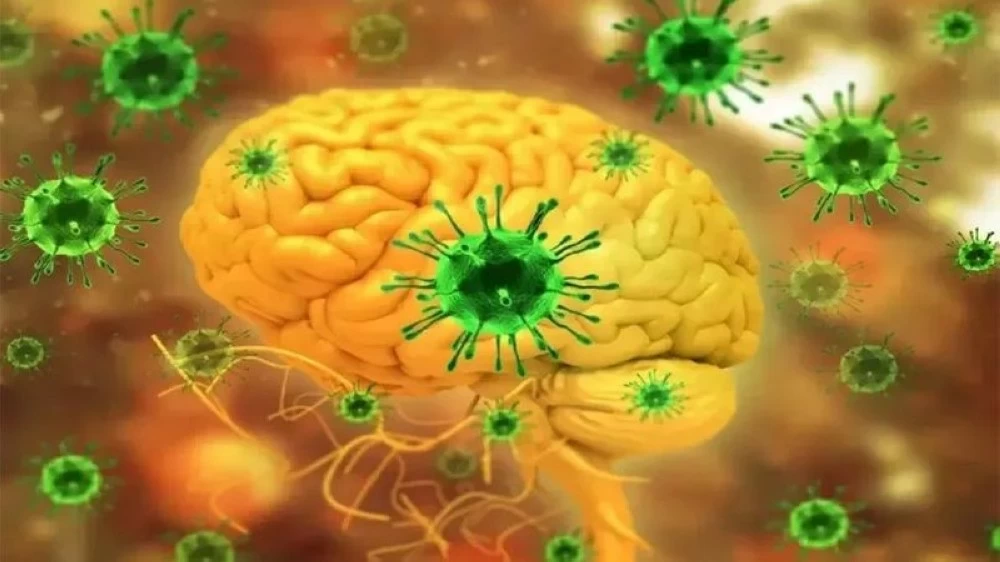
تفشى فايروس نيباه شديد الخطورة مجدداً في الهند، بعدما أكدت السلطات الصحية تسجيل 5 حالات إصابة في ولاية البنغال الغربية الشرقية، من بينهم أطباء وممرضون، ما أثار مخاوف صحية واسعة ودفع الجهات المختصة إلى رفع مستوى الاستعداد.
3 إصابات جديدة
وكشفت السلطات عن تسجيل ثلاث إصابات جديدة خلال الأيام الماضية، إضافة إلى حالتين سابقتين لممرضين يعملان في مستشفى خاص بمدينة باراسات قرب كولكاتا، بحسب صحيفة إندبندنت البريطانية.
كما فُرض الحجر الصحي المنزلي على نحو 100 شخص من المخالطين، فيما يتلقى المصابون العلاج في مستشفيات العاصمة، مع تسجيل حالة واحدة حرجة.
ما هو فايروس نيباه؟
تصنّف منظمة الصحة العالمية فايروس نيباه ضمن العوامل الممرِضة عالية الخطورة. ورغم أن العدوى البشرية به نادرة، إلا أنه غالباً ما ينتقل من خفافيش الفاكهة إلى الإنسان، ما يجعله فايروساً حيواني المنشأ شديد الخطورة.
الأعراض.. من الإنفلونزا إلى إصابة الدماغ
تبدأ الإصابة عادةً بأعراض شبيهة بالإنفلونزا، تشمل؛
• الحمى والصداع.
• آلام العضلات والإرهاق.
• الأعراض التنفسية مثل السعال أو ضيق التنفس.
لكن الخطر الأكبر يكمن في التهاب الدماغ، إذ قد تظهر أعراض عصبية خطيرة مثل؛
• اضطراب الوعي.
• التشنجات.
• الغيبوبة.
وفي بعض الحالات، يُصاب المرضى أيضاً بالتهاب السحايا.
نسب وفيات مرتفعة ومضاعفات طويلة الأمد
يتسبب فايروس نيباه في معدل وفيات مرتفع يراوح بين 40% و75%، وفق نوع السلالة وظروف التفشي، بحسب وكالة الأمن الصحي البريطانية.
وقد يعاني الناجون من مضاعفات عصبية مزمنة مثل التشنجات المستمرة، بل وقد يعود التهاب الدماغ للظهور بعد أشهر أو سنوات في حالات نادرة.
كيف ينتقل الفايروس؟
ينتقل فايروس نيباه عبر عدة طرق، أبرزها؛
• الاتصال المباشر بالحيوانات المصابة أو الخفافيش.
• تناول أطعمة ملوثة ببول أو لعاب أو فضلات الخفافيش.
• الانتقال بين البشر عبر السوائل الجسدية، خصوصاً داخل الأسر وبين مقدمي الرعاية الصحية.
تاريخ الفايروس وانتشاره
تم اكتشاف فايروس نيباه لأول مرة عام 1999 عقب تفشٍّ لالتهاب الدماغ بين مزارعي الخنازير في ماليزيا وسنغافورة.
ومنذ ذلك الحين، سُجّلت حالات متكررة في جنوب آسيا، خصوصاً في شمال شرق الهند وبنغلاديش، مع تفشيات شبه سنوية في بنغلاديش منذ 2001، إضافة إلى تسجيل حالات في ولاية كيرالا الهندية والفلبين.
لا لقاح ولا علاج حتى الآن
حتى اليوم، لا يوجد لقاح أو علاج محدد لفايروس نيباه، ويعتمد التعامل مع المرض على الرعاية الداعمة وإدارة الأعراض.
إجراءات وقائية ضرورية
توصي الجهات الصحية بعدة تدابير للحد من انتشار الفايروس، أبرزها؛
• ارتداء القفازات والملابس الواقية عند التعامل مع الحيوانات المريضة.
• تقليل المخالطة المباشرة للمصابين.
• غسل اليدين بانتظام بعد الرعاية أو الزيارة.
ويعيد هذا التفشي التذكير بخطورة الفايروسات الحيوانية المنشأ، وضرورة الجاهزية المبكرة لمنع تحولها إلى أزمات صحية واسعة.
The highly dangerous Nipah virus has resurfaced in India, after health authorities confirmed 5 cases of infection in the eastern state of West Bengal, including doctors and nurses, raising widespread health concerns and prompting relevant authorities to elevate their preparedness level.
3 New Infections
Authorities revealed that three new infections were recorded in recent days, in addition to two previous cases involving nurses working at a private hospital in Barasat near Kolkata, according to the British newspaper Independent.
Home quarantine has been imposed on about 100 people who were in contact with the infected, while the patients are receiving treatment in hospitals in the capital, with one case reported as critical.
What is the Nipah Virus?
The World Health Organization classifies the Nipah virus among high-risk pathogens. Although human infection is rare, it often transmits from fruit bats to humans, making it a highly dangerous zoonotic virus.
Symptoms.. From Flu to Brain Infection
Infection usually begins with flu-like symptoms, including;
• Fever and headache.
• Muscle pain and fatigue.
• Respiratory symptoms such as cough or difficulty breathing.
However, the greatest danger lies in encephalitis, where severe neurological symptoms may appear such as;
• Altered consciousness.
• Seizures.
• Coma.
In some cases, patients may also develop meningitis.
High Mortality Rates and Long-Term Complications
The Nipah virus causes a high mortality rate ranging between 40% and 75%, depending on the strain type and outbreak conditions, according to the UK Health Security Agency.
Survivors may suffer from chronic neurological complications such as persistent seizures, and in rare cases, encephalitis may reappear after months or years.
How is the Virus Transmitted?
The Nipah virus is transmitted through several routes, primarily;
• Direct contact with infected animals or bats.
• Consumption of food contaminated with bat urine, saliva, or feces.
• Transmission between humans through bodily fluids, especially within families and among healthcare providers.
History of the Virus and Its Spread
The Nipah virus was first discovered in 1999 following an outbreak of encephalitis among pig farmers in Malaysia and Singapore.
Since then, recurrent cases have been reported in South Asia, particularly in Northeast India and Bangladesh, with near-annual outbreaks in Bangladesh since 2001, as well as cases reported in the Indian state of Kerala and the Philippines.
No Vaccine or Treatment Yet
As of today, there is no specific vaccine or treatment for the Nipah virus, and management of the disease relies on supportive care and symptom management.
Essential Preventive Measures
Health authorities recommend several measures to limit the spread of the virus, including;
• Wearing gloves and protective clothing when handling sick animals.
• Reducing direct contact with infected individuals.
• Regular handwashing after care or visits.
This outbreak serves as a reminder of the dangers posed by zoonotic viruses and the necessity for early preparedness to prevent them from turning into widespread health crises.
للمزيد من المقالات
اضغط هنا