
لا رسوم أو ضرائب من الجهات الحكومية دون مراجعة «الإيرادات غير النفطية» – أخبار السعودية
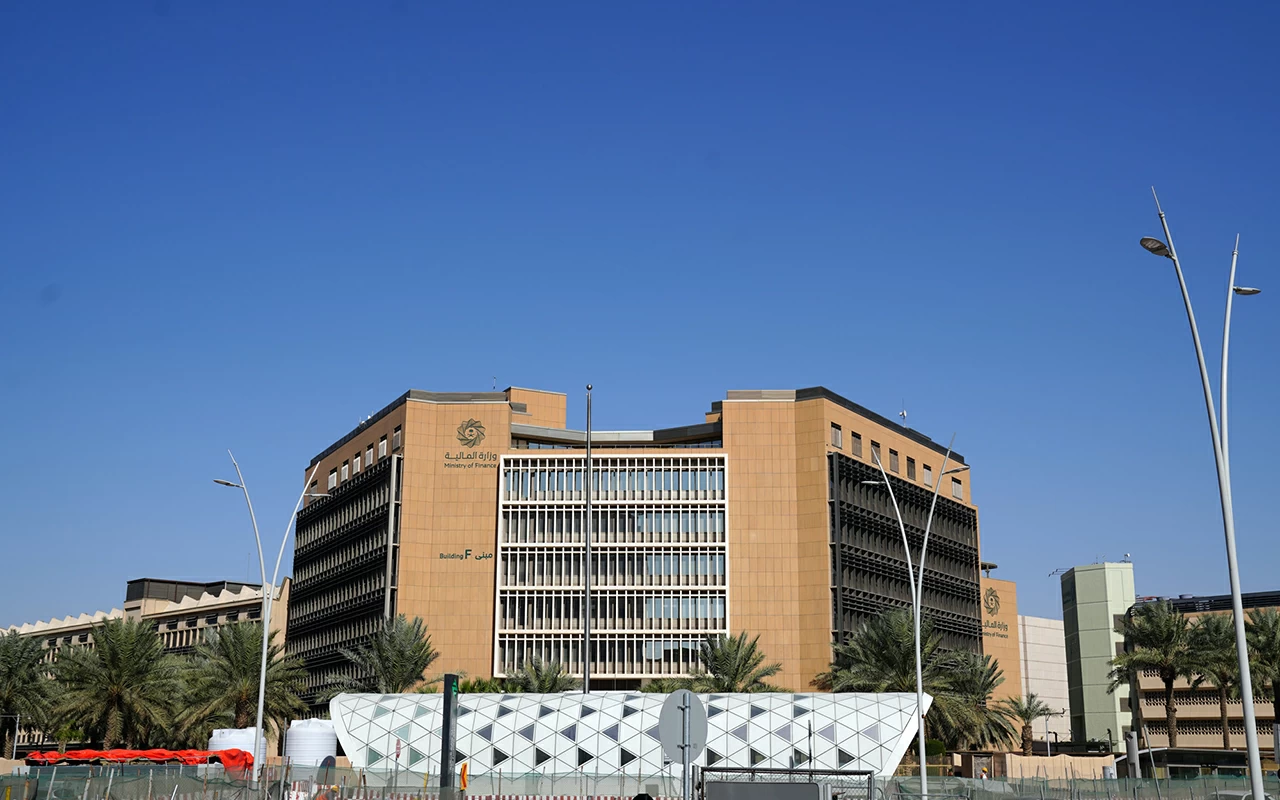
كشف تنظيم مركز الإيرادات غير النفطية عن اشتراط مراجعة المركز ودراسته لأي طلب تتقدم به الجهات الحكومية يتعلق بفرض أو تعديل أو إلغاء رسوم ومقابلات مالية والرفع عن ذلك وفقاً للإجراءات النظامية المتبعة، إذ يهدف التنظيم إلى دعم تحقيق مستهدفات الإيرادات غير النفطية بما يحقق التوازن الاقتصادي والاستدامة المالية من خلال تطبيق مبادرات ونماذج ومنهجيات موحدة للجهات الحكومية مع مراعاة الأهداف التنموية الأخرى المرتبطة بالسياسات والأنظمة والإجراءات.
ووفقاً لمواد التنظيم، يتولى المركز دعم الجهات الحكومية بدراسة أي مقترح يتعلق بفرض ضريبة قبل رفعه لاستكمال الإجراءات النظامية اللازمة في شأنه، إضافة إلى المشاركة في دراسة وتقييم وتوقيع أو تجديد العقود التي يترتب عليها تحصيل أي مبالغ مالية مقابل تقديم أو تسهيل تنفيذ خدمات حكومية، مع التنسيق مع كافة الجهات لتزويد المركز بجميع المعلومات والبيانات المرتبطة بالرسوم والأجور والمقابلات المالية التي تفرض من قبل الجهة الحكومية أو الشركات المتعاقدة أو المشغلة على القطاعين الحكومي والخاص والمواطنين والمقيمين وبيان إيراداتها بشكل سنوي.
ونص التنظيم على أن يكون للمركز شخصية اعتبارية عامة واستقلال مالي وإداري ويرتبط تنظيمياً بوزير المالية ويديره مجلس إدارة برئاسة وزير المالية وعضوية وزير الاقتصاد والتخطيط وأمين اللجنة الاستراتيجية بمجلس الشؤون الاقتصادية والتنمية وأمين اللجنة المالية بالديوان الملكي والرئيس التنفيذي للمركز، حيث يتولى المجلس الإشراف على إدارة شؤون المركز وإقرار السياسات والخطط واللوائح الإدارية والمالية والموافقة على إبرام الاتفاقيات الدولية وتبني الممكنات التقنية اللازمة والربط بقواعد البيانات المتاحة.
وفيما يخص الموارد المالية ومنسوبي المركز، فقد أكدت المواد أن تودع جميع إيرادات المركز عبر منصة إيراد في حساب الخزينة الموحد في البنك المركزي السعودي مع خضوع منسوبي المركز لنظام العمل ونظام التأمينات الاجتماعية، كما يلتزم المركز برفع تقرير سنوي وحساب ختامي إلى رئيس مجلس الوزراء خلال تسعين يوماً يوضح الإنجازات المحققة وما واجهه من صعوبات ومقترحات تحسين سير العمل لضمان استدامة الإيرادات غير النفطية وفق المستهدفات المعتمدة وكفاءة تحصيل الجهات الحكومية لإيراداتها.
The organization of the Non-Oil Revenues Center has revealed the requirement for the center to review and study any request submitted by government entities related to the imposition, amendment, or cancellation of fees and financial charges, and to elevate that in accordance with the applicable regulatory procedures. The aim of the organization is to support the achievement of non-oil revenue targets in a way that ensures economic balance and financial sustainability through the application of unified initiatives, models, and methodologies for government entities while considering other developmental goals related to policies, regulations, and procedures.
According to the provisions of the organization, the center is responsible for supporting government entities by studying any proposal related to the imposition of taxes before it is submitted to complete the necessary regulatory procedures. Additionally, it participates in studying, evaluating, signing, or renewing contracts that result in the collection of any financial amounts in exchange for providing or facilitating the implementation of government services, while coordinating with all entities to provide the center with all information and data related to the fees, charges, and financial encounters imposed by the government entity or contracting or operating companies in the public and private sectors, as well as citizens and residents, and to report its revenues annually.
The organization stipulates that the center shall have a public legal personality and financial and administrative independence, and it is organizationally linked to the Minister of Finance. It is managed by a board of directors headed by the Minister of Finance, with the membership of the Minister of Economy and Planning, the Secretary of the Strategic Committee at the Council of Economic and Development Affairs, the Secretary of the Financial Committee at the Royal Court, and the CEO of the center. The board is responsible for overseeing the management of the center’s affairs, approving policies, plans, administrative and financial regulations, and consenting to the conclusion of international agreements and adopting the necessary technical enablers and linking to available databases.
Regarding financial resources and the staff of the center, the provisions confirm that all revenues of the center shall be deposited through the Revenue Platform into the unified treasury account at the Saudi Central Bank, with the center’s staff being subject to the Labor Law and the Social Insurance Law. The center is also obligated to submit an annual report and final accounts to the Prime Minister within ninety days, detailing the achievements made, the difficulties faced, and suggestions for improving workflow to ensure the sustainability of non-oil revenues in accordance with the approved targets and the efficiency of government entities in collecting their revenues.
للمزيد من المقالات
اضغط هنا