
علماء روس يطورون مادة مبتكرة لامتصاص الأصباغ الصناعية من مياه الصرف – أخبار السعودية
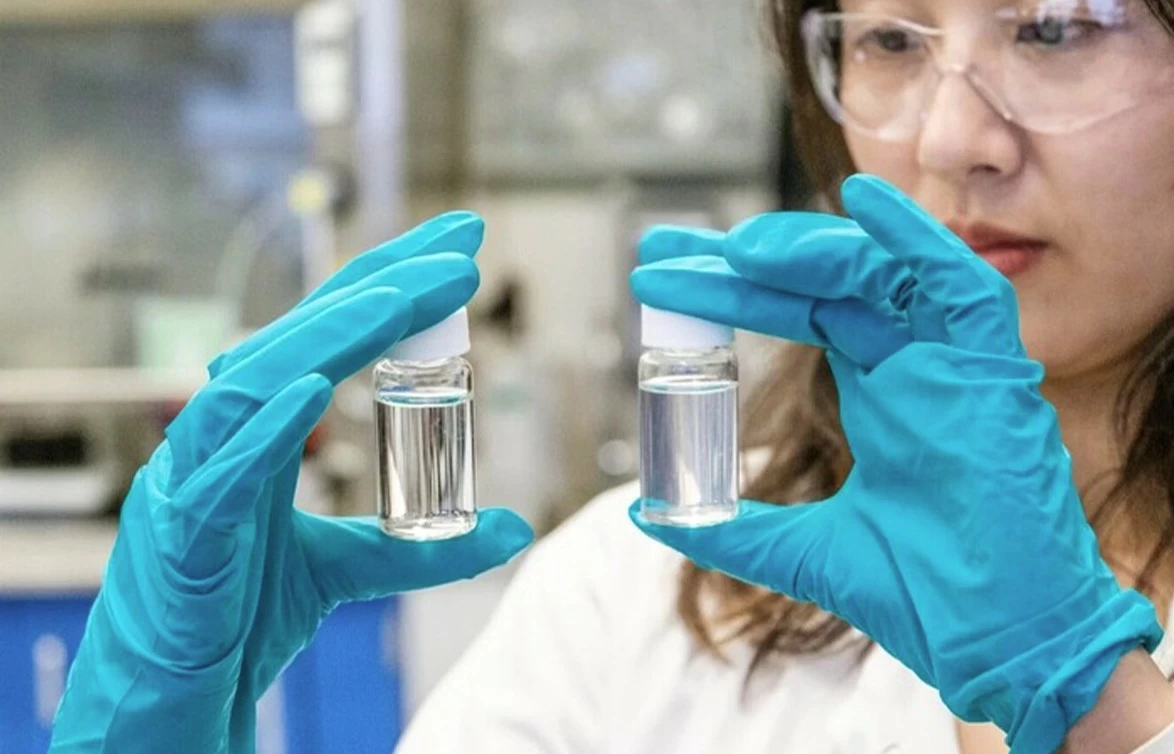
طوّر فريق من العلماء في جامعة «إيمانويل كانط» الروسية مادة مبتكرة قادرة على امتصاص الأصباغ الصناعية من مياه الصرف بكفاءة عالية؛ إذ تمتاز هذه المادة بقدرتها على امتصاص 645 مليغرامًا من الصبغة لكل غرام واحد من وزنها، مع إمكانية فصلها عن الماء بسهولة باستخدام مغناطيس عادي.
وأشار العلماء إلى أن الأصباغ العضوية المستخدمة في صناعات الأغذية والمنسوجات والأدوية تتحلل ببطء شديد في البيئة، مما يحد من كفاءة طرق المعالجة التقليدية، ونُشرت نتائج هذا الابتكار في مجلة «فيزياء المعادن وعلم المعادن».
ووفقًا لتقديرات منظمات بيئية عالمية، فإن قطاع صناعة النسيج وحده يطرح سنويًا ما بين 70,000 و200,000 طن من الأصباغ في المسطحات المائية، وهو ما يعادل وزن مئات الطائرات.
وأوضح الباحث في مختبر «النانو والمغناطيسية الدقيقة» بالجامعة، فيتالي سالنيكوف، أن طرق التنقية الحالية (البيولوجية والكيميائية) إما مكلفة، أو غير فعالة عند التركيزات العالية، أو تنتج نفايات ثانوية، مضيفًا أن الكربون المنشط -وهو أكثر المواد الماصة شيوعًا- يمتص الأصباغ بكفاءة متوسطة ويتطلب عمليات تجديد معقدة أو التخلص منه كنفايات.
وتعود الكفاءة العالية للمادة الجديدة، التي تفوق المواد المماثلة بمعدل يتراوح بين 10 إلى 100 مرة، إلى «التآزر» بين خصائص ثلاثة مكونات أساسية هي: أكسيد الحديد المغناطيسي؛ لتسهيل استرجاع المادة، كربونات الكالسيوم؛ لتكوين سطح مسامي متفرع، حمض البولي أكريليك (بوليمر)؛ لربط البنية وتوفير «مصائد» إضافية لجزيئات الصبغة، وبذلك تكون النتيجة هي قدرة امتصاص تفوق الكربون المنشط بـ 10 مرات، وتتجاوز فعالية كربونات الكالسيوم النقية بـ 129 مرة.
ويؤكّد الباحثون أن الاعتماد على المجال المغناطيسي في مرحلة «الفصل» بدلًا من الترشيح أو الطرد المركزي، سيقلل بشكل كبير من استهلاك الطاقة والتكاليف التشغيلية لمعالجة المياه.
A team of scientists at the Russian “Immanuel Kant” University has developed an innovative material capable of efficiently absorbing industrial dyes from wastewater; this material is characterized by its ability to absorb 645 milligrams of dye for every gram of its weight, with the possibility of separating it from water easily using a regular magnet.
The scientists pointed out that the organic dyes used in the food, textile, and pharmaceutical industries decompose very slowly in the environment, which limits the efficiency of traditional treatment methods. The results of this innovation were published in the journal “Physics of Metals and Metallography.”
According to estimates from global environmental organizations, the textile industry alone discharges between 70,000 and 200,000 tons of dyes into water bodies annually, which is equivalent to the weight of hundreds of airplanes.
Vitaly Salnikov, a researcher in the “Nano and Micromagnetism” laboratory at the university, explained that current purification methods (biological and chemical) are either expensive, ineffective at high concentrations, or produce secondary waste. He added that activated carbon—one of the most common absorbent materials—absorbs dyes with moderate efficiency and requires complex regeneration processes or disposal as waste.
The high efficiency of the new material, which surpasses similar materials by a factor of 10 to 100 times, is due to the “synergy” between the properties of three essential components: magnetic iron oxide to facilitate the recovery of the material, calcium carbonate to create a branched porous surface, and polyacrylic acid (polymer) to bind the structure and provide additional “traps” for dye molecules. As a result, the absorption capacity exceeds that of activated carbon by 10 times and surpasses the effectiveness of pure calcium carbonate by 129 times.
The researchers confirm that relying on the magnetic field in the “separation” stage instead of filtration or centrifugation will significantly reduce energy consumption and operational costs for water treatment.
للمزيد من المقالات
اضغط هنا