
بانتظار ساعة الصفر «الجديدة».. هل يخطط ترمب لـ«غزو» إيران برياً؟ – أخبار السعودية
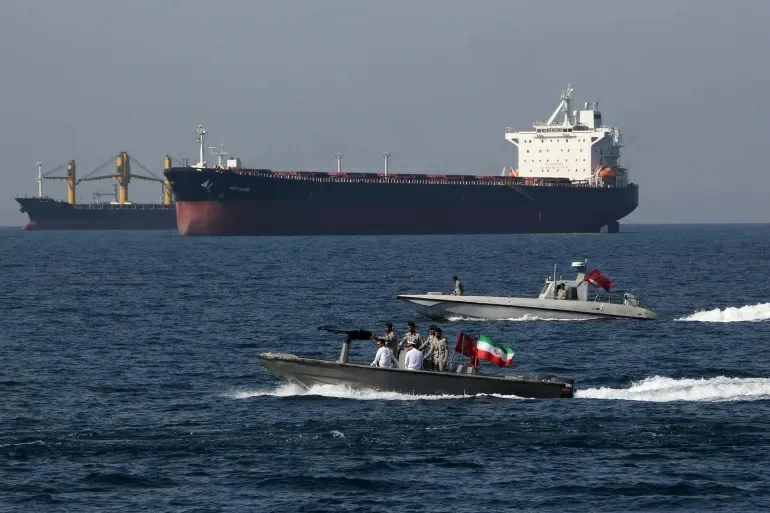
يختلط التصعيد العسكري بالغموض السياسي، وسط تزايد المؤشرات على احتمال انتقال حرب إيران إلى مرحلة التدخل البري، بكل ما تحمله من تداعيات إقليمية ودولية.
التهديدات الحادة والرسائل المطمئنة
ورسمت صحف بريطانية صورة مقلقة لمسار الحرب، وتحت عنوان: «هل يخطط ترمب لغزو بري لإيران يوم الجمعة العظيمة؟»، وضعت صحيفة «تايمز» تصرفات الرئيس الأمريكي دونالد ترمب في إطار ما تسميه «الغموض المُسلّح»، وتحدثت عن سيل تصريحات متناقضة -من إعلان الانتصار إلى التلويح بالانسحاب- ليس عشوائياً بالكامل، بل قد يكون تكتيكاً لكسب الوقت.
ونقلت الصحيفة عن دوائر في واشنطن وصفها لهذه الإستراتيجية بأنها تجمع بين التهديدات الحادة والرسائل المطمئنة، في محاولة للضغط على إيران من جهة، وتهدئة الأسواق من جهة أخرى، بينما تتواصل الاستعدادات العسكرية على الأرض. إلا أن هذا التفسير لا يحظى بإجماع، إذ ترى مجلة «ذي إيكونوميست» أن المشهد يعكس قدراً كبيراً من الضبابية والارتباك، وأنه ليس من الواضح لترمب نفسه الخطوة اللاحقة.
انزلاق غير محسوب نحو مواجهة أوسع
ولفتت «التايمز» في هذا الصدد إلى نشر القوات الأمريكية دون وضوح في الأهداف النهائية، ما يعزز المخاوف من انزلاق غير محسوب نحو مواجهة أوسع، بيد أن صحيفة «آي بيبر» اعتبرت أن الحشود العسكرية قد تكون أداة ردع أو تمهيداً فعلياً للحرب، مؤكدة أن الأهداف الأمريكية لا تزال غير محسومة.
ورغم هذا التبيان بشأن الأهداف، فإن الصحف الثلاث تُجمع على أن التحركات العسكرية الأمريكية ربما لم تعد مجرد تهديدات، بل دخلت مرحلة التنفيذ الفعلي، وذكرت إحداها أن عديد هذه القوات بلغ الآن أكثر من 50 ألف جندي أمريكي في الشرق الأوسط، وصاحبت التحشيد مئات الرحلات الجوية العسكرية، في مؤشر على تصعيد لوجستي واسع النطاق.
عندما تكون الأسواق مغلقة
وبشأن توقيت العملية المرتقبة، رأت «التايمز» أن أفضل وقت للقيام بذلك هو عندما تكون الأسواق مغلقة، خصوصاً إذا كانت لدى الجيش مهمات قصيرة ومحددة قبل إعادة فتحها.
وتساءلت الصحيفة: هل ثمة وقت أفضل من عطلة نهاية الأسبوع الطويلة القادمة، عندما تكون وول ستريت وأوروبا مغلقة 3 أيام بمناسبة الجمعة العظيمة؟
ووفقاً لهذه الصحف، فإن ثمة تركيزاً على جزيرة خارك، التي تُعد مركزاً حيوياً لصادرات النفط الإيرانية، وتقول «ذي إيكونوميست»: إنها مركز رئيسي لـ90% من صادرات النفط الإيرانية، مما يجعلها هدفاً إستراتيجياً في أي عملية عسكرية محتملة.
حروب استنزاف طويلة
واتفقت على أن الحرب البرية ستكون شديدة التعقيد وعواقبها خطيرة، وحذرت «ذي إيكونوميست» من تكرار تجارب تاريخية مريرة، قائلة إن الحروب البرية في آسيا نادراً ما كانت في صالح أمريكا، في إشارة إلى فيتنام والعراق وأفغانستان، إذ تحولت إلى حروب استنزاف طويلة.
وأيدت «آي بيبر» هذا الطرح، معتبرة أي تدخل قد يجر الولايات المتحدة إلى حرب استنزاف دموية. بينما رأت «تايمز» أن نشر القوات يخلق نوعاً من «الحتمية العسكرية»، إذ يصبح التراجع أكثر صعوبة مع مرور الوقت.
معضلة اليوم التالي
وفيما يتعلق بمعضلة اليوم التالي، طرحت الصحف تساؤلاً محورياً: ماذا بعد السيطرة؟ وقالت «ذي إيكونوميست»: «إن المارينز يمكن أن يحتلوا جزيرة خارك، لكن ماذا بعد؟». فيما اعتبرت «آي بيبر» أن «المشكلة ليست في السيطرة، بل فيما يحدث بعد ذلك مباشرة».
ولفتت إلى أن التقديرات تشير إلى أن أي قوة أمريكية ستواجه هجمات بالصواريخ والمسيّرات وصعوبات في الإمداد والدعم وبيئة قتالية معادية ومفتوحة، ما يجعل أي «نصر سريع» عبئاً إستراتيجياً طويل الأمد.
وأجمعت تحليلات الصحف الثلاث، على أن إيران سترد على القوات القوات الأمريكية بوابل من المسيّرات والصواريخ.
The military escalation is intertwined with political ambiguity, amid increasing indicators of the possibility of the Iran war transitioning to a phase of ground intervention, with all the regional and international ramifications it entails.
Sharp threats and reassuring messages
British newspapers painted a troubling picture of the war’s trajectory, and under the headline: “Is Trump planning a ground invasion of Iran on Good Friday?”, the “Times” framed U.S. President Donald Trump’s actions within what it calls “armed ambiguity,” discussing a torrent of contradictory statements—from declaring victory to hinting at withdrawal—not being entirely random, but possibly a tactic to buy time.
The newspaper quoted circles in Washington describing this strategy as a combination of sharp threats and reassuring messages, in an attempt to pressure Iran on one hand, and calm the markets on the other, while military preparations on the ground continue. However, this interpretation does not enjoy consensus, as “The Economist” believes that the scene reflects a significant degree of fog and confusion, and that it is not clear even to Trump himself what the next step is.
An uncalculated slide towards a broader confrontation
The “Times” pointed out in this context the deployment of U.S. forces without clarity on the ultimate objectives, which heightens fears of an uncalculated slide towards a broader confrontation. However, the “iPaper” considered that the military buildup could be a deterrent tool or a real preparation for war, emphasizing that U.S. objectives remain unresolved.
Despite this clarification regarding objectives, the three newspapers agree that U.S. military movements may no longer be mere threats, but have entered a phase of actual implementation, with one of them noting that the number of these forces has now exceeded 50,000 American soldiers in the Middle East, accompanied by hundreds of military flights, indicating a wide-scale logistical escalation.
When the markets are closed
Regarding the timing of the anticipated operation, the “Times” viewed that the best time to do so is when the markets are closed, especially if the military has short and specific missions before reopening them.
The newspaper asked: Is there a better time than the upcoming long weekend, when Wall Street and Europe are closed for three days for Good Friday?
According to these newspapers, there is a focus on Khark Island, which is a vital center for Iranian oil exports, and “The Economist” states that it is a major hub for 90% of Iranian oil exports, making it a strategic target in any potential military operation.
Long wars of attrition
They agreed that a ground war would be highly complex and its consequences severe, with “The Economist” warning against repeating bitter historical experiences, stating that ground wars in Asia have rarely favored America, referring to Vietnam, Iraq, and Afghanistan, which turned into long wars of attrition.
“iPaper” supported this view, considering that any intervention could drag the United States into a bloody war of attrition. Meanwhile, “The Times” noted that the deployment of troops creates a kind of “military inevitability,” making retreat more difficult over time.
The dilemma of the day after
Regarding the dilemma of the day after, the newspapers posed a crucial question: What comes after control? “The Economist” said: “The Marines can occupy Khark Island, but what happens next?” While “iPaper” considered that “the problem is not in control, but in what happens immediately afterward.”
It pointed out that estimates indicate that any American force will face attacks by missiles and drones, supply and support difficulties, and a hostile and open combat environment, making any “quick victory” a long-term strategic burden.
The analyses of the three newspapers agreed that Iran would respond to American forces with a barrage of drones and missiles.
للمزيد من المقالات
اضغط هنا