
الخطط معدة منذ سنوات.. جنرال أمريكي يكشف سيناريوهات التدخل البري في إيران – أخبار السعودية
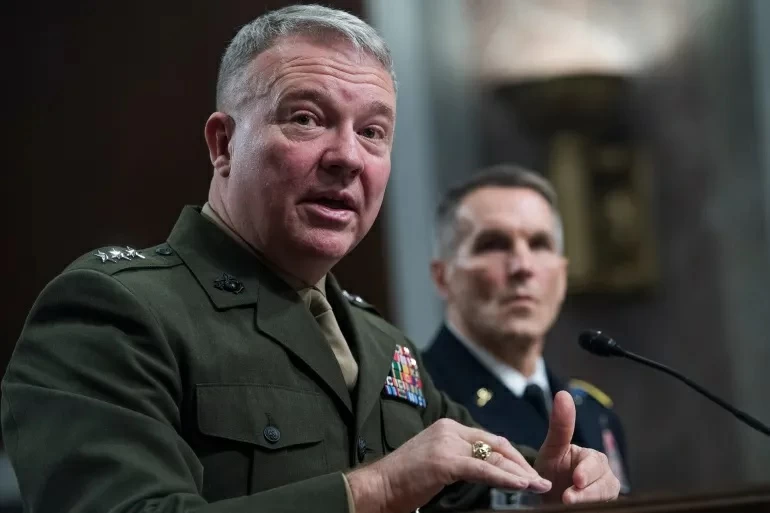
كشف القائد السابق للقيادة المركزية الأمريكية الجنرال المتقاعد فرانك ماكينزي أن الولايات المتحدة وضعت منذ سنوات عديدة خططاً عسكرية مفصلة للتعامل مع أي تصعيد في إيران، بما في ذلك سيناريوهات تدخل بري محدود، والسيطرة على مواقع إستراتيجية، في مقدمتها مضيق هرمز.
تقليص قدرات إيران على تهديد الملاحة
وفي مقابلة مع شبكة «سي بي سي نيوز» الأمريكية، اعتبر ماكينزي أن العمليات الجارية حالياً ليست عشوائية، بل جزء من «خطة قائمة منذ سنوات عديدة»، تهدف بالأساس إلى تقليص قدرات إيران على تهديد الملاحة في مضيق هرمز.
ولفت إلى أن الإستراتيجية الأمريكية ترتكز في مرحلتها الحالية على فرض تفوق جوي دائم فوق جنوب إيران، مع تنفيذ عمليات رصد واستهداف مكثفة لمواقع الصواريخ القصيرة المدى والطائرات المسيّرة، التي تشكل التهديد الرئيسي لحركة السفن.
وأوضح أن هذه العمليات تهدف إلى إضعاف قدرات طهران إلى «مستوى منخفض للغاية»، ما يمهد لعمليات أكثر تقدماً، قد تشمل التوغل للبحث عن ألغام بحرية محتملة في المضيق. وأضاف: «لسنا متأكدين مما إذا كانوا قد زرعوا ألغاماً بالفعل، لكن من المتوقع أن يفعلوا ذلك في نهاية المطاف، وهذا يتماشى مع سلوكهم».
عمليات إنزال للسيطرة على جزر
ورداً على تساؤلات حول مدى جاهزية هذه الخطط، أكد ماكينزي أنه أشرف خلال سنوات عمله في القيادة المركزية على محاكاة متكررة لمثل هذه السيناريوهات، لافتاً إلى أن الأداء العملياتي الحالي «يتقدم قليلاً عما كان متوقعاً» مقارنة بنتائج تلك المحاكاة.
وأكد أن الجيش الأمريكي لم يُفاجَأ بإمكانية إغلاق مضيق هرمز، خلافاً لما يوحي به الخطاب السياسي، لافتاً إلى أن هذه الفرضية كانت دائماً ضمن الحسابات العسكرية، بما يشمل الجزر والمواقع الحيوية على الساحل الجنوبي لإيران.
وفي ما يتعلق بإمكانية استخدام قوات برية، كشف ماكينزي أن الخطط الأمريكية تتضمن منذ سنوات خيارات عملياتية على طول الساحل الإيراني، من بينها تنفيذ عمليات إنزال للسيطرة على جزر أو قواعد صغيرة.
وأوضح أن هذه العمليات غالباً ما تكون مداهمات مؤقتة تتضمن انسحاباً مخططاً، لكنها قد تتحول في بعض الحالات إلى سيطرة ممتدة على مواقع محددة، لما لذلك من تداعيات عسكرية وسياسية. وضرب مثالاً بجزيرة خارك، التي تُعد شرياناً حيوياً لصادرات النفط الإيرانية، مشيراً إلى أن السيطرة عليها يمكن أن تؤدي فعلياً إلى «شلّ الاقتصاد النفطي الإيراني بالكامل»، دون الحاجة إلى تدمير البنية التحتية، ما يتيح استخدامها لاحقاً ورقة تفاوض.
وأضاف أن مثل هذه الخطوة ستكون «مهينة للغاية لإيران»، وستمنح واشنطن نفوذاً كبيراً في أي مفاوضات مستقبلية.
ضمان بقاء هرمز مفتوحاً
وقال ماكينزي إن الهدف الأساسي يتمثل في ضمان بقاء مضيق هرمز مفتوحاً أمام الملاحة الدولية، إلى جانب التوصل إلى تفاهمات بشأن برنامجي إيران الصاروخي والنووي.
واعتبر تحقيق هذه الأهداف، من منظور عسكري، يمثل «أقصى ما يمكن الوصول إليه»، مشيراً إلى أن هذه النتائج لا تزال «في متناول اليد»، لكنها تتطلب استمرار الضغط العسكري على إيران.
Former commander of the U.S. Central Command, retired General Frank McKenzie, revealed that the United States has had detailed military plans for many years to deal with any escalation in Iran, including scenarios for limited ground intervention and control of strategic sites, foremost among them the Strait of Hormuz.
Reducing Iran’s capabilities to threaten navigation
In an interview with the American network “CBC News,” McKenzie stated that the ongoing operations are not random, but rather part of a “plan that has been in place for many years,” primarily aimed at reducing Iran’s capabilities to threaten navigation in the Strait of Hormuz.
He pointed out that the current phase of the U.S. strategy is based on maintaining permanent air superiority over southern Iran, along with intensive monitoring and targeting operations against short-range missile sites and drones, which pose the main threat to shipping movements.
He explained that these operations aim to weaken Tehran’s capabilities to “a very low level,” paving the way for more advanced operations, which may include incursions to search for potential naval mines in the strait. He added, “We are not sure if they have actually planted mines, but it is expected that they will eventually do so, and this aligns with their behavior.”
Landing operations to control islands
In response to questions about the readiness of these plans, McKenzie confirmed that during his years of service in Central Command, he oversaw repeated simulations of such scenarios, noting that the current operational performance “is slightly ahead of what was expected” compared to the results of those simulations.
He affirmed that the U.S. military was not surprised by the possibility of closing the Strait of Hormuz, contrary to what political rhetoric suggests, emphasizing that this hypothesis has always been part of military calculations, including the islands and vital sites along Iran’s southern coast.
Regarding the possibility of using ground forces, McKenzie revealed that U.S. plans have included operational options along the Iranian coast for years, including conducting landing operations to control islands or small bases.
He explained that these operations are often temporary raids that involve a planned withdrawal, but they may, in some cases, turn into extended control over specific sites, given the military and political implications. He cited the island of Khark as a vital artery for Iranian oil exports, noting that controlling it could effectively “paralyze the entire Iranian oil economy,” without the need to destroy infrastructure, allowing it to be used later as a bargaining chip.
He added that such a step would be “extremely humiliating for Iran,” and would give Washington significant leverage in any future negotiations.
Ensuring the Strait remains open
McKenzie stated that the primary goal is to ensure that the Strait of Hormuz remains open to international navigation, along with reaching understandings regarding Iran’s missile and nuclear programs.
He considered achieving these goals, from a military perspective, to represent “the maximum that can be achieved,” noting that these outcomes are still “within reach,” but they require continued military pressure on Iran.
للمزيد من المقالات
اضغط هنا