
123 دولة تصوت بـ«نعم».. الأمم المتحدة تعلن: استرقاق الأفارقة «أفظع جريمة ارتكبت ضد الإنسانية» – أخبار السعودية
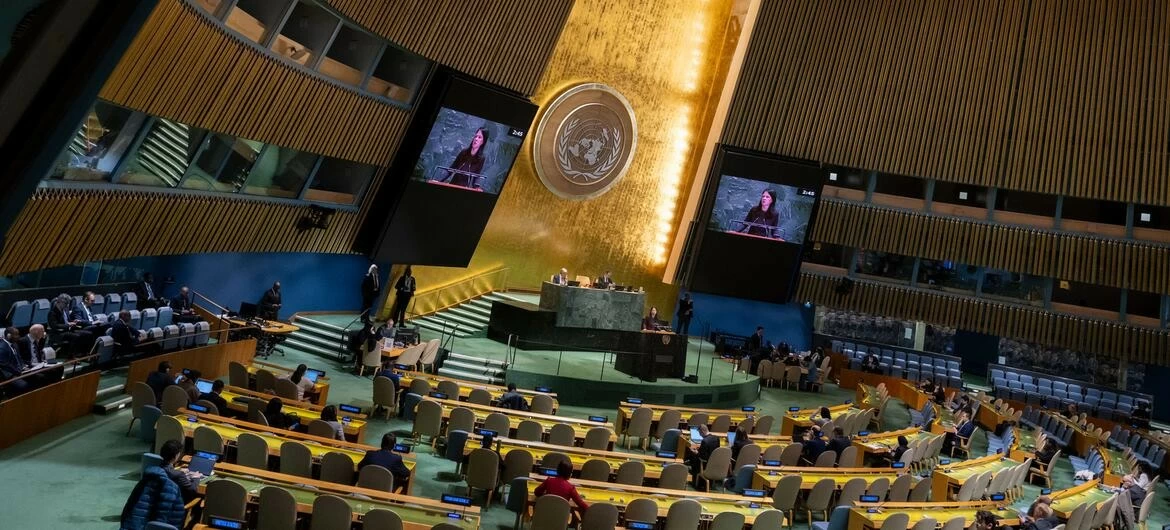
اعتمدت الجمعية العامة للأمم المتحدة، أمس (الأربعاء)، قراراً تاريخياً مهماً يُعلن أن الاتجار بالأفارقة المستعبدين واسترقاق الأفارقة بمبرر عرقي هو «أفظع جريمة ارتكبت ضد الإنسانية».
وحظي القرار بتأييد واسع، إذ صوتت لصالحه 123 دولة، وعارضته 3 دول فقط هي؛ الولايات المتحدة وإسرائيل والأرجنتين، فيما امتنعت 52 دولة عن التصويت.
وقُدم القرار من غانا نيابة عن نحو 60 دولة، بما في ذلك مجموعة من الدول العربية والأفريقية (تونس، الجزائر، جزر القمر، جيبوتي، السودان، الصومال، مصر، المغرب، موريتانيا وغيرها)، وجاء اعتماده تزامناً مع اليوم الدولي لإحياء ذكرى ضحايا الرق وتجارة الرقيق عبر المحيط الأطلسي.
ووصف القرار تجارة الرقيق عبر الأطلسي واسترقاق الأفارقة بأنه «أشد أشكال الظلم اللاإنساني وأطوله أمداً»، مؤكداً على الآثار العميقة والدائمة لنُظم الرق والاستعمار، واستمرار التمييز العنصري حتى اليوم.
كما دعا الدول الأعضاء إلى الانخراط في حوار شامل حول العدالة التعويضية، بما يشمل تقديم اعتذار رسمي، وتدابير لرد الاعتبار والتعويض والتأهيل، وضمانات بعدم التكرار.
واستمرت تجارة الرقيق عبر المحيط الأطلسي لأكثر من 400 عام، واختُطف ملايين الأفارقة من أسرهم ومجتمعاتهم، ونُقلوا في ظروف قاسية للغاية إلى الأمريكتين، ولم ينجُ واحد من كل سبعة أشخاص أثناء الرحلة، واستُعبدوا في مزارع ومناجم، ما شكل جوهر نظام اقتصادي عالمي قائم على الطمع والعنف.
يأتي القرار ضمن جهود أفريقية مستمرة للاعتراف بالمظالم التاريخية ومعالجتها، ويُعد خطوة مهمة نحو جبر الأضرار وتصحيح السرد التاريخي، وقد وصفه الأمين العام للأمم المتحدة أنطونيو غوتيريش بأنه «خيانة عميقة للكرامة الإنسانية»، داعياً إلى مواجهة الخطاب العنصري وتفكيك مزاعم التفوق العرقي.
من جانبها، أكدت رئيسة الجمعية العامة أنالينا بيربوك أن الرق وتجارة الرقيق «من أخطر انتهاكات حقوق الإنسان في التاريخ»، مشددة على أن معالجة هذه المظالم واجب أخلاقي يتطلب عملاً حقيقياً وتأملاً ذاتياً.
ورحبت الدول الأفريقية والعديد من دول الجنوب بالقرار كخطوة تاريخية نحو العدالة، بينما أبدت بعض الدول الممتنعة تحفظات حول صياغة القرار ومسألة التعويضات، معتبرة أنها تحتاج إلى مزيد من التشاور.
The United Nations General Assembly adopted a historic and important resolution yesterday (Wednesday) declaring that the trafficking of enslaved Africans and the enslavement of Africans under the pretext of race is the “most heinous crime committed against humanity.”
The resolution received widespread support, with 123 countries voting in favor, while only 3 countries opposed it: the United States, Israel, and Argentina, while 52 countries abstained from voting.
The resolution was presented by Ghana on behalf of nearly 60 countries, including a group of Arab and African nations (Tunisia, Algeria, Comoros, Djibouti, Sudan, Somalia, Egypt, Morocco, Mauritania, and others), and its adoption coincided with the International Day of Remembrance of the Victims of Slavery and the Transatlantic Slave Trade.
The resolution described the transatlantic slave trade and the enslavement of Africans as “the most severe forms of inhumane injustice and the longest-lasting,” emphasizing the deep and lasting impacts of slavery and colonial systems, and the continuation of racial discrimination to this day.
It also called on member states to engage in a comprehensive dialogue on restorative justice, including offering a formal apology, measures for reparation, rehabilitation, and guarantees of non-repetition.
The transatlantic slave trade lasted for more than 400 years, during which millions of Africans were kidnapped from their families and communities and transported under extremely harsh conditions to the Americas, with one in seven people not surviving the journey, and they were enslaved on farms and in mines, forming the core of a global economic system based on greed and violence.
This resolution is part of ongoing African efforts to acknowledge and address historical grievances, and it is considered an important step towards reparations and correcting the historical narrative. UN Secretary-General António Guterres described it as a “deep betrayal of human dignity,” calling for a confrontation of racist rhetoric and the dismantling of claims of racial superiority.
For her part, the President of the General Assembly, Annalena Baerbock, affirmed that slavery and the slave trade are “among the gravest violations of human rights in history,” stressing that addressing these grievances is a moral obligation that requires genuine action and self-reflection.
African nations and many Global South countries welcomed the resolution as a historic step towards justice, while some abstaining countries expressed reservations about the wording of the resolution and the issue of reparations, considering that it requires further consultation.
للمزيد من المقالات
اضغط هنا