
بعد القفزة التاريخية.. نقطة تحول هبطت بأسعار الذهب – أخبار السعودية
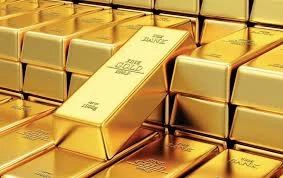
بعد أن سجل الذهب مستويات قياسية فوق 5,200 دولار للأوقية في 16 مارس الجاري، عاد ليتراجع بشكل حاد إلى نحو 4,750 دولاراً بحلول 19 مارس، في تحوّل سريع يعكس حساسية السوق لتصريحات السياسة النقدية وتطورات الاقتصاد العالمي.
وجاءت نقطة التحول الرئيسية عقب المؤتمر الصحافي لرئيس الاحتياطي الفيدرالي جيروم باول في 18 مارس، والذي حمل رسائل اعتبرتها الأسواق سلبية بالنسبة للذهب.
3 رسائل
9
وضغطت 3 رسائل على الذهب، وهي لا خفض لأسعار الفائدة في ظل استمرار التضخم، والإبقاء على الفائدة عند مستويات مرتفعة، وتلميحات من بعض الأعضاء بإمكانية رفع الفائدة.
هذه الإشارات عززت جاذبية الأصول النقدية، ودعمت صعود مؤشر الدولار الأمريكي، ما أدى إلى ضغط مباشر على أسعار الذهب، وفق ما نقلته وكالة بلومبيرغ.
وعندما ترتفع أسعار الفائدة، تصبح الأصول المدرة للعائد مثل السندات أكثر جاذبية مقارنة بالذهب، الذي لا يحقق عائدا مباشرا، ويدفع ذلك المستثمرين لإعادة توزيع محافظهم نحو النقد أو الأدوات المالية الأخرى.
اختلاف نسبي
ورغم أن التوترات الجيوسياسية عادة ما تدعم الذهب كملاذ آمن، فإن تأثيرها الحالي مختلف نسبيا، إذ أدت إلى ارتفاع أسعار الطاقة، ما يعزز التضخم عالميا.
وهذا بدوره يدفع البنوك المركزية إلى الإبقاء على الفائدة مرتفعة لفترة أطول، وهو عامل سلبي للذهب على المدى القصير.
كما تشير تقارير إلى تباطؤ محتمل في الاقتصاد الأمريكي، في ظل تصاعد التوترات، من بينها استهداف مواقع طاقة في إيران، وهو ما يزيد من تعقيد المشهد الاستثماري.
After gold recorded record levels above $5,200 per ounce on March 16, it sharply declined to around $4,750 by March 19, in a rapid shift that reflects the market’s sensitivity to monetary policy statements and developments in the global economy.
The main turning point came after the press conference of Federal Reserve Chairman Jerome Powell on March 18, which contained messages that the markets considered negative for gold.
3 Messages
9
Three messages pressured gold: no interest rate cuts amid ongoing inflation, maintaining interest rates at high levels, and hints from some members about the possibility of raising rates.
These signals enhanced the appeal of cash assets and supported the rise of the U.S. dollar index, leading to direct pressure on gold prices, according to Bloomberg News.
When interest rates rise, yield-generating assets like bonds become more attractive compared to gold, which does not provide a direct return, prompting investors to reallocate their portfolios towards cash or other financial instruments.
Relative Difference
Although geopolitical tensions usually support gold as a safe haven, their current impact is relatively different, as they have led to rising energy prices, which in turn boosts global inflation.
This, in turn, drives central banks to keep interest rates high for a longer period, which is a negative factor for gold in the short term.
Reports also indicate a potential slowdown in the U.S. economy amid escalating tensions, including targeting energy sites in Iran, which complicates the investment landscape further.
للمزيد من المقالات
اضغط هنا