
الفتة والشوربة والشفوت وبنت الصحن سيدات المائدة اليمنية – أخبار السعودية
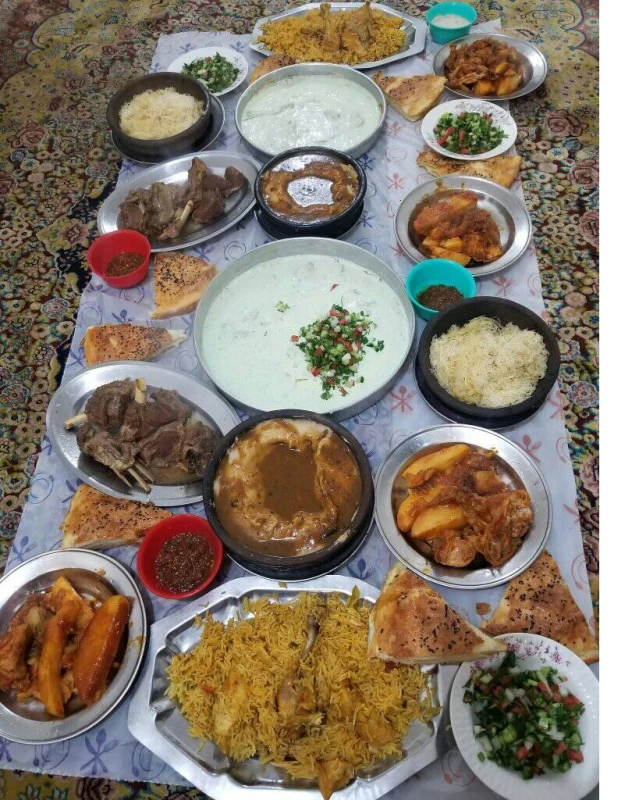
بين المدينة والأرياف تختلف العادات الرمضانية في اليمن، وتتنوع أساليب المجتمع باختلاف ثقافة القبائل، لكن ما يتفقون فيه هي الأكلات الشعبية التي تحرص اليمنيات على صناعتها بأيديهن وفي منازلهن وغالبيتها يجري التحضير لها قبل أيام من دخول شهر رمضان عبر شراء الحبوب (الذرة الصفراء) وطحنها، وبالغالب في الأرياف تتم عبر (الرحى)، إضافة إلى طحن الشوربة (حبوب البر)، وشراء التمر، وغيرها من التجهيزات.
وفي الريف تبدأ رحلة اليمنيات في إعداد الطعام لليلة الأولى من رمضان وكل ليلة منذ الساعة الواحدة بعد منتصف الليل، حيث يذهبن إلى دقِّ الحبوب يدوياً بالمطحنة المنحوتة من الحجر، التي جرى إعدادها بالرحى قبل دخول رمضان، ثم يتم بعدها إشعال «الموفى»، وتجهيز الخبز ليتم إعداد (الفتة)، وهي مكونة من الذرة الصفراء والحليب والسمن، وغالباً يرش عليها العسل لتقدم للسحور، وبعض القبائل تضيف إليها العصيد والهريش، بعكس المدينة التي غالباً ما تكون أكلات السحور فيها عبارة عن بيض أو فاصوليا أو فول.
ومنذ الواحدة ظهراً تبدأ رحلة اليمنيات في إعداد الأكلات والتفنُّن فيها، التي تبدأ بإعداد اللحوح، وهو خبز يصنع من الذرة الصفراء بشكل رقيق، ثم يتم تقطيعه إلى قطع صغيرة ليصنع منها الشفوت، فضلاً عن إعداد الفحسة أو السلتة، والخبز الذي يطلق عليه في تعز الملوح، وفي صنعاء الملوج، فضلاً عن إعداد الحلبة والمحلبية والعصيد وبنت الصحن، والشوربة بكل أنواعها بالحليب أو بالمرقة وعصير الليمون، وهي عادة لا يتركها اليمنيون.
وخلال الفطور يقدم التمر والشفوت وعصير الليمون والشوربة، وقبل صلاة العشاء تقدم المائدة بكاملها المكونة من الفحسة أو السلطة والفتة وبنت الصحن والملوج والعصيد والهريش والرز واللحمة، ففي بعض المناطق، خصوصاً مناطق القبائل في طوق صنعاء، توزع اللحمة عقب الأكل، كما توزع المحلبية وبنت الصحن كأنها «حلو» عكس المحافظات الأخرى فإن اللحمة تكون جزءاً من الأكلات وليست مجرد تحلية. وفي الأرياف، تختلف الطقوس عن المدينة، حيث الرجال والأطفال يذهبون إلى المسجد لأداء صلاة التراويح، ثم يعودون إلى مجلس يطلق عليه «المقصورة»، وهي مجالس تمول من أرض توقف لصالح هذه المقصورة في القرية، ويجتمع فيها الجميع في جلسة (مقيل) لا تشهد تبادلاً للأحاديث إلا بشكل خفيف، وحين يرى المتقدم في الإنشاد دخول الناس في أحاديث قد تكسبهم ذنوباً يبدأ في إطلاق المديح (أناشيد) ليردد بعده الجميع بالتهليل والتكبير وتنتهي بالاستغفار والدعاء للأموات، وتستمر حتى الساعة الواحدة بعد منتصف الليل ثم يعود كلٌ إلى بيته لكي يوقظ أسرته لبدء مرحلة الإعداد للأكل.
أما في المدينة فالجميع يذهب للعمل ومن ليس لديه عمل فإنه يسهر في مجالس مقيل جميعها تركز على الأحاديث ومتابعة المسلسلات والأخبار وما يجري من أحداث.
Between the city and the countryside, Ramadan customs in Yemen differ, and the community’s practices vary according to the culture of the tribes. However, what they agree on are the traditional dishes that Yemeni women are keen to prepare with their own hands in their homes, most of which are prepared days before the month of Ramadan by purchasing grains (yellow corn) and grinding them, often in the countryside using a (millstone), in addition to grinding the soup (wheat grains), buying dates, and other preparations.
In the countryside, the journey of Yemeni women begins in preparing food for the first night of Ramadan and every night thereafter, starting at one o’clock after midnight. They go to manually grind the grains using a mill carved from stone, which was prepared with the millstone before Ramadan. After that, they light the “mofah,” and prepare the bread to make (fatet), which consists of yellow corn, milk, and ghee, often sprinkled with honey to be served for suhoor. Some tribes add ‘aseed and harish to it, unlike the city where suhoor dishes often consist of eggs, beans, or fava beans.
Starting at one o’clock in the afternoon, the journey of Yemeni women in preparing and innovating dishes begins, starting with preparing lahooh, a thin bread made from yellow corn, which is then cut into small pieces to make shafout, in addition to preparing fahsa or salta, and the bread known in Taiz as malouh, and in Sana’a as malouj, as well as preparing hulba, muhalabia, ‘aseed, and bint al-sahn, along with soups of all kinds with milk or broth and lemon juice, a tradition that Yemenis do not abandon.
During iftar, dates, shafout, lemon juice, and soup are served. Before the evening prayer, the entire table is set with fahsa or salad, fatet, bint al-sahn, malouj, ‘aseed, harish, rice, and meat. In some areas, especially in the tribal regions around Sana’a, meat is distributed after eating, and muhalabia and bint al-sahn are distributed as if they were “desserts,” unlike other governorates where meat is part of the dishes and not just a sweet treat. In the countryside, the rituals differ from those in the city, where men and children go to the mosque to perform the Taraweeh prayers, then return to a gathering known as “al-maqsura,” which is a council funded by land allocated for the benefit of this gathering in the village. Everyone gathers for a session (maqeel) that does not witness much exchange of conversations except lightly. When the leader in chanting sees people entering into conversations that might earn them sins, he begins to recite praises (anashid) for everyone to repeat with glorifications and takbirs, ending with seeking forgiveness and praying for the deceased. This continues until one o’clock after midnight, after which everyone returns to their homes to wake their families to begin the preparation for food.
In the city, everyone goes to work, and those who do not have work stay up in maqeel gatherings that focus on conversations and following up on series, news, and current events.
للمزيد من المقالات
اضغط هنا