
«فيتش»: لا تأثير على تصنيفات البنوك السعودية بسبب حرب إيران – أخبار السعودية
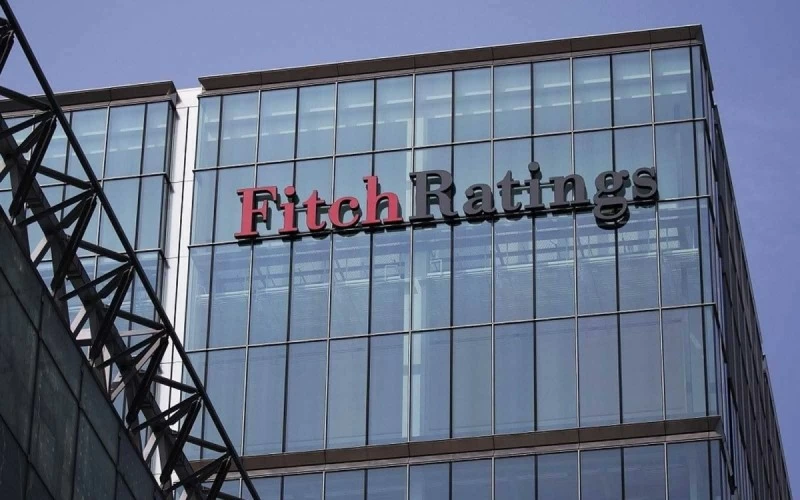
أعلنت وكالة فيتش للتصنيف الائتماني، أنه من غير المرجح أن يكون للصراع الإقليمي الذي أعقب الهجمات التي شنتها إسرائيل والولايات المتحدة على إيران، تأثير كبير على التصنيفات الائتمانية للبنوك السعودية.
وأوضحت الوكالة في تقرير لها، أن ذلك يأتي نظراً لقوة رؤوس أموال البنوك السعودية وسيولتها الاحتياطية، لافتةً إلى أن الصراع قد يُصعّب على الكيانات العاملة في الدول الخليجية إصدار الديون في أسواق رأس المال الخارجية.
وأشارت إلى أن الأنظمة المصرفية في دول مجلس التعاون الخليجي لا تواجه سوى مخاطر ائتمانية فورية قليلة جراء الصراع.
دعم سيادي
وذكرت الوكالة أن التصنيفات الائتمانية للبنوك الخليجية تعتمد بشكل أساسي على توقعاتها للدعم السيادي.
وتعتقد «فيتش» أن التصنيفات السيادية للدول الخليجية تتمتع عموماً بهامشٍ كافٍ لتحمل صراع إقليمي قصير الأمد لا يتصاعد بشكل كبير، حيث لديها أصول كبيرة توفر حماية ضد أي انقطاع قصير الأجل في عائدات النفط والغاز.
وأشارت إلى أن البنوك المصنفة لديها في الدول الخليجية تتمتع عموماً بمؤشرات مالية قوية، وسيولة واحتياطيات رأسمالية وفيرة، ومن المرجح أن تحدّ هذه العوامل من أي مخاطر قد تهدد التصنيفات الائتمانية إذا استمر الصراع لأقل من شهر.
جدارة ائتمانية
ولفتت الوكالة إلى أن المخاطر الجيوسياسية لطالما شكلت عاملاً مهماً في تحديد الجدارة الائتمانية لمصدري السندات في الدول الخليجية، بما في ذلك البنوك.
ورغم أن النطاق الإقليمي الواسع للهجمات الجارية وحجمها غير مسبوقين، ترى «فيتش» أن أحد المجالات الرئيسية التي يجب مراقبتها هو قوة الظروف التشغيلية، لا سيما نمو القطاعات غير النفطية والثقة العامة في المنطقة، إذ تُعد هذه العوامل بالغة الأهمية للتصنيفات الائتمانية للبنوك.
Fitch Ratings announced that it is unlikely that the regional conflict following the attacks by Israel and the United States on Iran will have a significant impact on the credit ratings of Saudi banks.
The agency clarified in its report that this is due to the strong capital positions and liquidity reserves of Saudi banks, noting that the conflict may complicate the ability of entities operating in Gulf countries to issue debt in external capital markets.
It pointed out that the banking systems in the Gulf Cooperation Council countries face only minimal immediate credit risks as a result of the conflict.
Sovereign Support
The agency mentioned that the credit ratings of Gulf banks primarily depend on its expectations of sovereign support.
Fitch believes that the sovereign ratings of Gulf countries generally have a sufficient margin to withstand a short-term regional conflict that does not escalate significantly, as they possess substantial assets that provide protection against any short-term disruptions in oil and gas revenues.
It noted that rated banks in Gulf countries generally have strong financial indicators, ample liquidity, and capital reserves, and these factors are likely to mitigate any risks that could threaten credit ratings if the conflict lasts less than a month.
Creditworthiness
The agency pointed out that geopolitical risks have long been an important factor in determining the creditworthiness of bond issuers in Gulf countries, including banks.
Although the broad regional scope and scale of the ongoing attacks are unprecedented, Fitch sees that one of the key areas to monitor is the strength of operational conditions, particularly the growth of non-oil sectors and public confidence in the region, as these factors are critical for the credit ratings of banks.
للمزيد من المقالات
اضغط هنا