
خبيرة صحة تحذر: 3 مجموعات غذائية ترفع الكوليسترول وتضر القلب – أخبار السعودية
كشفت الأستاذة المشاركة في قسم طب الأطفال بمعهد صحة الأم والطفل في جامعة بيروغوف الدكتورة أولغا تاراسوفا، عن ثلاث مجموعات غذائية تُعد الأكثر خطراً على صحة القلب والأوعية الدموية، نظراً لقدرتها على رفع مستويات الكوليسترول الضار في الدم وتعزيز الالتهاب الداخلي.
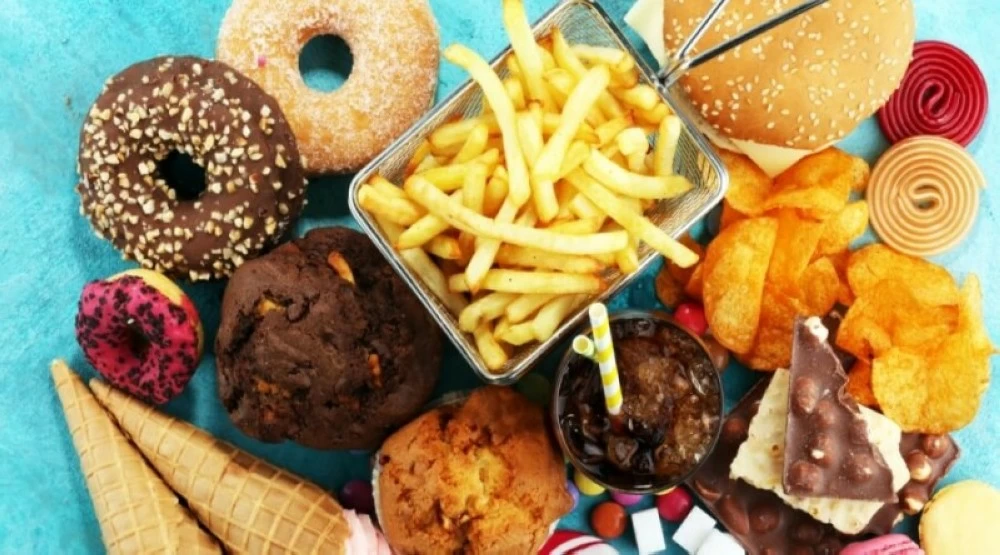
وأوضحت تاراسوفا أن الدهون المتحولة تأتي في صدارة المواد الأكثر ضرراً، إذ تُحوَّل الزيوت النباتية صناعياً إلى صورة صلبة، ما يجعلها قادرة على رفع مستوى البروتين الدهني منخفض الكثافة (LDL) وخفض البروتين الدهني عالي الكثافة (HDL)، إضافة إلى تعزيز الالتهاب الذي يسرّع تلف الأوعية الدموية. وتشمل أبرز مصادرها السمن النباتي، والمخبوزات التجارية الرخيصة، والبطاطس ورقائق الشيبس المقلية، والأطعمة السريعة، وبعض أنواع الفشار الجاهز والحلويات.
أما الدهون المشبعة، فتتسبب عند الإفراط في تناولها بزيادة إنتاج الكوليسترول في الكبد. وتشمل مصادرها اللحوم الحمراء الدهنية، والزبدة، وزيوت مثل زيت النخيل وجوز الهند، ومنتجات الألبان كاملة الدسم، بما فيها الأجبان التي تتجاوز نسبة الدهون فيها 30%. ورغم ذلك، تؤكد الخبيرة أن استبعاد هذه الدهون كلياً غير صحي، لأنها تدخل في تركيب الهرمونات، لكن يجب ألا تتجاوز 7–10% من إجمالي السعرات اليومية.
وأما المجموعة الثالثة هي الكربوهيدرات سهلة الهضم والسكر المضاف، ورغم خلوها من الكوليسترول إلا أن الإفراط فيها يسبب ارتفاعاً سريعاً لمستويات الأنسولين، ما يفعّل إنزيم HMG-CoA reductase المسؤول عن إنتاج الكوليسترول داخل الكبد. كما يتحول الفائض من الجلوكوز إلى دهون ثلاثية تتراكم في الدم. وتشمل هذه الفئة السكر الأبيض، والمشروبات الغازية المحلاة، والعصائر المعلبة، والخبز والمعجنات المصنوعة من الدقيق الأبيض، والأرز الأبيض، والحلويات.
وتشير هذه findings إلى أهمية الوعي الغذائي ومراقبة مصادر الدهون والكربوهيدرات في النظام اليومي، خصوصاً لدى الأشخاص الأكثر عرضة لارتفاع الكوليسترول ومضاعفاته القلبية.
Associate Professor Olga Tarasova from the Department of Pediatrics at the Pirogov Institute of Mother and Child Health revealed three food groups that are considered the most dangerous for cardiovascular health, due to their ability to raise levels of harmful cholesterol in the blood and promote internal inflammation.
Tarasova explained that trans fats top the list of the most harmful substances, as vegetable oils are artificially transformed into a solid form, which makes them capable of raising low-density lipoprotein (LDL) levels and lowering high-density lipoprotein (HDL) levels, in addition to promoting inflammation that accelerates vascular damage. The main sources include margarine, cheap commercial baked goods, fried potatoes and chips, fast food, some types of ready-made popcorn, and sweets.
As for saturated fats, excessive consumption leads to increased cholesterol production in the liver. Their sources include fatty red meats, butter, oils such as palm and coconut oil, and full-fat dairy products, including cheeses that exceed 30% fat content. However, the expert emphasizes that completely excluding these fats is unhealthy, as they are involved in hormone composition, but they should not exceed 7–10% of total daily calories.
The third group consists of easily digestible carbohydrates and added sugars. Although they are free of cholesterol, excessive intake causes a rapid rise in insulin levels, which activates the enzyme HMG-CoA reductase responsible for cholesterol production in the liver. Additionally, excess glucose is converted into triglycerides that accumulate in the blood. This category includes white sugar, sweetened soft drinks, canned juices, bread and pastries made from white flour, white rice, and sweets.
These findings highlight the importance of nutritional awareness and monitoring sources of fats and carbohydrates in the daily diet, especially for individuals more susceptible to high cholesterol and its cardiac complications.
للمزيد من المقالات
اضغط هنا