
رئيس تحرير «الأهرام» السابق: الصحافة الورقية لا تزال عنصراً فاعلاً.. لكنها مطالبة بأن تقود المنصات الرقمية باحترافية – أخبار السعودية
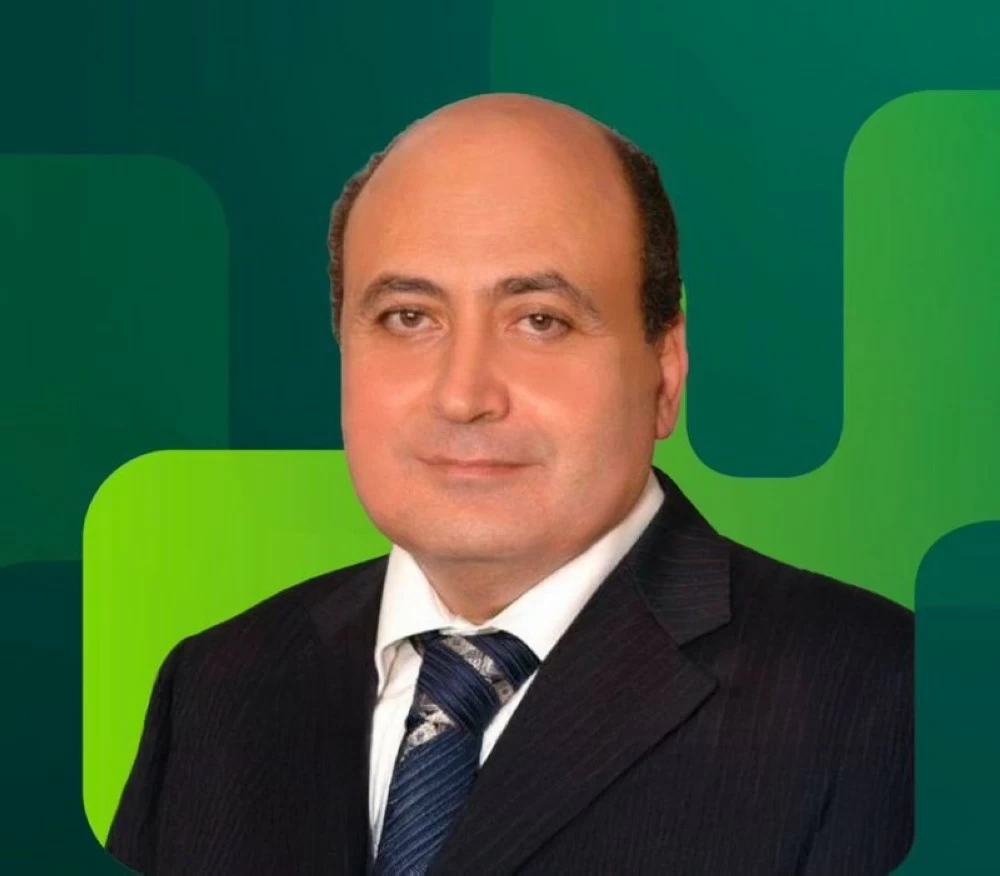
شهدت جلسة «الصحافة المتجددة في البيئة الرقمية»، ضمن فعاليات المنتدى السعودي للإعلام 2026 حضوراً لافتاً، وقدّم خلالها رئيس تحرير الأهرام السابق وكاتب العمود اليومي «حكاية فكرة» أسامة سرايا رؤية شاملة لمستقبل مهنة الصحافة، في ظل التحولات الرقمية المتسارعة، مؤكداً أن الذكاء الاصطناعي لم يعد مجرد أداة تقنية، بل قضية إنسانية وأخلاقية تتطلب قدراً عالياً من التوازن في التعامل معها، دون تهويل أو إنكار.
وأكد سرايا أن التكنولوجيا باتت واقعاً لا يمكن تجاوزه، إلا أن السلوك الإنساني أبطأ من سرعة تطور الآلة، ما يفرض ضرورة تحقيق توازن دقيق بين التجديد التقني والحفاظ على البعد الإنساني في العمل الصحفي، محذراً من أن ترك القيادة للخوارزميات قد يسلب الإنسان دوره في الفهم والتفسير وصناعة المعنى.
وقال إن الصحافة في جوهرها ليست سباقاً مع السرعة، ولا منافسة مع الخوارزميات، بل قدرة على الإقناع والتفسير وقراءة ضمير المجتمع، والصحفي الحقيقي لا يجري خلف «الترند»، بل يصنع الفكرة ويقود الحوار العام بمسؤولية ووعي، ويحوّل القصة الصحفية من مجرد خبر عابر إلى محتوى معرفي يعزز الفهم الإنساني للواقع.
محلل بيانات وصانع أفكار
وأوضح أن الصحفي في العصر الرقمي لم يعد ناقلاً للمعلومة فحسب، بل تطوّر إلى محلل بيانات، وصانع أفكار، ومدير للنقاش المجتمعي، وقادر على تحويل القصة الصحفية إلى فيلم وثائقي مؤثر، أو «بودكاست» يتجاوز السطح إلى عمق القضايا، داعياً إلى تأسيس الأجيال الجديدة بالأدوات النقدية لفهم الخوارزميات، حتى لا تتحول الآلة إلى قوة تقود الإنسان بدلاً من أن تكون أداة في يده.
وأشار سرايا إلى أن الصحافة الورقية لا تزال عنصراً فاعلاً في أي مجتمع، وتسهم في الحفاظ على تماسكه وقيمه بنسب متفاوتة، لكنها مطالبة اليوم بأن تقود المنصات الرقمية، لا أن تكون تابعة لها، في وقت يواجه القطاع تحديات اقتصادية كبرى، نتيجة انهيار النموذج الربحي التقليدي، وهجرة الإعلانات والتوزيع إلى البيئة الرقمية.
وأكد الحاجة إلى مؤسسات صحفية قوية تحمي الصحفي من المشتتات الرقمية، وتدافع عن سيادة المحتوى، وتدير الحوار مع منصات العصر الجديد، دون السماح باستباحة المنتج الصحفي وتحويله إلى مادة عامة بلا قيمة، مشدداً على أن المعلومة الحقيقية لها ثمن ودور ورسالة، وأن المجتمع شريك في دعم المحتوى المهني، والاستعداد لدفع مقابل المعرفة الموثوقة.
واختتم سرايا حديثه بالتأكيد على أن التحدي الحقيقي في الحروب القادمة لن يكون تقنياً فقط، بل معركة تدور على حرية الإنسان وهويته في زمن الرقمنة، داعياً إلى قيادة الذكاء الاصطناعي بوعي وتشريعات تحمي الإنسان، وتحافظ على الهوية المهنية للصحافة، بعد أن هدمت البيئة التقنية الجدار بين غرفة الأخبار والجمهور، مشيراً إلى أن النادر إذا أُحسن تقديمه حافظ على استدامته وبقائه.
The session “Renewed Journalism in the Digital Environment,” part of the Saudi Media Forum 2026, witnessed remarkable attendance. During this session, the former editor-in-chief of Al-Ahram and the author of the daily column “The Story of an Idea,” Osama Saraya, presented a comprehensive vision for the future of the journalism profession amid rapid digital transformations, emphasizing that artificial intelligence is no longer just a technical tool but a humanitarian and ethical issue that requires a high degree of balance in dealing with it, without exaggeration or denial.
Saraya affirmed that technology has become an unavoidable reality, yet human behavior is slower than the pace of machine development, which necessitates achieving a delicate balance between technological renewal and maintaining the human dimension in journalistic work. He warned that leaving leadership to algorithms could strip humans of their role in understanding, interpreting, and creating meaning.
He stated that journalism, at its core, is not a race against speed or a competition with algorithms; rather, it is the ability to persuade, interpret, and read the conscience of society. A true journalist does not chase “trends” but creates ideas and responsibly leads public dialogue with awareness, transforming journalistic stories from mere fleeting news into knowledge content that enhances human understanding of reality.
Data Analyst and Idea Maker
He explained that the journalist in the digital age is no longer just a transmitter of information but has evolved into a data analyst, idea maker, and manager of societal discussions, capable of transforming journalistic stories into impactful documentaries or podcasts that delve deeper into issues. He called for equipping new generations with critical tools to understand algorithms, so that machines do not become a force that leads humans instead of being a tool in their hands.
Saraya pointed out that print journalism remains an active element in any society, contributing to its cohesion and values to varying degrees. However, it is now required to lead digital platforms rather than being subordinate to them, at a time when the sector faces major economic challenges due to the collapse of the traditional profit model and the migration of advertising and distribution to the digital environment.
He emphasized the need for strong journalistic institutions that protect journalists from digital distractions, defend the sovereignty of content, and manage dialogue with the platforms of the new era, without allowing the journalistic product to be trivialized and turned into worthless general material. He stressed that real information has a price, role, and message, and that society is a partner in supporting professional content, ready to pay for reliable knowledge.
Saraya concluded his remarks by asserting that the real challenge in the coming wars will not be merely technical but a battle over human freedom and identity in the age of digitization. He called for leading artificial intelligence with awareness and legislation that protects humans and preserves the professional identity of journalism, after the technological environment has dismantled the wall between the newsroom and the public, noting that what is rare, if well presented, maintains its sustainability and existence.
للمزيد من المقالات
اضغط هنا
التعليقات