
هل تُعيد الإصابات تشكيل قوة الهيكل البشري؟ – أخبار السعودية
تُظهر دراسات طبية حديثة، أن العظام ليست مجرد بنية صلبة تحمل الجسد، بل نسيج حيّ قادر على التفاعل مع الضغوط والإصابات بطريقة أقرب إلى «التعلّم الحيوي»، حيث تعيد ترتيب بنيتها الداخلية استجابة لما تتعرض له من إجهاد أو كسور متكررة.
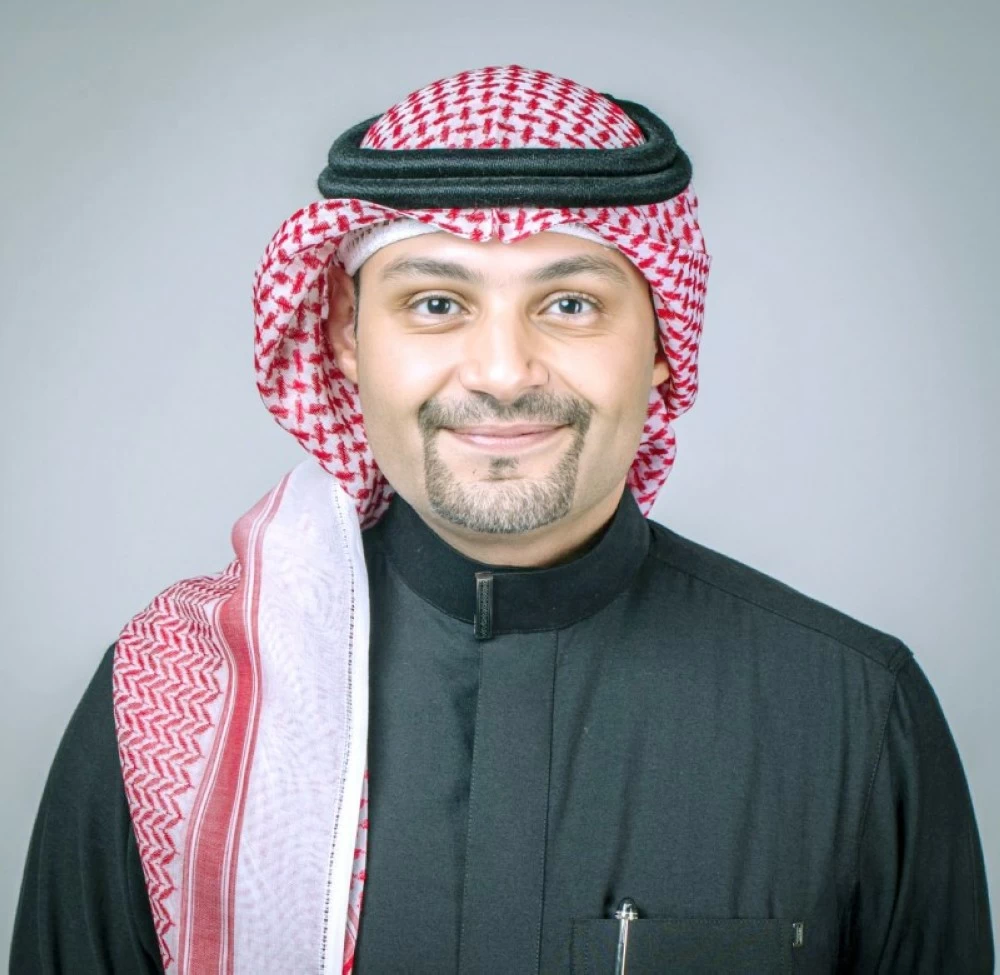
وأوضح استشاري جراحة العظام والمفاصل والعمود الفقري الدكتور فهد عبدالجبار، أن العظم عند تعرضه للكسر أو الضغط لا يكتفي بالالتئام التقليدي، بل يدخل في عملية إعادة بناء دقيقة تُعرف علمياً باسم «إعادة تشكيل العظام»، تعمل خلالها خلايا متخصصة على إزالة الأنسجة الضعيفة واستبدالها بأنسجة أكثر صلابة في المناطق المعرضة للإجهاد.
وأشار إلى أن هذه الآلية تفسّر ارتفاع كثافة العظام لدى الرياضيين مقارنة بغيرهم، نتيجة التحفيز المستمر الناتج عن الحركة والتمارين، كما تفسّر في كثير من الحالات لماذا يصبح موضع الكسر السابق أكثر قوة بعد اكتمال الشفاء. وتُعد هذه الاستجابة الحيوية أحد أسرار قدرة الهيكل العظمي على التكيّف مع متطلبات الحياة اليومية والأنشطة البدنية المختلفة.
وفي المقابل، حذّر المختص من أن نمط الحياة الخامل يُضعف هذه القدرة التكيفية، إذ تؤدي قلة الحركة إلى انخفاض التحفيز الميكانيكي للعظام، ما يسرّع فقدان الكتلة العظمية ويرفع احتمالات الإصابة بالهشاشة مع التقدم في العمر. وأكد، أن العظام «تستجيب للحركة كما تستجيب العضلات»، وأن النشاط البدني المنتظم يُعد رسالة بيولوجية مباشرة تحفّزها على الحفاظ على قوتها وكثافتها.
Recent medical studies show that bones are not just a solid structure that supports the body, but a living tissue capable of interacting with stress and injuries in a way akin to “biological learning,” as they rearrange their internal structure in response to the stress or repeated fractures they experience.
Dr. Fahd Abdul Jabbar, a consultant in orthopedic surgery, joints, and spine, explained that when a bone is subjected to a fracture or pressure, it does not merely heal in the traditional sense, but enters a precise rebuilding process scientifically known as “bone remodeling,” during which specialized cells remove weak tissue and replace it with stronger tissue in areas exposed to stress.
He pointed out that this mechanism explains the higher bone density in athletes compared to others, due to the continuous stimulation resulting from movement and exercise. It also explains in many cases why the site of a previous fracture becomes stronger after healing is complete. This biological response is one of the secrets of the skeletal system’s ability to adapt to the demands of daily life and various physical activities.
Conversely, the specialist warned that a sedentary lifestyle weakens this adaptive ability, as a lack of movement leads to decreased mechanical stimulation of the bones, accelerating the loss of bone mass and increasing the likelihood of osteoporosis with aging. He emphasized that bones “respond to movement just as muscles do,” and that regular physical activity serves as a direct biological message that stimulates them to maintain their strength and density.
للمزيد من المقالات
اضغط هنا
التعليقات