
الصحة النفسية ترفع خطر السكري.. دراسة تكشف العلاقة الخفية – أخبار السعودية
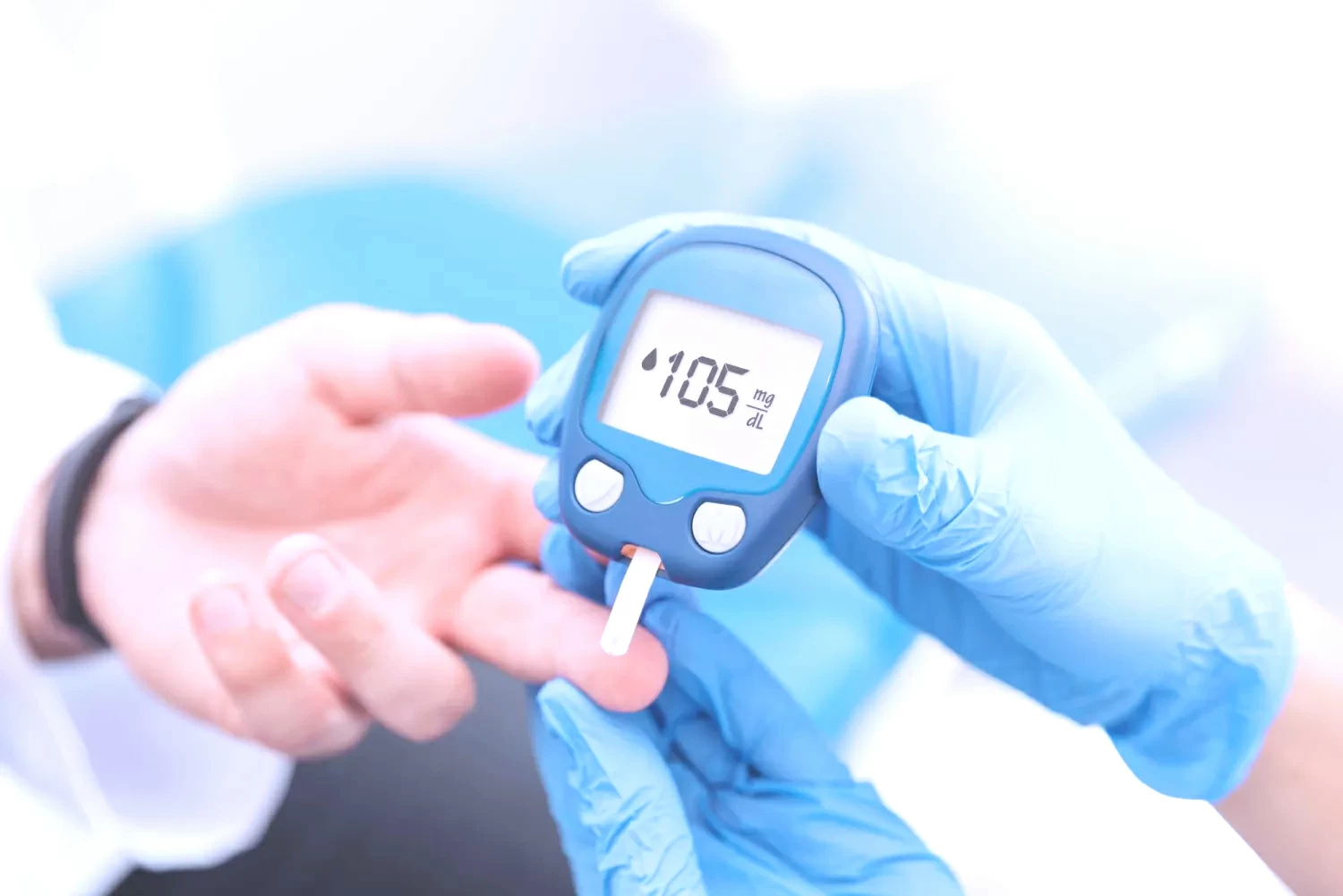
كشفت دراسة حديثة، أن الاضطرابات النفسية، مثل التوتر والقلق، قد ترفع خطر الإصابة بمرض السكري بنسبة ملحوظة، في مؤشر جديد على الترابط العميق بين الصحة النفسية والجسدية، إذ أوضحت النتائج، أن الضغوط المزمنة لا تؤثر فقط على الحالة المزاجية، بل تمتد إلى إحداث تغيّرات فسيولوجية مباشرة في الجسم، بحسب ما ذكر في تقرير علمي حديث حول العلاقة بين التوتر وتنظيم السكر في الدم.
وأظهرت المعطيات، أن ارتفاع مستويات التوتر يؤدي إلى زيادة إفراز هرمونات مثل الكورتيزول، وهو ما يرفع مستويات السكر في الدم ويؤثر على قدرة الجسم على استخدام الإنسولين بكفاءة، ما يهيئ بيئة مناسبة للإصابة بالسكري مع مرور الوقت.
كما أشارت النتائج إلى أن الالتهابات المرتبطة بالحالة النفسية تلعب دوراً إضافياً في هذه العلاقة، إذ تسهم في إضعاف الاستجابة الأيضية، ما يعزز من خطر الإصابة، خصوصاً لدى من يعانون ضغوطاً نفسية مستمرة أو اضطرابات مزمنة.
وتتوافق هذه النتائج مع ما تشير إليه الأدبيات الطبية، التي تؤكد أن التوتر والقلق والاكتئاب تؤثر بشكل مباشر وغير مباشر على مستويات السكر، سواء عبر التأثير الهرموني أو من خلال تغيير السلوكيات الصحية مثل النوم والنشاط البدني والنمط الغذائي.
ويحذر مختصون من تجاهل الجانب النفسي في الوقاية من السكري، مؤكدين أن تحسين الصحة النفسية لا يقل أهمية عن الحمية أو النشاط البدني، بل يعد جزءاً أساسياً من إستراتيجية الوقاية والسيطرة على المرض.
A recent study revealed that mental disorders, such as stress and anxiety, may significantly increase the risk of developing diabetes, indicating a deep connection between mental and physical health. The results showed that chronic stress not only affects mood but also leads to direct physiological changes in the body, according to a recent scientific report on the relationship between stress and blood sugar regulation.
The data indicated that elevated stress levels lead to increased secretion of hormones such as cortisol, which raises blood sugar levels and affects the body’s ability to use insulin efficiently, creating a suitable environment for diabetes to develop over time.
The results also pointed out that inflammation associated with mental health plays an additional role in this relationship, as it contributes to weakening metabolic response, thereby increasing the risk, especially among those who experience ongoing psychological stress or chronic disorders.
These findings align with what medical literature indicates, confirming that stress, anxiety, and depression directly and indirectly affect blood sugar levels, either through hormonal influence or by altering health behaviors such as sleep, physical activity, and dietary patterns.
Experts warn against neglecting the psychological aspect in diabetes prevention, emphasizing that improving mental health is just as important as diet or physical activity, and is indeed an essential part of the strategy for preventing and managing the disease.
للمزيد من المقالات
اضغط هنا