
محمد علي قدس.. سيرة سردية بين التحول والالتزام الثقافي – أخبار السعودية
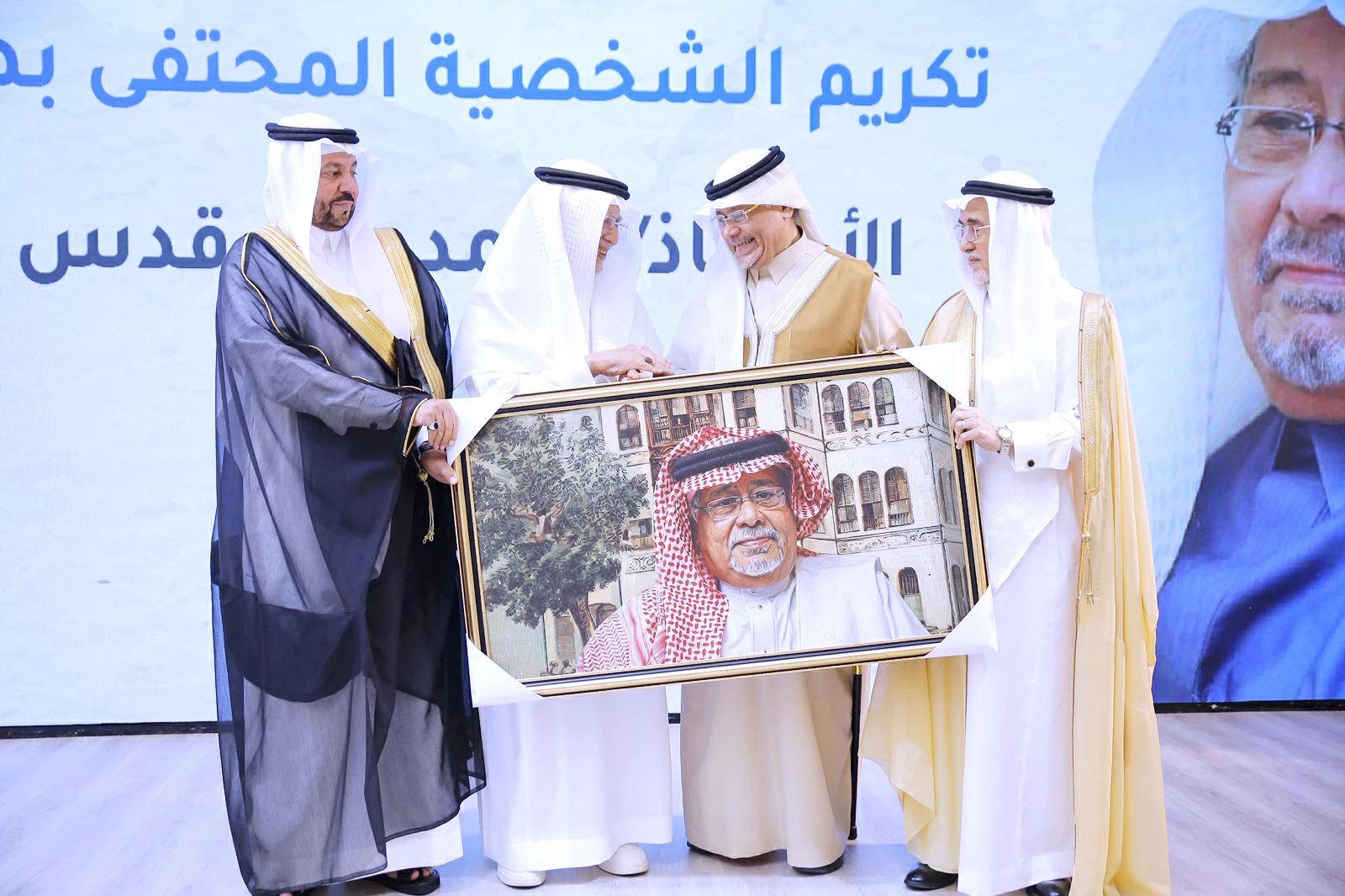
تجاوز المشهد الثقافي، في ملتقى قراءة النص، الاحتفاء بتكريم القاص محمد علي قدس إلى قراءة تجربته بتمعن، بوصفها استدعاءً لسيرة سردية تشكلت على مهل، وتقاطعت فيها التحولات الشخصية مع التحولات الثقافية في المملكة، ليبرز اسمه كأحد الأصوات التي اشتغلت على الحكاية بوصفها بناءً معرفياً، لا مجرد تعبير أدبي عابر.
قدس لا يُقرأ باعتباره كاتب قصة فقط، بل كحالة ثقافية عايشت مراحل متعددة من تشكل المشهد الأدبي، وأسهمت في إعادة تعريف العلاقة بين النص والواقع. تجربته لم تقم على الانفصال عن محيطها، بل على التفاعل معه؛ حيث تبدو مكة وجدة في نصوصه ليستا مكانين بقدر ما هما فضاءان دلاليان يتشكل فيهما الوعي، وتُعاد صياغة التفاصيل اليومية بلغة سردية تميل إلى الاقتصاد دون أن تفقد عمقها.
وفي الندوة المصاحبة للتكريم «حارس التفاصيل»، اتجهت القراءات النقدية إلى تفكيك بنية نصوصه، مشيرة إلى أن أحد أبرز ملامح تجربته هو انشغاله بالتفاصيل الصغيرة بوصفها مفاتيح لفهم تحولات أكبر، وهو ما جعله قريباً من القارئ دون أن يساوم على القيمة الفنية. كما طُرحت تجربته الإدارية في العمل الثقافي كامتداد لدوره الإبداعي، حيث لم يكتف بإنتاج النص، بل شارك في صناعة البيئة التي تحتضنه.
هذا التكريم، في سياقه الأوسع، لا يضع «قدس» في موقع التتويج، بقدر ما يعيد تقديمه كجزء من جيل أسهم في ترسيخ ملامح السرد السعودي، جيل اشتغل بصمت نسبي، لكنه ترك أثراً واضحاً في بنية الحكاية المحلية، وفي انتقالها من التوثيق إلى التأمل، ومن السرد المباشر إلى بناء العوالم.
The cultural scene at the Text Reading Forum went beyond merely celebrating the honor of the short story writer Muhammad Ali Quds; it delved into a careful reading of his experience, viewing it as a summons of a narrative biography that has developed gradually, intersecting personal transformations with cultural shifts in the kingdom. His name stands out as one of the voices that have worked on storytelling as a cognitive structure, rather than just a fleeting literary expression.
Quds is not read merely as a short story writer, but as a cultural case that has experienced multiple stages in the formation of the literary scene and contributed to redefining the relationship between text and reality. His experience is not based on separation from its surroundings, but rather on interaction with it; where Mecca and Jeddah in his texts appear not just as places but as semantic spaces where consciousness is formed, and daily details are restructured in a narrative language that tends towards economy without losing its depth.
In the accompanying seminar to the honor, “Guardian of Details,” critical readings focused on deconstructing the structure of his texts, noting that one of the most prominent features of his experience is his preoccupation with small details as keys to understanding larger transformations, which has made him close to the reader without compromising on artistic value. His administrative experience in cultural work was also presented as an extension of his creative role, as he did not only produce texts but also participated in creating the environment that embraces them.
This honor, in its broader context, does not place “Quds” in a position of crowning, but rather re-presents him as part of a generation that contributed to solidifying the features of Saudi narrative—a generation that worked with relative silence, yet left a clear impact on the structure of local storytelling, and in its transition from documentation to contemplation, and from direct narration to building worlds.
للمزيد من المقالات
اضغط هنا