
لماذا أرجأ مجلس الأمن التصويت على استخدام القوة لحماية مضيق هرمز؟ – أخبار السعودية
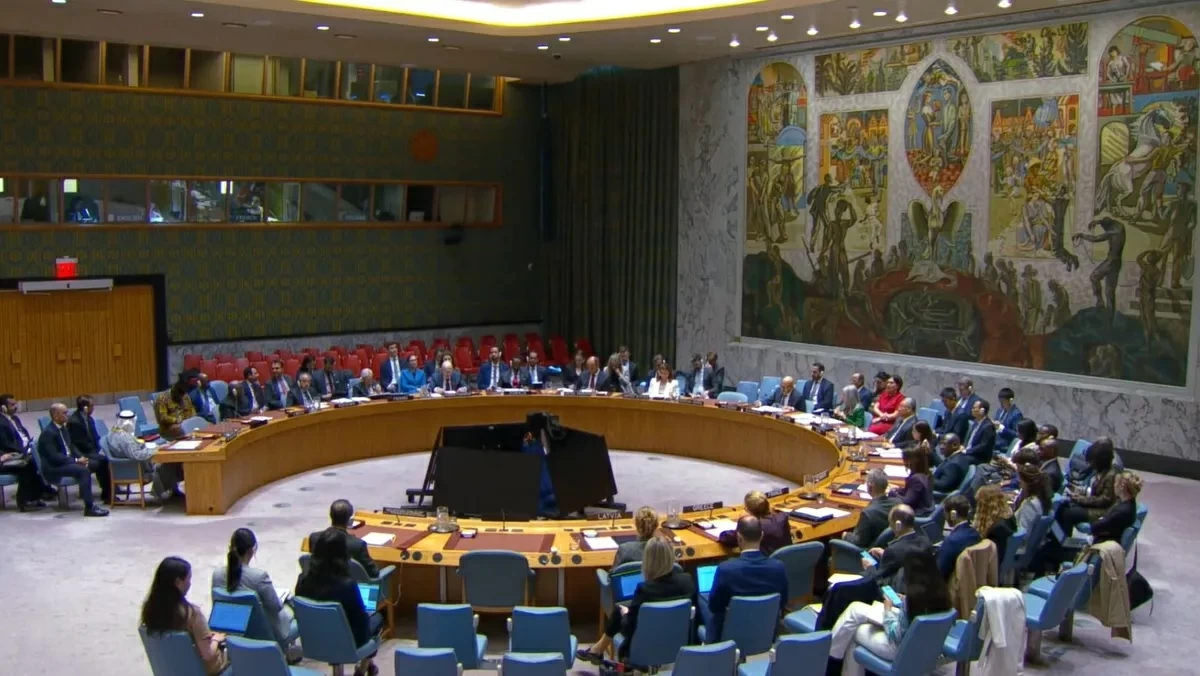
أرجأ مجلس الأمن الدولي التابع للأمم المتحدة التصويت الذي كان مقرراً، اليوم (الجمعة)، على مشروع قرار قدمته البحرين يجيز استخدام القوة «الدفاعية» لحماية الملاحة في مضيق هرمز من الهجمات الإيرانية بحسب البرنامج الرسمي، فيما حذرت إيران مجلس الأمن من أي خطوة «استفزازية» قبل التصويت على النص.
«الجمعة العظيمة».. السبب
وقال وزير الخارجية الإيراني عباس عراقجي إن «أي خطوة استفزازية، بما في ذلك داخل مجلس الأمن التابع للأمم المتحدة، في ما يتعلّق بالوضع في مضيق هرمز، لن تؤدي إلا إلى تعقيد الوضع أكثر».
وكان من المقرر أن يصوت المجلس المكون من 15 عضواً، صباح الجمعة، على مشروع قرار قدمته البحرين، لكن ليل الخميس تغير الجدول الزمني. وعزت الأمم المتحدة السبب إلى أن «الجمعة العظيمة» تعتبر عطلة رسمية، وفقاً لمصادر دبلوماسية، رغم أن هذه الحقيقة كانت معروفة عندما أعلن موعد التصويت. ولم يحدد موعد جديد للتصويت على النص.
استمر إغلاق مضيق هرمز
وفرضت إيران حصاراً على مضيق هرمز الحيوي رداً على الضربات الأمريكية الإسرائيلية التي أشعلت فتيل حرب الشرق الأوسط، وهو ما يهدد إمدادات الوقود ويزعزع الاقتصاد العالمي.
وحذّر المندوب الدائم لمملكة البحرين لدى الأمم المتحدة السفير جمال الرويعي هذا الأسبوع من «استمرار هذا الوضع، وأن يكون هناك خنق وإرهاب اقتصادي على بلداننا، وأيضاً على العالم». وقال إن النص الذي خضع لتعديلات عدة والمدعوم من الولايات المتحدة «يأتي في توقيت حساس ومهم».
فيما دعا الرئيس الأمريكي دونالد ترمب الأربعاء الدول التي تعاني نقصاً في الوقود إلى «الذهاب للحصول على نفطها» في مضيق هرمز، مضيفاً أن القوات الأمريكية لن تساعدها في ذلك.
ضمان سلامة السفن
وتجيز المسودة السادسة والأخيرة من النص للدول الأعضاء، إما من جانب واحد أو «كشراكات بحرية طوعية متعددة الجنسيات»، استخدام «كل الوسائل الدفاعية اللازمة والمتناسبة مع الظروف» لضمان سلامة السفن.
وينطبق ذلك على المضيق والمياه المجاورة «لتأمين عبور ترانزيت وردع محاولات إغلاق أو عرقلة أو التدخل بأي شكل من الأشكال في الملاحة الدولية عبر مضيق هرمز». ويفترض أن يستمر هذا الإجراء لمدة ستة أشهر على الأقل. لكن مشروع القرار لا يلقى إجماعاً.
الصين وروسيا ترفضان
وقالت الصين في مجلس الأمن إن «السماح للدول الأعضاء في الظروف الراهنة باستخدام كلّ ما يلزم من تدابير.. من شأنه أن يؤدّي إلى تصعيد إضافي»، فيما ندّدت روسيا بنصّ «متحيّز».
واعتبر الرئيس الفرنسي إيمانويل ماكرون أن عملية عسكرية لـ«تحرير» المضيق الإستراتيجي هي «غير واقعية»، إذ إن الأمر «سيتطلب وقتاً طويلاً للغاية، وسيعرّض كلّ من يعبر المضيق لتهديدات».
وقبل إغلاقه، كان يمر نحو خُمس النفط والغاز الطبيعي المسال في العالم عبر مضيق هرمز.
وتُعد قرارات مجلس الأمن التي تخول الدول الأعضاء استخدام القوة نادرة نسبياً.
The United Nations Security Council postponed the vote that was scheduled for today (Friday) on a draft resolution submitted by Bahrain that permits the use of “defensive” force to protect navigation in the Strait of Hormuz from Iranian attacks, according to the official agenda, while Iran warned the Security Council against any “provocative” step before voting on the text.
“Good Friday” .. The Reason
Iranian Foreign Minister Abbas Araghchi stated that “any provocative step, including within the United Nations Security Council, regarding the situation in the Strait of Hormuz, will only complicate the situation further.”
The 15-member council was scheduled to vote on the draft resolution submitted by Bahrain on Friday morning, but the schedule changed on Thursday night. The United Nations attributed the reason to the fact that “Good Friday” is considered an official holiday, according to diplomatic sources, even though this fact was known when the voting date was announced. No new date for voting on the text has been set.
The Closure of the Strait of Hormuz Continues
Iran has imposed a blockade on the vital Strait of Hormuz in response to American and Israeli strikes that have ignited the fuse of war in the Middle East, threatening fuel supplies and destabilizing the global economy.
Bahrain’s permanent representative to the United Nations, Ambassador Jamal Al-Ruwaie, warned this week of “the continuation of this situation, and the choking and economic terrorism on our countries, and also on the world.” He stated that the text, which has undergone several amendments and is supported by the United States, “comes at a sensitive and important time.”
Meanwhile, U.S. President Donald Trump on Wednesday urged countries suffering from fuel shortages to “go get their oil” in the Strait of Hormuz, adding that U.S. forces would not assist them in doing so.
Ensuring the Safety of Ships
The sixth and final draft of the text allows member states, either unilaterally or “as voluntary multinational maritime partnerships,” to use “all necessary and proportionate defensive means according to the circumstances” to ensure the safety of ships.
This applies to the strait and the adjacent waters “to secure transit passage and deter attempts to close, obstruct, or interfere in any way with international navigation through the Strait of Hormuz.” This measure is expected to last for at least six months. However, the draft resolution does not have consensus.
China and Russia Reject
China stated in the Security Council that “allowing member states under the current circumstances to use all necessary measures… would lead to further escalation,” while Russia condemned the text as “biased.”
French President Emmanuel Macron considered a military operation to “liberate” the strategic strait as “unrealistic,” stating that it “would take an extremely long time and would expose anyone crossing the strait to threats.”
Before its closure, about one-fifth of the world’s oil and liquefied natural gas passed through the Strait of Hormuz.
Decisions by the Security Council authorizing member states to use force are relatively rare.
للمزيد من المقالات
اضغط هنا