
مع تفاؤل بقرب انتهاء الحرب.. هل تراجعت أسعار الحبوب؟ – أخبار السعودية
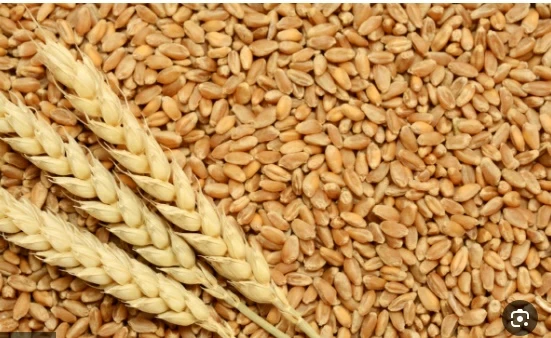
تراجعت أسعار الحبوب في شيكاغو بعد مكاسب سابقة، وسط تفاؤل بأن الحرب في الشرق الأوسط قد تقترب من نهايتها.
وخلال الأيام الماضية، انخفضت أسعار النفط، التي كانت من بين العوامل المحركة لأسعار الحبوب والبذور الزيتية أخيراً.
وانخفض القمح اليوم بنسبة وصلت إلى 2.4%، وهو أكبر تراجع في أكثر من أسبوع، كما تراجعت أسعار الذرة وفول الصويا بنسبة 0.5% و1.1% على التوالي.
إغلاق «هرمز»
مع ذلك، سجل المؤشر الفرعي الفوري للحبوب لدى «بلومبرغ» زيادة شهرية ثالثة في مارس، مرتفعاً بنسبة 2.6%. وخنقت الحرب والإغلاق الفعلي لمضيق هرمز تدفقات الأسمدة والوقود من الشرق الأوسط، ما رفع تكاليف المدخلات للمزارعين حول العالم. كما أدّت أسعار النفط المرتفعة إلى زيادة الطلب على بدائل الوقود الأحفوري.
وكتب كبير اقتصاديي السلع في إحدى الشركات المتخصصة أرلان سودرمان: «إن سوق الحبوب تستوعب تقرير خطط الزراعة الصادر عن وزارة الزراعة الأمريكية، الذي أفاد بأن إجمالي المساحات المزروعة بالقمح والذرة وفول الصويا في الولايات المتحدة جاء أقل من المتوقع بنحو مليون فدان». وأشار إلى أن انخفاض مساحات القمح يتماشى مع اتجاه عالمي.
Grain prices in Chicago fell after previous gains, amid optimism that the war in the Middle East may be nearing its end.
In recent days, oil prices have declined, which was among the factors driving grain and oilseed prices recently.
Wheat prices dropped today by as much as 2.4%, marking the largest decline in over a week, while corn and soybean prices fell by 0.5% and 1.1% respectively.
Closure of “Hormuz”
Nevertheless, the Bloomberg spot grain index recorded a third consecutive monthly increase in March, rising by 2.6%. The war and the effective closure of the Strait of Hormuz have strangled the flow of fertilizers and fuel from the Middle East, raising input costs for farmers worldwide. Additionally, high oil prices have increased demand for alternatives to fossil fuels.
Arlan Suderman, chief commodities economist at a specialized firm, wrote: “The grain market is absorbing the USDA’s planting intentions report, which indicated that total planted acreage of wheat, corn, and soybeans in the United States came in about a million acres below expectations.” He noted that the decline in wheat acreage aligns with a global trend.
للمزيد من المقالات
اضغط هنا