
حماية صارمة ورقابة مشددة وتنظيم شامل للمراكز الأهلية – أخبار السعودية
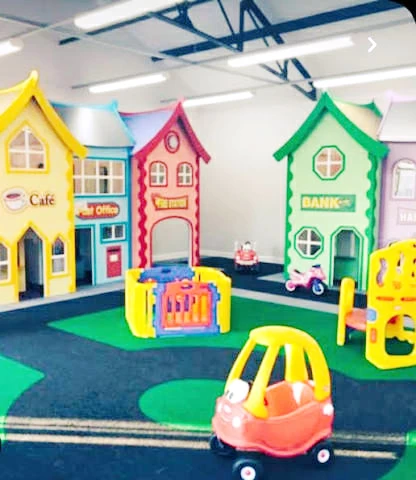
طرحت وزارة الموارد البشرية والتنمية الاجتماعية مسودة الضوابط التنظيمية الجديدة لمراكز ضيافة الأطفال الأهلية لعام 1447، مؤكدةً ضرورة التزام المراكز بما ورد في نظام حماية الطفل، لا سيما الإبلاغ الفوري عبر القنوات المعتمدة عند الاشتباه بتعرّض أي طفل لأي شكل من أشكال الإيذاء أو الإهمال أو العنف، سواء صدر ذلك من شخص له ولاية أو سلطة على الطفل أو من غيرهم.
وتضمنت المسودة؛ تحديد مدة صلاحية التراخيص بخمس سنوات قابلة للتجديد وفق الاشتراطات، مع تصنيف المراكز إلى ثلاثة أنواع رئيسية: مراكز مستقلة، ومراكز منزلية، ومراكز داخل مقرات العمل.
كما حددت ساعات العمل؛ إذ تعمل المراكز المستقلة من 6 صباحاً حتى 9 مساءً، بينما تمتد ساعات عمل المراكز المنزلية حتى 10 مساءً، مع إمكانية العمل على مدار الساعة بموجب ترخيص خاص. وقُسّم القبول إلى ضيافة مستمرة (سنوية أو شهرية) وضيافة مؤقتة (بالساعة أو باليوم).
وشددت الضوابط على توفير مساحة لا تقل عن مترين مربعين لكل طفل في منطقة الرعاية، وتركيب كاميرات مراقبة داخلية وخارجية تعمل بشكل مستمر مع حفظ التسجيلات لمدة لا تقل عن 30 يوماً. كما اشترطت أن تكون مديرة المركز ومسؤولات الأطفال سعوديات الجنسية.
وحددت الوزارة نصاب المسؤولات وفق الفئات العمرية، بدءاً من مسؤولة لكل خمسة أطفال من حديثي الولادة، وصولاً إلى مسؤولة لكل 15 طفلاً للفئة العمرية من ست إلى عشر سنوات.
وأتاحت اللائحة قبول الأطفال من ذوي الإعاقة البسيطة بشرط تقديم تقرير طبي يثبت قابليتهم للدمج، وتوفير بيئة مجهزة بوسائل الوصول الشامل، إضافة إلى تهيئة العاملين وتزويدهم بالمعرفة اللازمة بأسس التربية الخاصة، واستقطاب كوادر مؤهلة للتعامل مع هذه الفئة، ومتابعة الخطط الفردية لتطوير مهارات الأطفال بما يحقق الدمج الفعّال.
كما ألزمت الضوابط المراكز باعتماد السياسات الواردة في المادة الـ12، والالتزام بالقيم والمبادئ الإسلامية، وإنشاء سجل خاص بالأطفال الملتحقين، وتزويد الوزارة بأي بيانات تطلبها، وتمكين المشرفين من أداء مهماتهم، وإبلاغ أولياء الأمور قبل عشرة أيام من تعليق العمل، إضافة إلى الالتزام بالأنظمة والتعليمات الرسمية.
كما شددت على السماح بدخول المصرح لهن فقط من الموظفات والمستفيدات، وتمكين الوزارة وولي الأمر من الاطلاع على التسجيلات عند وجود شكوى.
وفيما يتعلق بالمخالفات، نصت الآلية على تدرج يبدأ بإنذار أولي يمنح المركز مهلة 30 يوماً للتصحيح، يليه إنذار نهائي بمهلة 15 يوماً، ثم عقوبات قد تصل إلى إيقاف النشاط لمدة سنة أو سحب الترخيص.
وألزمت الوزارة المراكز القائمة حالياً بتصحيح أوضاعها خلال 180 يوماً من تاريخ نفاذ الضوابط، مع منح حق الاعتراض على العقوبات أمام المحاكم الإدارية خلال 60 يوماً من تاريخ الإبلاغ الرسمي.
The Ministry of Human Resources and Social Development has introduced a draft of the new regulatory controls for private childcare centers for the year 1447, emphasizing the necessity for centers to comply with the provisions of the Child Protection System, particularly the immediate reporting through approved channels when there is suspicion of any child being subjected to any form of abuse, neglect, or violence, whether this comes from someone with authority over the child or from others.
The draft includes; specifying the validity period of licenses to five years, renewable according to the conditions, and classifying the centers into three main types: independent centers, home centers, and centers within workplaces.
It also defined working hours; independent centers operate from 6 AM to 9 PM, while home centers extend their working hours until 10 PM, with the possibility of operating around the clock under a special license. Admissions are divided into continuous care (annual or monthly) and temporary care (by the hour or by the day).
The regulations emphasized providing a space of no less than two square meters for each child in the care area, and installing internal and external surveillance cameras that operate continuously, with recordings kept for no less than 30 days. It also stipulated that the center director and the child care staff must be Saudi nationals.
The ministry set the staff-to-child ratio according to age groups, starting with one caregiver for every five newborns, up to one caregiver for every 15 children in the age group of six to ten years.
The regulations allowed the acceptance of children with mild disabilities, provided that a medical report is submitted proving their eligibility for integration, and ensuring an environment equipped with accessibility tools, in addition to training staff and providing them with the necessary knowledge of special education principles, recruiting qualified personnel to deal with this group, and following up on individual plans to develop children’s skills for effective integration.
The regulations also required centers to adopt the policies outlined in Article 12, adhere to Islamic values and principles, maintain a special record for enrolled children, provide the ministry with any data it requests, enable supervisors to perform their duties, and notify parents ten days prior to any suspension of operations, in addition to complying with official regulations and instructions.
It also stressed allowing entry only to authorized female employees and beneficiaries, and enabling the ministry and guardians to access recordings in case of complaints.
Regarding violations, the mechanism stipulated a gradual approach starting with an initial warning giving the center a 30-day period for correction, followed by a final warning with a 15-day period, and then penalties that may reach suspension of activities for one year or revocation of the license.
The ministry required existing centers to correct their situations within 180 days from the date of the enforcement of the regulations, granting the right to appeal against penalties before administrative courts within 60 days from the date of official notification.
للمزيد من المقالات
اضغط هنا