
مصر: اكتشاف نوع جديد من أسلاف القردة العليا يعيد رسم خريطة تطورها – أخبار السعودية
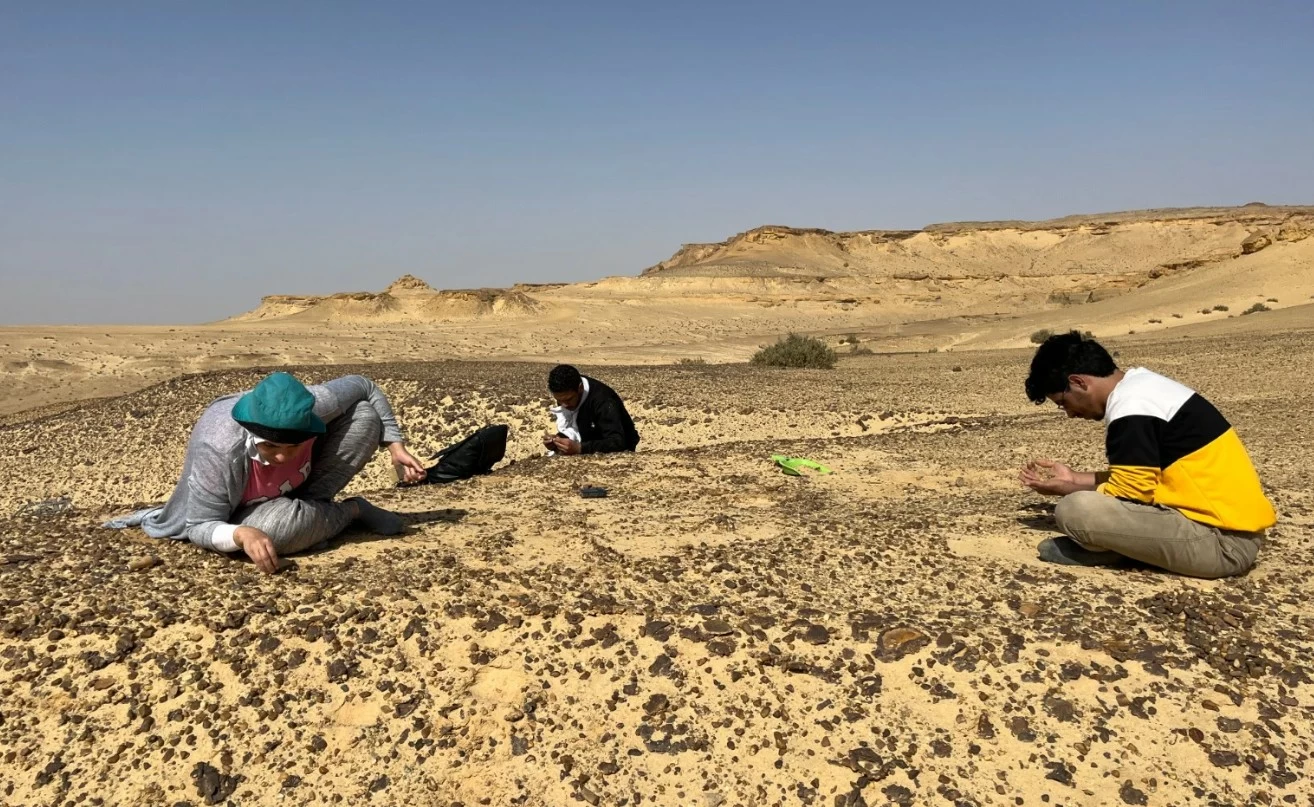
في إنجاز علمي مصري بارز، أعلن باحثون العثور على أقدم أحفورة معروفة لقردة عليا في شمال أفريقيا، وذلك في منطقة وادي المغرة شمالي مصر، في خطوة قد تعيد رسم خريطة تطور القردة والإنسان.
الدراسة، التي نُشرت في مجلة Science، كشفت بقايا فك سفلي وأسنان تعود إلى ما بين 17 و18 مليون عام، أي قبل الفترة التي يُعتقد أن القردة القديمة انتشرت خلالها من أفريقيا إلى أوراسيا، بحسب فريق مركز الجامعة للحفريات الفقارية بجامعة المنصورة في مصر.
وأطلق العلماء على النوع المكتشف اسم «مَصريبثيكس موغراينسيس» Masripithecus moghraensis، وهو اسم يجمع بين «مصر» بالعربية و«بيثيكوس» اليونانية التي تعني «قرد»، في إشارة إلى موقع الاكتشاف.
أصل جديد محتمل للقردة
تشير النتائج إلى أن أسلاف القردة العليا -التي تشمل الغوريلا والشمبانزي وإنسان اليوم- قد يكون منشؤها في شمال أفريقيا، وليس شرقها كما كان يُعتقد سابقاً، قبل أن تنتشر لاحقاً إلى أوروبا وآسيا.
وتقول المؤلفة الرئيسية للدراسة من جامعة المنصورة الدكتورة شروق الأشقر إن هذا النوع قد يكون أقرب شكل معروف إلى السلف المشترك لجميع القردة العليا الحديثة.
قصة الاكتشاف
بدأت القصة في ربيع 2024، حين كان عالم الحفريات هشام سلام يفحص قطعة غريبة من فك متحجر، وبعد مراجعات لاحقة، تبيّن أن هذه القطعة تتطابق مع جزء آخر تم العثور عليه سابقاً، ليشكلا معاً دليلاً على نوع جديد بالكامل.
وأظهرت الأسنان المكتشفة خصائص مميزة، مثل سماكة المينا وشكلها المجعد، ما يشير إلى أن هذا الكائن كان قادراً على تناول الأطعمة القاسية كالمكسرات والبذور، خصوصاً في البيئات الغابية الموسمية التي عاش فيها.
فجر القردة
ويصف العلماء تلك الحقبة بأنها «فجر القردة»، حيث ساهمت التغيرات الجيولوجية -مثل انخفاض مستوى البحار وظهور جسور برية- في انتقال هذه الكائنات من أفريقيا إلى أوراسيا، ما أدى إلى تنوع كبير في الأنواع.
ويرى الباحثون أن هذا الاكتشاف يسد فجوة مهمة في السجل الأحفوري، الذي كان يتركز بشكل كبير في شرق أفريقيا، بينما كانت الأدلة من شمال القارة نادرة للغاية.
بداية لا نهاية
من جانبه، يؤكد عالم الحفريات ديفيد ألبا أن هذا الاكتشاف يسلط الضوء على تحيز جغرافي سابق في دراسة الأحافير، بينما ترى الباحثة إلين ميلر أن هذه النتائج تمثل بداية الطريق لفهم أعمق، وليس نهايته.
ويتفق العلماء على أن المزيد من الاكتشافات في مصر وشمال أفريقيا قد تكشف أدلة إضافية تعيد تشكيل فهمنا لتاريخ تطور القردة العليا.
ويختتم سلام قائلاً إن هذه النتائج تفتح نافذة واسعة للتفكير خارج إطار شرق أفريقيا، في إشارة إلى احتمالية وجود المزيد من الأسرار المدفونة في المنطقة.
In a notable Egyptian scientific achievement, researchers announced the discovery of the oldest known fossil of a hominid in North Africa, located in the Wadi al-Maghara area in northern Egypt, a step that may redraw the map of primate and human evolution.
The study, published in the journal Science, revealed remains of a lower jaw and teeth dating back between 17 and 18 million years, which is before the period when it is believed that ancient primates spread from Africa to Eurasia, according to the team from the University of Mansoura’s Vertebrate Paleontology Center in Egypt.
The scientists named the discovered species “Masripithecus moghraensis,” a name that combines “Egypt” in Arabic and “pithecus” in Greek, meaning “monkey,” referring to the location of the discovery.
A New Potential Origin for Primates
The results suggest that the ancestors of higher primates—including gorillas, chimpanzees, and modern humans—may have originated in North Africa, rather than East Africa as previously thought, before later spreading to Europe and Asia.
The lead author of the study from the University of Mansoura, Dr. Shorouk Al-Ashqar, stated that this species may be the closest known form to the common ancestor of all modern higher primates.
The Story of the Discovery
The story began in the spring of 2024, when paleontologist Hisham Salam examined a strange piece of fossilized jaw. After subsequent reviews, it became clear that this piece matched another part found earlier, together forming evidence of an entirely new species.
The discovered teeth exhibited distinctive characteristics, such as thick enamel and a wrinkled shape, indicating that this creature was capable of consuming hard foods like nuts and seeds, especially in the seasonal forest environments it inhabited.
The Dawn of Primates
Scientists describe that era as the “dawn of primates,” where geological changes—such as falling sea levels and the emergence of land bridges—facilitated the migration of these creatures from Africa to Eurasia, leading to significant species diversity.
Researchers believe that this discovery fills an important gap in the fossil record, which has been heavily concentrated in East Africa, while evidence from the northern part of the continent has been extremely rare.
A Beginning, Not an End
For his part, paleontologist David Alba emphasizes that this discovery highlights a previous geographical bias in the study of fossils, while researcher Ellen Miller sees these results as the beginning of a path to deeper understanding, not its end.
Scientists agree that more discoveries in Egypt and North Africa may reveal additional evidence that reshapes our understanding of the history of higher primate evolution.
Salam concludes by stating that these results open a wide window for thinking beyond East Africa, hinting at the possibility of more buried secrets in the region.
للمزيد من المقالات
اضغط هنا