
بعد إغلاق «هرمز».. ما خطة الصين لمواجهة أزمة النفط؟ – أخبار السعودية
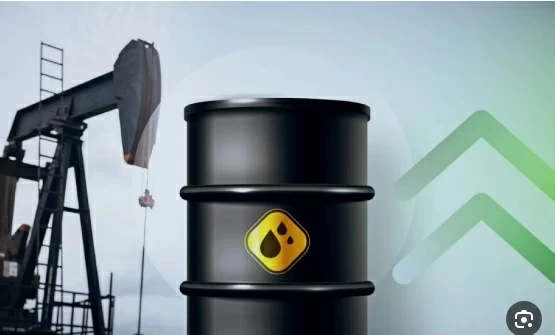
فيما تتصاعد التوترات الجيوسياسية في منطقة الشرق الأوسط والخليج تحديداً، تجد الصين نفسها أمام اختبار حقيقي لقدرتها على إدارة ملف الطاقة، في ظل اعتماد كبير على الواردات يمر جزء كبير منها عبر مضيق هرمز، أحد أكثر الممرات حساسية في العالم.
وتخوض الصين معركة هادئة لكنها معقدة لتأمين احتياجاتها من الطاقة، وبين احتياطياتها الضخمة وبدائلها غير التقليدية.
أدوات إستراتيجية
وتشير تقديرات، من بينها ما أوردته The Economist، إلى أن نحو نصف واردات الصين من النفط تمر عبر مضيق هرمز، ما يجعل أي اضطراب في هذا الشريان الحيوي تهديدًا مباشراً لأمن الطاقة لديها.
ورغم أن بكين تعد من كبار منتجي النفط، فإن حجم استهلاكها الضخم -الذي يفوق مجموع استهلاك دول كبرى- يجعلها معتمدة بشكل أساسي على الإمدادات الخارجية، وهو ما يزيد من هشاشتها أمام الصدمات الجيوسياسية.
في المقابل، لا تقف بكين مكتوفة الأيدي، إذ تعتمد على مجموعة من الأدوات الإستراتيجية لتخفيف وقع الأزمة.
“إبريق الشاي”
مصافي إبريق الشاي، هي مصافٍ مستقلة تستورد النفط، خصوصاً من إيران، بأسعار مخفضة، وغالباً ما تتم الصفقات باليوان بدل الدولار، ما يسمح بالالتفاف على العقوبات الغربية.
وتشير التقديرات إلى تدفق نحو 1.4 مليون برميل يومياً عبر هذه القنوات.
وتمتلك الصين مخزوناً إستراتيجياً من النفط يكفي لنحو 120 يوماً، ما يمنحها هامشاً من المناورة في حال تعطل الإمدادات.
خطوات استباقية
وضمن خطوات استباقية، تتجه بكين إلى تقليص أو وقف صادرات الوقود، بهدف الحفاظ على استقرار السوق الداخلية وتفادي ارتفاع الأسعار محلياً.
ورغم هذه الأدوات، تواجه الصين ضغوطاً متزايدة، أبرزها ارتفاع تكاليف الشحن والتأمين البحري، اضطراب سلاسل الإمداد العالمية، وتصاعد المنافسة على الموارد مع اقتصادات كبرى.
كما أن أي تصعيد طويل الأمد قد يدفع الأسعار إلى مستويات تضغط على النمو الاقتصادي، ليس في الصين فقط، بل عالمياً.
As geopolitical tensions escalate in the Middle East and the Gulf in particular, China finds itself facing a real test of its ability to manage the energy file, amid a significant reliance on imports, a large portion of which passes through the Strait of Hormuz, one of the most sensitive passages in the world.
China is engaged in a quiet yet complex battle to secure its energy needs, balancing its vast reserves with unconventional alternatives.
Strategic Tools
Estimates, including those reported by The Economist, indicate that nearly half of China’s oil imports pass through the Strait of Hormuz, making any disruption in this vital artery a direct threat to its energy security.
Although Beijing is one of the major oil producers, its massive consumption—exceeding the total consumption of major countries—makes it primarily dependent on external supplies, which increases its vulnerability to geopolitical shocks.
In contrast, Beijing is not standing idly by, as it relies on a range of strategic tools to mitigate the impact of the crisis.
“The Teapot
The Teapot refineries are independent refineries that import oil, particularly from Iran, at discounted prices, and transactions are often conducted in yuan instead of dollars, allowing them to circumvent Western sanctions.
Estimates suggest that about 1.4 million barrels per day flow through these channels.
China has a strategic oil reserve sufficient for about 120 days, providing it with a margin of maneuver in case of supply disruptions.
Proactive Steps
As part of proactive measures, Beijing is moving towards reducing or halting fuel exports to maintain stability in the domestic market and avoid rising prices locally.
Despite these tools, China faces increasing pressures, notably rising shipping and marine insurance costs, disruptions in global supply chains, and intensified competition for resources with major economies.
Moreover, any long-term escalation could push prices to levels that would strain economic growth, not only in China but globally.
للمزيد من المقالات
اضغط هنا
التعليقات