
حتى لا تشعر باكتئاب ما بعد العيد.. نهاية الأجواء الرمضانية وبداية روتين العمل والدراسة – أخبار السعودية
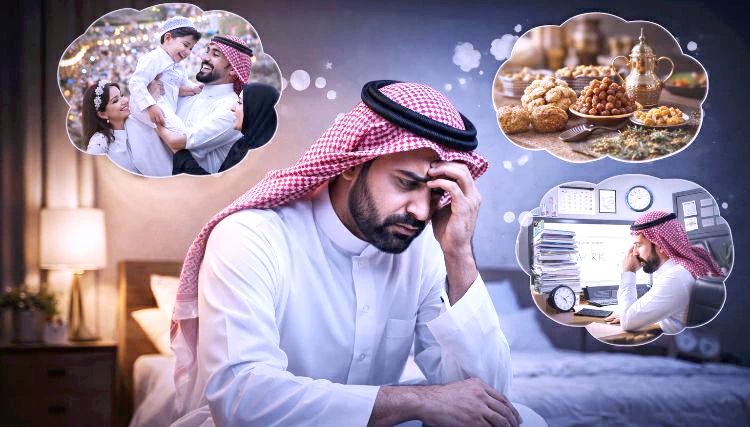
تتكرر لدى كثيرين مشاعر الفتور أو الحزن الخفيف بعد انتهاء عيد الفطر، في ظاهرة نفسية مرتبطة بالانتقال المفاجئ من أجواء رمضان والعيد إلى نمط الحياة اليومي، حيث يفقد الإنسان إيقاعاً اعتاد عليه لأسابيع، بحسب تقديرات مختصين في الصحة النفسية.
ويُعد اختلاف نمط الحياة خلال رمضان أحد أبرز الأسباب، إذ يعيش الفرد حالة من الروحانية والتواصل الاجتماعي المكثف، تتخللها العبادات واللقاءات العائلية والسهرات الهادئة، قبل أن تنتهي فجأة ليحل محلها روتين العمل والدراسة. كما يسهم انتهاء الإجازة القصيرة في تعزيز هذا الشعور، خاصة مع العودة السريعة للالتزامات والضغوط اليومية.
ويرى مختصون أن هذا التغيّر الحاد قد يؤدي إلى شعور مؤقت بالفراغ أو انخفاض المزاج، وهو أمر طبيعي لا يستدعي القلق، لكنه يتطلب وعيًا في التعامل معه.
ولتجاوز هذه الحالة، يُنصح بالحفاظ على بعض العادات الإيجابية التي اكتسبها الفرد في رمضان، مثل تنظيم الوقت، والحرص على التواصل الأسري، وممارسة النشاط البدني. كما يساعد التخطيط التدريجي للعودة إلى العمل، وتخصيص وقت للراحة والترفيه، في تخفيف حدة الانتقال.
وتؤكد التوصيات أن التوازن والاعتدال في إدارة الوقت بعد العيد كفيلان بإعادة الاستقرار النفسي بسرعة.
Many people experience feelings of lethargy or mild sadness after the end of Eid al-Fitr, in a psychological phenomenon linked to the sudden transition from the atmosphere of Ramadan and the holiday to daily life, where a person loses a rhythm they have been accustomed to for weeks, according to estimates from mental health specialists.
The difference in lifestyle during Ramadan is considered one of the main reasons, as individuals experience a state of spirituality and intense social interaction, interspersed with worship, family gatherings, and quiet evenings, before it suddenly ends and is replaced by the routine of work and study. The end of the short holiday also contributes to enhancing this feeling, especially with the quick return to daily commitments and pressures.
Experts believe that this sharp change can lead to a temporary feeling of emptiness or a drop in mood, which is a normal occurrence that does not require concern, but it does require awareness in dealing with it.
To overcome this state, it is recommended to maintain some of the positive habits acquired during Ramadan, such as time management, ensuring family communication, and engaging in physical activity. Gradual planning for the return to work and allocating time for rest and entertainment also helps ease the transition.
Recommendations emphasize that balance and moderation in time management after the holiday are sufficient to quickly restore psychological stability.
للمزيد من المقالات
اضغط هنا
التعليقات