
«العشوة» في حائل.. ذاكرة البرّ وامتداد الكرم – أخبار السعودية
تعد «العشوة» من أبرز العادات الاجتماعية المتوارثة لدى أهالي حائل في شهر رمضان، تقليدٌ يحمل بعداً إنسانياً وروحياً عميقاً، ويجسد معنى البرّ والوفاء للأهل بعد رحيلهم. هذه العادة التي حافظت عليها الأسر الحائلية عبر الأجيال، تمثل استمراراً لقيم الكرم والعطاء التي عُرفت بها المنطقة منذ صدر الإسلام، وترتبط رمزياً باسم الصحابي الجليل عدي بن حاتم الطائي، الذي ورث عن والده حاتم الطائي خُلق السخاء والإطعام وإكرام الضيف.
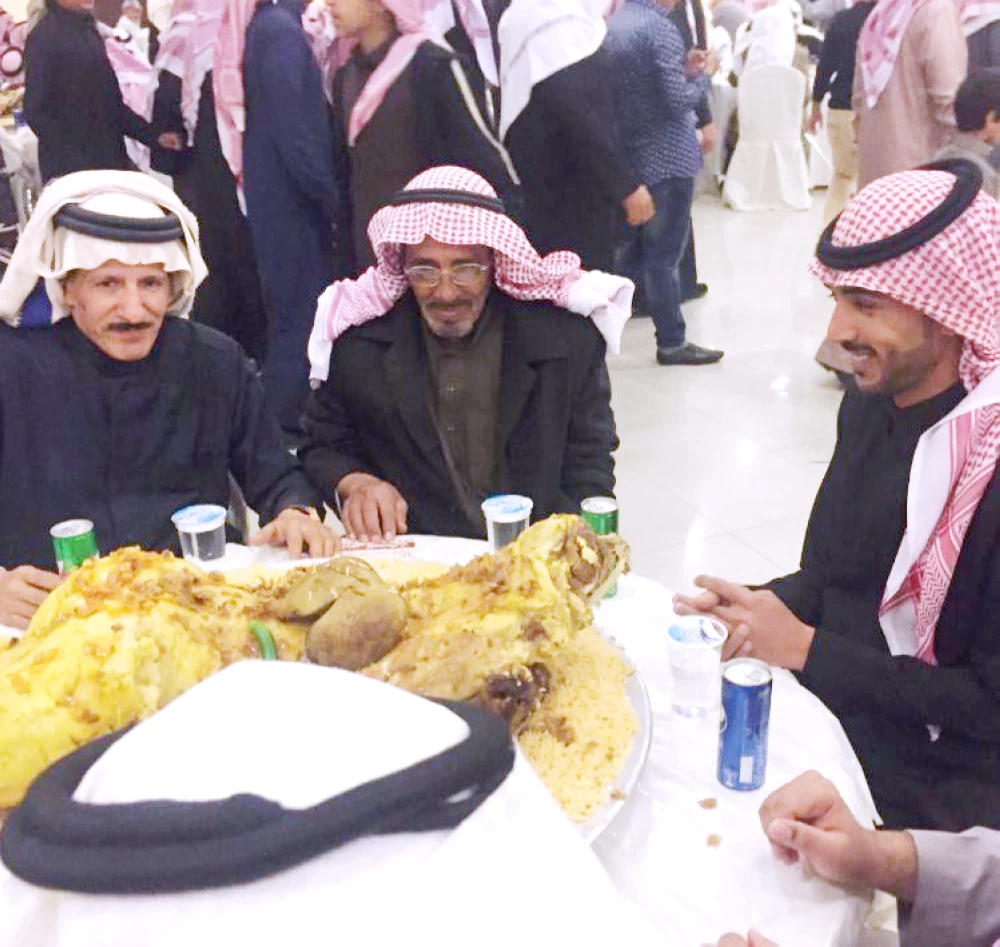
يطلق الأهالي على هذه المناسبة «العشوة» أو «عشوة الميت»، وهي إقامة مأدبة إفطار أو عشاء بنية الصدقة عن الوالدين أو أحد أفراد الأسرة المتوفين. يُذبح الضأن وتُجهّز المائدة وتُفتح أبواب المنزل للجيران والأقارب والأصدقاء، في مشهد يعكس روح التكافل الاجتماعي التي تميّز مجتمع حائل. الدعوة لـ«العشوة» تحمل معنى المشاركة في الأجر والدعاء، حيث يجتمع الحضور على الطعام ويتبادلون الذكر الطيب والدعوات بالرحمة للراحلين.
وتظهر «العشوة» بوصفها امتداداً حياً لثقافة الكرم الطائي، ويتحول الإطعام إلى ممارسة اجتماعية متجذرة في الوعي الجمعي، فالمائدة تجمع الناس حول قيمة واحدة هي العطاء، فتتقارب القلوب وتتعزز روابط الجيرة والرحم، ويصبح رمضان مساحة لإحياء المعاني التي قامت عليها المجتمعات العربية منذ قرون.
ومع الشهر الكريم تستعد البيوت الحائلية لتنظيم العشوات، فتُرتب المجالس، وتُعد أواني الضيافة، وتُحدد الأيام التي تُقام فيها الولائم. كبار السن يقودون لحظات الدعاء واستحضار سيرة الأهل، بينما يشارك الأبناء والأحفاد في استقبال الضيوف، فتتحول المناسبة إلى درس اجتماعي حي ينتقل عبر الأجيال.
وتعكس مائدة «العشوة» هوية المطبخ الحائلي؛ أطباق اللحم والأرز والجريش والهريس والثريد تتصدر الحضور، وتبقى القهوة العربية والتمر عنوان البداية لكل لقاء، في مشهد يجمع بين البعد الديني والاجتماعي والإنساني.
وتمثل «العشوة» جسراً يصل الماضي بالحاضر؛ عادة تعيد إحياء قيم البرّ وصلة المجتمع، وتؤكد، أن ذكر الإنسان يستمر بالعطاء والدعاء والعمل الصالح. هكذا يحافظ المجتمع الحائلي على إرثه الرمضاني، ويبقى اسم عدي بن حاتم الطائي رمزاً للكرم الذي يعيش في تفاصيل الحياة اليومية حتى اليوم.
The “Ishwah” is one of the most prominent inherited social customs among the people of Hail during the month of Ramadan, a tradition that carries a profound human and spiritual dimension, embodying the meaning of kindness and loyalty to family after their departure. This custom, preserved by Hail families through generations, represents a continuation of the values of generosity and giving that the region has been known for since the dawn of Islam, and it is symbolically linked to the noble companion Adi bin Hatim Al-Ta’i, who inherited from his father Hatim Al-Ta’i the virtues of generosity, feeding the needy, and honoring guests.
The locals refer to this occasion as “Ishwah” or “Ishwah of the deceased,” which involves hosting a breakfast or dinner with the intention of charity for the parents or a deceased family member. Sheep are slaughtered, the table is prepared, and the doors of the house are opened to neighbors, relatives, and friends, in a scene that reflects the spirit of social solidarity that characterizes the Hail community. The invitation to the “Ishwah” carries the meaning of sharing in the reward and prayers, as attendees gather around the food and exchange kind words and prayers for the departed.
The “Ishwah” appears as a living extension of the culture of generosity of the Al-Ta’i, and feeding becomes a social practice rooted in collective consciousness, as the table brings people together around a single value: giving. Hearts draw closer, and the bonds of neighborliness and kinship are strengthened, making Ramadan a space to revive the meanings that have underpinned Arab societies for centuries.
With the holy month, Hail homes prepare to organize the Ishwahs, arranging the councils, preparing hospitality utensils, and setting the days for the feasts. Elders lead moments of prayer and recall the stories of the family, while children and grandchildren participate in welcoming guests, transforming the occasion into a lively social lesson passed down through generations.
The “Ishwah” table reflects the identity of Hail’s cuisine; dishes of meat, rice, jareesh, harees, and thareed take center stage, while Arabic coffee and dates remain the hallmark of every gathering, in a scene that combines religious, social, and human dimensions.
The “Ishwah” represents a bridge connecting the past with the present; a tradition that revives the values of kindness and community ties, affirming that a person’s memory continues through giving, prayer, and good deeds. Thus, the Hail community preserves its Ramadan heritage, and the name of Adi bin Hatim Al-Ta’i remains a symbol of generosity that lives on in the details of daily life to this day.
للمزيد من المقالات
اضغط هنا
التعليقات