
محطات التحلية في الخليج.. بنية حيوية تحت مظلة الحماية – أخبار السعودية
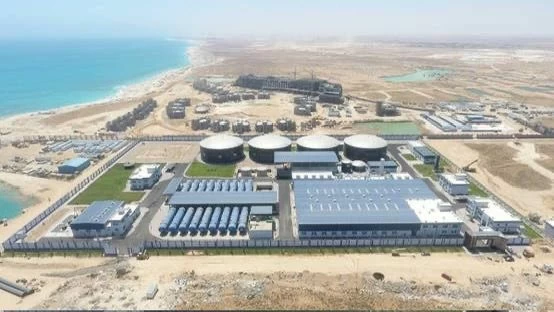
أشار تقرير بريطاني إلى أن التوترات العسكرية في المنطقة أعادت تسليط الضوء على أهمية محطات تحلية المياه في دول الخليج بوصفها أحد أهم المرافق الحيوية التي تقوم عليها الحياة اليومية والأنشطة الاقتصادية.
ولفت التقرير إلى أن بعض التقديرات الأمنية تضع هذه المنشآت ضمن البنى التحتية الحساسة التي تحرص الدول على حمايتها وتعزيز أمنها، نظراً لاعتماد مدن الخليج بشكل كبير على تحلية مياه البحر لتوفير المياه الصالحة للشرب والاستخدامات المختلفة.
التحلية.. شريان الحياة في الخليج
وتعتمد دول مجلس التعاون الخليجي بشكل كبير على تحلية مياه البحر لتوفير المياه الصالحة للشرب والاستخدامات اليومية. وتشير البيانات إلى أن الكويت تعتمد على التحلية لتأمين نحو 90% من مياه الشرب، فيما تبلغ النسبة 86% في سلطنة عمان، ونحو 70% في السعودية، ما يجعل هذه المنشآت الحيوية ركناً أساسياً في استقرار الحياة اليومية والاقتصاد في المنطقة.
الخليج.. قوة مائية عالمية
ونقلت وكالة أسوشيتد برس عن مدير مركز الشرق الأوسط في جامعة يوتا الأمريكية مايكل كريستوفر لو قوله إن دول الخليج، رغم شهرتها كقوى نفطية كبرى، أصبحت أيضاً «قوة مائية عظمى» بفضل استثماراتها الضخمة في تحلية المياه.
وأوضح أن هذا الإنجاز الذي تحقق خلال القرن العشرين يمثل قصة نجاح تنموية، لكنه في الوقت ذاته قد يتحول إلى نقطة ضعف إستراتيجية إذا أصبحت هذه المنشآت هدفاً عسكرياً.
وأضاف أن نحو نصف القدرة العالمية لتحلية مياه البحر تتركز في دول الخليج، ما يعكس حجم الاعتماد الكبير على هذه التقنية في تأمين المياه.
هجوم يثير القلق
وكانت البحرين أعلنت، الأحد الماضي، أن هجوماً إيرانياً أدى إلى تضرر إحدى محطات تحلية المياه، في تطور أثار مخاوف متجددة من استهداف هذه المنشآت الحساسة.
وحذرت دول خليجية وحلفاؤها خلال السنوات الماضية من أن استهداف محطات التحلية قد يهدد الاستقرار الإقليمي ويخلق أزمات إنسانية واسعة في منطقة تعتمد على هذه المنشآت لتأمين المياه.
سابقة في حرب الخليج
ويستحضر خبراء الأمن الإقليمي تجربة سابقة عندما استهدفت قوات الجيش العراقي في عهد صدام حسين عدداً من محطات الكهرباء والتحلية عقب انسحابها من الكويت عام 1991، في خطوة هدفت إلى إحداث شلل في البنية التحتية الحيوية.
سلاح ذو حدين
غير أن مراقبين يرون أن إيران لا تستطيع الذهاب بعيداً في هذا المسار، إذ إن بعض مناطقها الساحلية تعتمد أيضاً على تحلية مياه البحر لتأمين احتياجاتها المائية.
وكانت طهران قد اتهمت الولايات المتحدة، السبت الماضي، بتنفيذ غارة استهدفت محطة لتحلية المياه في جزيرة قشم الواقعة في مضيق هرمز، وفق ما ذكره وزير الخارجية الإيراني عباس عرقجي، ما يعكس حساسية هذا القطاع الحيوي لدى جميع الأطراف.
A British report indicated that military tensions in the region have once again highlighted the importance of desalination plants in the Gulf countries as one of the most vital facilities upon which daily life and economic activities depend.
The report pointed out that some security estimates categorize these facilities as part of the sensitive infrastructure that countries are keen to protect and enhance their security, given the heavy reliance of Gulf cities on seawater desalination to provide potable water for various uses.
Desalination.. The Lifeline in the Gulf
The Gulf Cooperation Council countries heavily rely on seawater desalination to provide potable water for drinking and daily use. Data indicates that Kuwait relies on desalination for about 90% of its drinking water, while the figure is 86% in Oman and around 70% in Saudi Arabia, making these vital facilities a fundamental pillar for the stability of daily life and the economy in the region.
The Gulf.. A Global Water Power
The Associated Press quoted Michael Christopher Lo, director of the Middle East Center at the University of Utah, stating that Gulf countries, despite their fame as major oil powers, have also become a “great water power” thanks to their massive investments in water desalination.
He explained that this achievement, realized during the twentieth century, represents a story of developmental success, but at the same time, it could turn into a strategic vulnerability if these facilities become military targets.
He added that about half of the world’s seawater desalination capacity is concentrated in the Gulf countries, reflecting the significant reliance on this technology to secure water.
A Concerning Attack
Bahrain announced last Sunday that an Iranian attack had damaged one of the desalination plants, in a development that raised renewed fears of targeting these sensitive facilities.
Gulf countries and their allies have warned in recent years that targeting desalination plants could threaten regional stability and create widespread humanitarian crises in a region that relies on these facilities to secure water.
A Precedent in the Gulf War
Regional security experts recall a previous experience when Iraqi army forces under Saddam Hussein targeted several electricity and desalination plants after their withdrawal from Kuwait in 1991, in a move aimed at crippling vital infrastructure.
A Double-Edged Sword
However, observers believe that Iran cannot go too far down this path, as some of its coastal areas also rely on seawater desalination to meet their water needs.
Tehran had accused the United States last Saturday of carrying out an airstrike targeting a desalination plant on Qeshm Island located in the Strait of Hormuz, according to Iranian Foreign Minister Abbas Araghchi, reflecting the sensitivity of this vital sector for all parties involved.
للمزيد من المقالات
اضغط هنا
التعليقات