
الصين تتصدر سباق «شرائح الدماغ».. أول زرعة تجارية لعلاج الشلل – أخبار السعودية
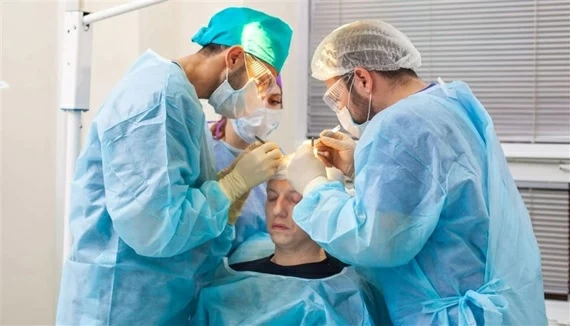
في تطور قد يغير مستقبل الطب العصبي، منحت السلطات الصينية الضوء الأخضر لأول زرعة دماغية مخصصة للاستخدام التجاري لمساعدة المصابين بالشلل الجزئي، في خطوة تضع الصين في قلب السباق العالمي لتكنولوجيا ربط الدماغ بالحاسوب.
الموافقة صدرت عن الإدارة الوطنية الصينية للمنتجات الطبية لصالح جهاز طورته شركة نيوراكل تكنولوجي في مدينة شنغهاي، ويستهدف المرضى الذين يعانون شللاً جزئياً نتيجة إصابات الحبل الشوكي.
لكن أهمية الخطوة لا تتوقف عند الجانب الطبي فقط، فهي تمثل أيضاً تحدياً مباشراً لمشاريع التكنولوجيا المتقدمة في الولايات المتحدة، وعلى رأسها شركة نيورالينك التابعة لرجل الأعمال إيلون ماسك، التي تطور تقنيات مشابهة لربط الدماغ البشري بالأجهزة الرقمية.
التحكم بالأجهزة بمجرد التفكير
تعتمد التقنية الجديدة على ما يعرف بواجهات الدماغ والحاسوب، وهي أنظمة تقرأ الإشارات العصبية من الدماغ وتحولها إلى أوامر رقمية، ما يسمح للمريض بالتحكم في أجهزة أو أطراف آلية باستخدام أفكاره فقط.
وخلال التجارب السريرية، تمكن بعض المرضى من استعادة القدرة على الإمساك بالأشياء بأيديهم عبر قفاز آلي متصل بالنظام، وهو إنجاز قد يفتح آفاقاً جديدة في إعادة تأهيل المصابين بإصابات عصبية.
وشملت التجارب 36 مريضاً قبل الحصول على الموافقة التنظيمية.
ولفهم آلية عمل الزرعة الدماغية، يجب التوغل في مكونات النظام الذي طورته الشركة الصينية من منظومة تقنية متكاملة تشمل:
- مستشعرات عصبية تُزرع في الدماغ
- قفازاً آلياً للمساعدة في الحركة
- خوارزميات متقدمة لفك تشفير الإشارات العصبية
- برامج طبية لمتابعة المرضى وتحليل البيانات
ورغم هذا التقدم، فإن الجهاز مخصص حالياً للمرضى الذين لا يزال لديهم بعض القدرة الحركية في الذراعين، إذ يعتمد تصميم الغرسة على عدد محدود من قنوات التقاط الإشارات العصبية مقارنة ببعض التقنيات الأكثر تطوراً التي يجري تطويرها حول العالم.
استثمارات ضخمة وسباق عالمي
تأتي هذه الخطوة ضمن إستراتيجية أوسع تتبناها الصين لدعم تقنيات واجهات الدماغ والحاسوب، بعدما صنفتها الحكومة ضمن الصناعات المستقبلية الإستراتيجية في خططها التنموية.
وسرعان ما انعكس الإعلان على الأسواق المالية، إذ ارتفعت أسهم شركات مرتبطة بهذه التكنولوجيا في بورصة هونغ كونغ.
وفي الوقت نفسه، تتدفق الاستثمارات العالمية نحو هذا القطاع. فقد قادت شركة مجموعة علي بابا القابضة جولة تمويل بقيمة 500 مليون يوان لدعم شركة ستيرميد للتكنولوجيا التي تطور شرائح دماغية جديدة، بينما تعمل شركة ساينس كورب في الولايات المتحدة على تطوير زرعات دماغية تستهدف علاج فقدان البصر.
وحول المستقبل الذي قد يغير علاقة الإنسان بالتكنولوجيا، يرى الخبراء أن السنوات القادمة من الممكن أن تشهد طفرة كبيرة في هذه التقنيات، التي قد تسمح مستقبلاً للمصابين بالشلل بالتحكم في الحواسيب والهواتف وربما الأطراف الصناعية بمجرد التفكير.
ومع احتدام المنافسة بين الشركات والدول، يبدو أن سباق دمج الدماغ البشري بالتكنولوجيا دخل مرحلة جديدة قد تعيد رسم حدود الطب والتقنية في العالم.
In a development that could change the future of neurology, Chinese authorities have granted the green light for the first brain implant intended for commercial use to assist those with partial paralysis, a move that places China at the heart of the global race for brain-computer interface technology.
The approval was issued by the National Medical Products Administration of China for a device developed by Neuracle Technology in Shanghai, targeting patients suffering from partial paralysis due to spinal cord injuries.
However, the significance of this step goes beyond the medical aspect; it also represents a direct challenge to advanced technology projects in the United States, particularly Neuralink, the company founded by entrepreneur Elon Musk, which is developing similar technologies to connect the human brain with digital devices.
Controlling Devices Just by Thinking
The new technology relies on what is known as brain-computer interfaces, which are systems that read neural signals from the brain and convert them into digital commands, allowing the patient to control devices or robotic limbs using only their thoughts.
During clinical trials, some patients were able to regain the ability to grasp objects with their hands through a robotic glove connected to the system, an achievement that could open new horizons in the rehabilitation of individuals with neurological injuries.
The trials included 36 patients before obtaining regulatory approval.
To understand how the brain implant works, one must delve into the components of the system developed by the Chinese company, which includes an integrated technological system consisting of:
- Neural sensors implanted in the brain
- A robotic glove to assist with movement
- Advanced algorithms for decoding neural signals
- Medical software for monitoring patients and analyzing data
Despite this progress, the device is currently intended for patients who still have some motor ability in their arms, as the design of the implant relies on a limited number of channels for capturing neural signals compared to some more advanced technologies being developed around the world.
Massive Investments and a Global Race
This step is part of a broader strategy adopted by China to support brain-computer interface technologies, after the government classified them among the strategic future industries in its development plans.
The announcement quickly reflected on financial markets, as shares of companies linked to this technology rose on the Hong Kong Stock Exchange.
At the same time, global investments are flowing into this sector. Alibaba Group led a funding round of 500 million yuan to support Stirmid Technology, which is developing new brain chips, while Science Corp in the United States is working on developing brain implants aimed at treating vision loss.
Regarding the future that could change the relationship between humans and technology, experts believe that the coming years may witness a significant leap in these technologies, which could eventually allow individuals with paralysis to control computers, phones, and perhaps prosthetic limbs just by thinking.
As competition intensifies among companies and countries, it seems that the race to integrate the human brain with technology has entered a new phase that could redefine the boundaries of medicine and technology in the world.
للمزيد من المقالات
اضغط هنا
التعليقات