
وسط تقارير بارتفاع التكلفة الأمريكية للحرب.. هل يتحول «هرمز» لمنطقة خطيرة؟ – أخبار السعودية
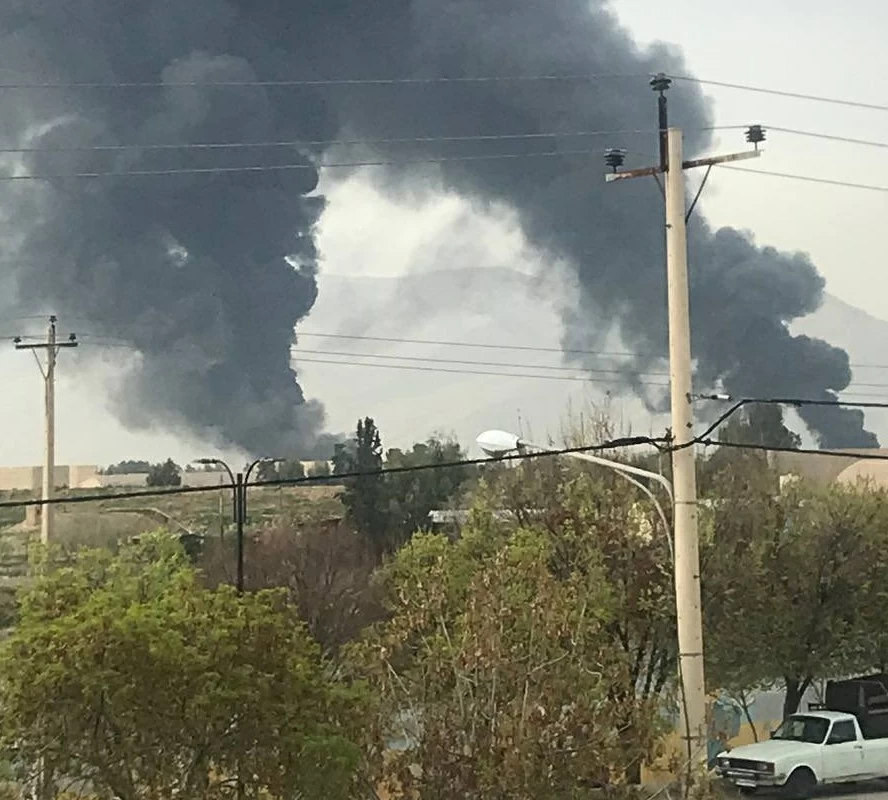
في حين ارتفعت كلفة الحرب في الأيام الستة الأولى إلى 11.3 مليار دولار، حذر مسؤولون أمريكيون من تحول مضيق هرمز إلى منطقة خطرة.
ونقلت صحيفة «وول ستريت جورنال» عن مسؤولين في البنتاغون قولهم: إن مضيق هرمز الذي لا يتجاوز عرضه 21 ميلاً في أضيق نقطة، قد يتحول لمنطقة خطر إذا ما حاولت السفن عبوره، مضيفين: «من الخطير جداً إرسال سفن حربية إلى هذا الممر الضيق حتى تتلاشى مخاطر النيران الإيرانية».
من جهته، أوضح أحد المسؤولين في البحرية الأمريكية أن مضيق هرمز قد يتحول إلى صندوق قتل إيراني إذا بدأت السفن بمحاولة العبور، فيما تؤكد عدة شركات شحن أن عودة الحركة الملاحية للسفن عبر هذا المضيق ستأخذ وقتاً طويلاً.
وقالت الشركات إنها لا تتوقع تعافيا سريعا لحركة المرور بمضيق هرمز، جاء ذلك في الوقت الذي تؤكد وسائل إعلام غربية نشر نحو 12 لغما في القناة مما زاد الوضع تعقيداً.
من جهة أخرى، أكد مسؤولون من إدارة الرئيس الأمريكي دونالد ترمب، خلال جلسة إحاطة أمام الكونجرس، هذا الأسبوع، أن الأيام الستة الأولى من الحرب على إيران كلّفت الولايات المتحدة أكثر من 11.3 مليار دولار، بحسب ما نقلته عنهم شبكة «إن بي سي نيوز».
ويتوقع عدد من مساعدي الكونجرس أن يقدم البيت الأبيض قريباً طلباً إلى الكونجرس للحصول على تمويل إضافي للحرب، متوقعين أن يصل الطلب إلى 50 مليار دولار، بينما قال آخرون إن هذا التقدير يبدو منخفضاً.
وقال السيناتور الديمقراطي عن ولاية ديلاوير، كريس كونز، للصحفيين، أمس، إنه يعتقد أن المبلغ أعلى من ذلك، لأن الرقم الحالي لا يشمل كل جوانب الحرب، مضيفاً «أتوقع أن يكون إجمالي التكلفة التشغيلية الحالية أعلى من ذلك بكثير، إذا كان كل ما تبحث عنه هو تكلفة استبدال الذخائر المستخدمة، فإنها تتجاوز بالفعل 10 مليارات دولار».
من جهته، قال متحدث باسم البنتاغون: «نحن لا نعلق على المناقشات أو المسائل المغلقة»، مضيفاً: «فيما يتعلق بتكلفة عملية (الغضب الملحمي)، لن نعرف التكلفة حتى تكتمل المهمة».
While the cost of the war rose to $11.3 billion in the first six days, U.S. officials warned that the Strait of Hormuz could become a dangerous area.
The Wall Street Journal reported that Pentagon officials stated the Strait of Hormuz, which is only 21 miles wide at its narrowest point, could turn into a danger zone if ships attempt to cross it, adding, “It is very dangerous to send warships into this narrow passage until the risks of Iranian fire diminish.”
For his part, one U.S. Navy official explained that the Strait of Hormuz could become an Iranian kill box if ships start trying to cross, while several shipping companies confirm that the return of maritime traffic through this strait will take a long time.
The companies stated that they do not expect a quick recovery of traffic in the Strait of Hormuz, coinciding with reports from Western media about the deployment of around 12 mines in the channel, which has complicated the situation further.
On another note, officials from President Donald Trump’s administration confirmed during a briefing before Congress this week that the first six days of the war against Iran cost the United States more than $11.3 billion, according to what NBC News reported from them.
Several congressional aides expect the White House to soon request additional funding for the war from Congress, anticipating that the request could reach $50 billion, while others said that this estimate seems low.
Democratic Senator Chris Coons from Delaware told reporters yesterday that he believes the amount is higher than that, as the current figure does not cover all aspects of the war, adding, “I expect the total current operational cost to be much higher than that; if all you’re looking for is the cost of replacing used munitions, it already exceeds $10 billion.”
A Pentagon spokesperson stated, “We do not comment on discussions or closed matters,” adding, “Regarding the cost of Operation Epic Wrath, we will not know the cost until the mission is complete.”
للمزيد من المقالات
اضغط هنا
التعليقات