
هيكل غضروفي مبتكر.. يساعد على إعادة بناء العظام – أخبار السعودية
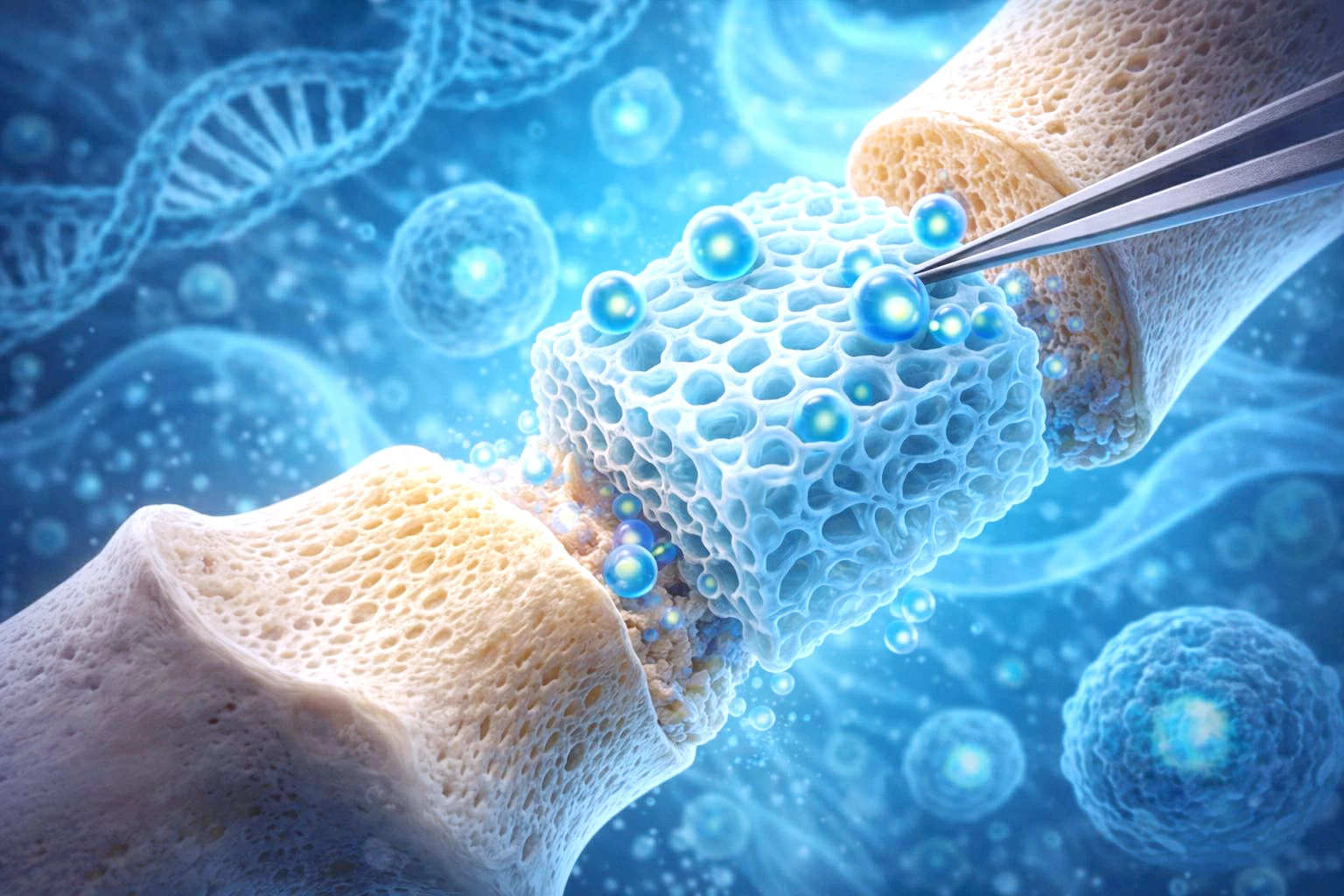
في تطور علمي قد يفتح آفاقاً جديدة في علاج إصابات العظام المعقدة، نجح فريق من الباحثين في تطوير هيكل غضروفي مبتكر قادر على مساعدة الجسم على إعادة بناء العظام المتضررة بصورة طبيعية، وهو ما يسلط الضوء على الإمكانات المتنامية للهندسة الحيوية في مجال الطب التجديدي. ويأتي هذا التقدم في وقت يسعى العلماء إلى إيجاد بدائل أكثر فعالية وأقل تعقيداً لعمليات زراعة العظام التقليدية التي قد لا تكون مناسبة لجميع المرضى.
وبحسب ما ورد في تقارير علمية، تناولتها منصات علمية متخصصة من بينها موقع ScienceDaily، فإن الهيكل الجديد يعتمد على تصميم غضروفي ثلاثي الأبعاد، يعمل كدعامة مؤقتة داخل موقع الإصابة، ما يسمح للخلايا الجذعية في الجسم بالاستقرار والتكاثر داخل هذا الهيكل الحيوي. ومع مرور الوقت تبدأ هذه الخلايا في التحول تدريجياً إلى خلايا عظمية، الأمر الذي يؤدي إلى تكوين نسيج عظمي جديد قادر على تعويض الجزء المتضرر من العظم.
ويشير الباحثون إلى أن الفكرة العلمية وراء هذا الابتكار تقوم على محاكاة المراحل الطبيعية لتكوين العظام داخل الجسم، إذ إن الغضروف يمثل مرحلة أساسية في عملية بناء العظام أثناء نمو الإنسان. ومن خلال استلهام هذه العملية البيولوجية، تم تطوير هيكل دقيق يوفر بيئة مناسبة لنمو الخلايا وتماسكها، وهو ما يعزز قدرة الجسم على ترميم نفسه بطريقة طبيعية دون الحاجة إلى تدخلات جراحية معقدة.
وتكمن أهمية هذه التقنية في إمكانية استخدامها مستقبلاً لعلاج مجموعة واسعة من الحالات الطبية، مثل الكسور الكبيرة أو فقدان أجزاء من العظام نتيجة الحوادث أو العمليات الجراحية أو بعض الأمراض التي تؤدي إلى تلف العظام. كما تسهم هذه التقنية في تقليل الحاجة إلى عمليات نقل العظام من أجزاء أخرى من جسم المريض، وهي عمليات ترتبط أحياناً بمضاعفات إضافية.
In a scientific development that may open new horizons in the treatment of complex bone injuries, a team of researchers has succeeded in developing an innovative cartilage structure capable of assisting the body in naturally rebuilding damaged bones, highlighting the growing potential of bioengineering in the field of regenerative medicine. This advancement comes at a time when scientists are seeking more effective and less complicated alternatives to traditional bone grafting procedures that may not be suitable for all patients.
According to reports in scientific literature, covered by specialized scientific platforms including ScienceDaily, the new structure is based on a three-dimensional cartilage design, which acts as a temporary scaffold within the injury site, allowing the body’s stem cells to settle and proliferate within this biological structure. Over time, these cells begin to gradually transform into bone cells, leading to the formation of new bone tissue capable of compensating for the damaged part of the bone.
The researchers indicate that the scientific idea behind this innovation is based on mimicking the natural stages of bone formation within the body, as cartilage represents a crucial stage in the process of bone building during human growth. By drawing inspiration from this biological process, a precise structure has been developed that provides a suitable environment for cell growth and cohesion, enhancing the body’s ability to repair itself naturally without the need for complex surgical interventions.
The significance of this technology lies in its potential future use for treating a wide range of medical conditions, such as large fractures or loss of bone parts due to accidents, surgeries, or certain diseases that lead to bone damage. This technology also contributes to reducing the need for bone transfers from other parts of the patient’s body, which are sometimes associated with additional complications.
للمزيد من المقالات
اضغط هنا
التعليقات