
بعد قطر والكويت.. البحرين تعلن حالة «القوة القاهرة» – أخبار السعودية
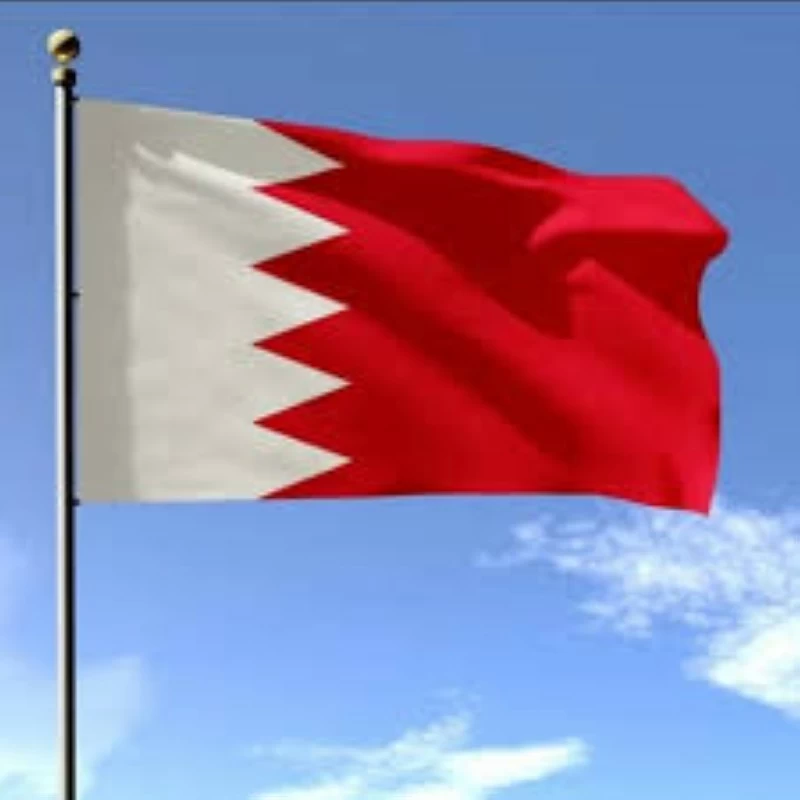
بعد إعلان قطر حالة «القوة القاهرة» في إمدادات الغاز، وكذلك إعلان الكويت الأمر ذاته في قطاع النفط، وذلك على خلفية تداعيات الحرب الأمريكية الإسرائيلية على إيران، أعلنت مملكة البحرين ممثلة في شركة بابكو إنرجيز، التي تقود تحول قطاع الطاقة، حالة «القوة القاهرة» على عمليات المجموعة المتأثرة بالأوضاع الراهنة نتيجة الاعتداءات الإيرانية المستمرة على المنطقة، والهجوم الغاشم الأخير الذي استهدف إحدى وحدات مصفاة شركة بابكو للتكرير التابعة للمجموعة.
استمرارية الإمدادات
وأوضحت الشركة -وفق ما نشرته وكالة أنباء البحرين- أن احتياجات السوق المحلية كافة مؤمنة بالكامل وفقاً للخطط الاستباقية الموضوعة، بما يضمن استمرارية الإمدادات وتلبية الطلب المحلي دون تأثر.
ويرى خبراء الطاقة أن إعلان «القوة القاهرة» من قبل دول منتجة للنفط والغاز يبعث عادة رسائل تحذيرية للأسواق العالمية، لأنه قد يعني احتمال تعطل الإمدادات أو انخفاضها مؤقتاً.
وغالباً ما يؤدي ذلك إلى ارتفاع أسعار النفط والغاز، وزيادة المخاوف بشأن أمن الطاقة، وتقلبات حادة في الأسواق العالمية، خصوصاً عندما يتعلق الأمر بمنطقة الخليج التي تعد الشريان الرئيسي لإمدادات الطاقة العالمية.
After Qatar declared a state of “force majeure” in gas supplies, and Kuwait announced the same in the oil sector, in light of the repercussions of the American-Israeli war on Iran, the Kingdom of Bahrain, represented by Bapco Energies, which is leading the transformation of the energy sector, declared a state of “force majeure” on the group’s operations affected by the current situation due to the ongoing Iranian attacks in the region, and the recent brutal attack that targeted one of the units of the Bapco Refinery, which is part of the group.
Continuity of Supplies
The company clarified – according to what was published by the Bahrain News Agency – that all local market needs are fully secured according to the proactive plans in place, ensuring the continuity of supplies and meeting local demand without disruption.
Energy experts believe that the declaration of “force majeure” by oil and gas producing countries usually sends warning signals to global markets, as it may indicate the possibility of supply disruptions or temporary reductions.
This often leads to rising oil and gas prices, increased concerns about energy security, and sharp fluctuations in global markets, especially when it comes to the Gulf region, which is the main artery for global energy supplies.
للمزيد من المقالات
اضغط هنا
التعليقات