
ألمانيا تعاني ثغرات دفاعية بعد استنزاف «باتريوت» – أخبار السعودية
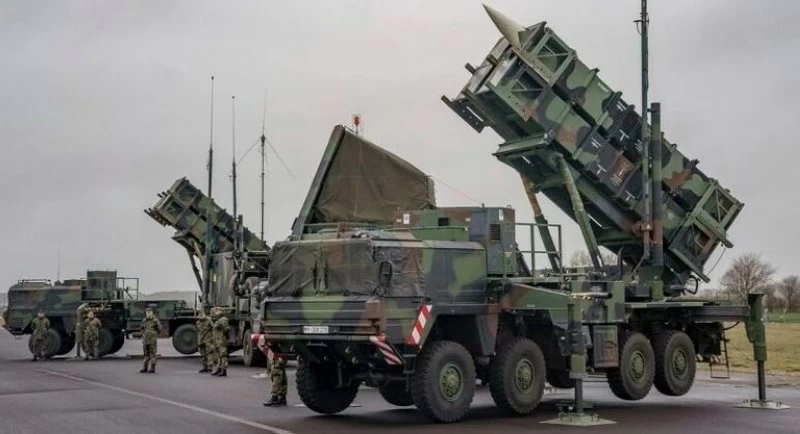
تعاني القدرات الدفاعية الجوية لألمانيا تراجعاً ملحوظاً في ظل النقص الحاد في منظومات «باتريوت» الأمريكية الصنع، ما يثير مخاوف داخل الأوساط العسكرية والسياسية خصوصاً مع استمرار التوترات مع روسيا وتزايد التهديدات الصاروخية المحتملة.
دعم أوكرانيا وبولندا
وكشفت صحيفة «وول ستريت جورنال» أن ألمانيا أصبحت أكثر عرضة للهجمات الجوية أو الصاروخية، بعد أن نقلت جزءاً كبيراً من منظومات إم آي إم-104 باتريوت بعيدة المدى إلى أوكرانيا منذ بداية 2023، ضمن جهود دعم كييف في مواجهة روسيا.
ورأت الصحيفة، أن المشكلة تفاقمت مع نشر ما تبقى من هذه الأنظمة لحماية الأجواء البولندية على الجناح الشرقي لحلف شمال الأطلسي (الناتو) اعتباراً من أواخر 2025.
الإعلان عن نفاد المخزون
كانت ألمانيا من أوائل الدول التي بادرت بتزويد أوكرانيا بمنظومات «باتريوت» مطلع 2023، إلى جانب هولندا والولايات المتحدة.
وفي أبريل 2024، أعلنت وزيرة الخارجية الألمانية آنذاك أنالينا بيربوك، أن بلادها لم تعد قادرة على تقديم المزيد من الدعم العسكري من هذا النوع، وقالت: «للأسف، نفدت المخزونات، وخصوصاً منظومات باتريوت الخاصة بنا، إلى حد كبير».
وأضافت: «أوضحت خلال اجتماع وزراء خارجية الناتو أننا بحاجة إلى البحث عن جميع المنظومات المتاحة في أوروبا والعالم، وبذل أقصى الجهود لتوفيرها لأوكرانيا»، غير أن نشر المنظومات المتبقية في بولندا العام التالي زاد من حدة الضغط على الدفاعات الجوية الألمانية، خصوصاً مع استمرار الطلب المتزايد على هذه الأنظمة نتيجة استهدافها وتدمير بعضها في أوكرانيا.
أولويات أمريكية ملحة
ورغم محاولة برلين معالجة هذا النقص، بتعاقد وزارة الدفاع الألمانية عام 2024 على شراء ثماني منظومات باتريوت جديدة من الولايات المتحدة، بتكلفة تصل إلى 2.33 مليار دولار للمنظومة الواحدة، بهدف تعويض تلك التي تم التبرع بها لأوكرانيا، إلا أن عملية التسليم تواجه تأخيرات كبيرة، في ظل الضغوط المتزايدة على المخزون الأمريكي من الصواريخ الاعتراضية.
وكانت وزارة الدفاع الأمريكية، أفادت في يوليو 2025 بأن مخزونها من الصواريخ الاعتراضية لمنظومات باتريوت انخفض إلى نحو 25% فقط من المستوى الذي تعتبره «البنتاغون» ضرورياً، بعد التبرعات الكبيرة لأوكرانيا والاستخدام المكثف لهذه الأنظمة في عمليات عسكرية أخرى، بينها الاشتباكات مع إيران.
فجوة في القدرات الدفاعية
تشير تقارير غربية صدرت في 5 مارس الجاري إلى أن الجيش الأمريكي استخدم أكثر من 800 صاروخ اعتراضي خلال خمسة أيام فقط من تلك المواجهات.
وفي ظل هذا الاستنزاف، يُتوقع أن تعطي الولايات المتحدة الأولوية لتجديد مخزونها العسكري أولاً، وربما لتلبية احتياجات حلفاء آخرين مثل تايوان. ويُرجح أن تلجأ واشنطن إلى سحب صواريخ اعتراضية من قواعدها في كوريا الجنوبية أو طلب إعادة إمدادات من الدول المشغلة لهذه المنظومات.
وحسب المعلومات، فإن ألمانيا قد لا تحصل على أعداد كبيرة من الصواريخ الاعتراضية الجديدة قبل مطلع ثلاثينات القرن الحالي، وهو ما يترك فجوة واضحة في قدراتها الدفاعية الجوية في مرحلة تشهد تصاعداً في التوترات الأمنية في أوروبا.
Germany’s air defense capabilities are experiencing a noticeable decline due to a severe shortage of American-made “Patriot” systems, raising concerns within military and political circles, especially with ongoing tensions with Russia and increasing potential missile threats.
Support for Ukraine and Poland
The Wall Street Journal revealed that Germany has become more vulnerable to air or missile attacks after transferring a significant portion of its long-range MIM-104 Patriot systems to Ukraine since the beginning of 2023, as part of efforts to support Kyiv in its confrontation with Russia.
The newspaper noted that the problem has worsened with the deployment of the remaining systems to protect Polish airspace on NATO’s eastern flank starting in late 2025.
Announcement of Stock Depletion
Germany was one of the first countries to provide Ukraine with “Patriot” systems in early 2023, alongside the Netherlands and the United States.
In April 2024, then German Foreign Minister Annalena Baerbock announced that her country could no longer provide additional military support of this kind, stating: “Unfortunately, the stocks have been depleted, especially our Patriot systems, to a large extent.”
She added: “I made it clear during the NATO Foreign Ministers’ meeting that we need to look for all available systems in Europe and the world and make every effort to supply them to Ukraine,” but the deployment of the remaining systems in Poland the following year increased the pressure on German air defenses, especially with the ongoing rising demand for these systems due to some being targeted and destroyed in Ukraine.
Urgent American Priorities
Despite Berlin’s attempts to address this shortage, the German Ministry of Defense contracted in 2024 to purchase eight new Patriot systems from the United States, at a cost of up to $2.33 billion per system, aiming to compensate for those donated to Ukraine. However, the delivery process is facing significant delays amid increasing pressure on the U.S. stockpile of interceptor missiles.
The U.S. Department of Defense reported in July 2025 that its stock of interceptor missiles for Patriot systems had dropped to about 25% of the level deemed necessary by the Pentagon, following large donations to Ukraine and the extensive use of these systems in other military operations, including clashes with Iran.
Gap in Defensive Capabilities
Western reports issued on March 5 indicate that the U.S. military used more than 800 interceptor missiles during just five days of those confrontations.
In light of this depletion, the United States is expected to prioritize replenishing its military stockpile first, possibly to meet the needs of other allies like Taiwan. Washington is likely to resort to withdrawing interceptor missiles from its bases in South Korea or requesting resupply from the countries operating these systems.
According to the information, Germany may not receive large numbers of new interceptor missiles before the early 2030s, leaving a clear gap in its air defense capabilities at a time of escalating security tensions in Europe.
للمزيد من المقالات
اضغط هنا
التعليقات