
حركة الملاحة «شبه متوقفة» في مضيق هرمز – أخبار السعودية
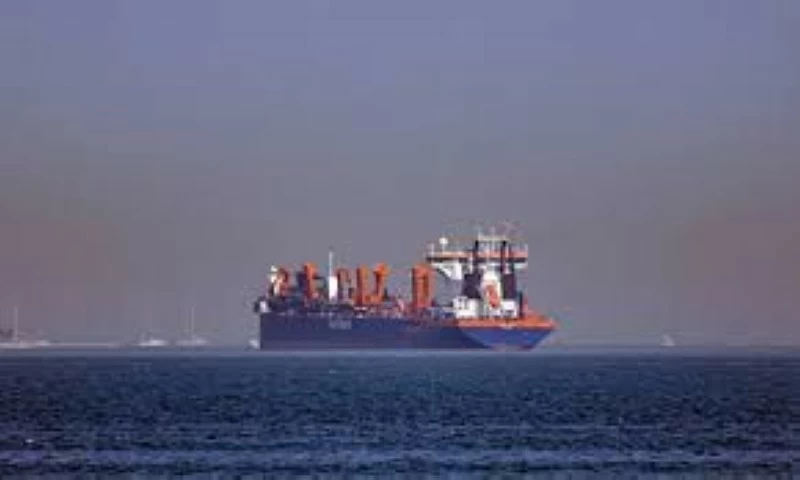
توقفت حركة السفن في مضيق هرمز بشكل شبه كامل، إثر الحرب الأمريكية – الإسرائيلية على إيران، ما أدى إلى تعطيل هذا الشريان العالمي الحيوي للسلع الأساسية، بدءاً من النفط وصولاً إلى الأسمدة.
وأعلن مركز المعلومات البحرية المشترك في مذكرة بتاريخ 6 مارس بأن المراجعات الأخيرة لإشارات الشحن في الممر المائي «تشير إلى انخفاض عمليات العبور إلى أقل من 10 سفن، ولم يتم تأكيد سوى عبور سفينتين تجاريتين فقط خلال الأربع والعشرين ساعة الماضية».
ووفقاً للمجموعة الاستشارية البحرية متعددة الجنسيات المعنية بالشرق الأوسط، فإن عمليات العبور المذكورة شملت سفن بضائع وليس ناقلات نفط.
ودفعت الحرب المتصاعدة في المنطقة العشرات من ناقلات النفط والغاز المحملة بالكامل إلى البقاء متوارية داخل الخليج العربي. ولا تزال وتيرة الهجمات على السفن داخل المضيق وحوله مرتفعة، مما يجعل محاولة العبور محفوفة بالمخاطر بالنسبة لناقلات الطاقة وشحناتها التي تقدر قيمتها بملايين الدولارات.
وقدمت الولايات المتحدة هذا الأسبوع ضمانات تأمين وخدمة مرافقة عسكرية بحرية، بعد أن بدأت شركات التأمين الدولية في التراجع عن تغطية مخاطر الحرب، إلا أن مالكي السفن لم يطمئنوا بعد.
بدوره، قال مركز المعلومات البحرية المشترك: «يمثل هذا توقفاً مؤقتاً شبه كامل لحركة التجارة الاعتيادية». وجرى رصد عبور سفينة واحدة في اتجاه الدخول وأخرى في اتجاه الخروج عبر المضيق خلال الرابع من مارس.
وأفادت التقارير بوقوع حوادث استهدفت سفينتين، هما «إم إس سي جريس» (MSC Grace) و«سونانغول ناميب» (Sonangol Namibe) في مياه الخليج العربي وبالقرب من العراق.
وغادرت ناقلة بضائع سائبة «آيرون ميدن» (Iron Maiden) المضيق وهي تبث إشارة تفيد بأنها «مملوكة للصين» أثناء شق طريقها عبر الممر المائي، ما يسلط الضوء على محاولات السفن ضمان المرور الآمن.
وبعثت ناقلة الغاز المسال «بوجازيتشي» (Bogazici)، في وقت سابق، رسالة تفيد بأنها سفينة يملكها مسلمون وتديرها شركة تركية لتأمين عبورها.
The movement of ships in the Strait of Hormuz has nearly come to a complete halt due to the American-Israeli war on Iran, which has disrupted this vital global artery for essential goods, ranging from oil to fertilizers.
The Joint Maritime Information Center announced in a memo dated March 6 that recent reviews of shipping signals in the waterway “indicate a decrease in transit operations to less than 10 ships, with only two commercial vessels confirmed to have crossed in the past twenty-four hours.”
According to the multinational maritime advisory group concerned with the Middle East, the mentioned transits included cargo ships and not oil tankers.
The escalating war in the region has caused dozens of fully loaded oil and gas tankers to remain hidden within the Arabian Gulf. The pace of attacks on ships within and around the strait remains high, making attempts to cross perilous for energy tankers and their cargoes valued in millions of dollars.
The United States provided this week guarantees for insurance and military naval escort services, after international insurance companies began to withdraw coverage for war risks, yet ship owners remain unconvinced.
For its part, the Joint Maritime Information Center stated: “This represents a near-complete temporary halt to normal trade movement.” One ship was observed crossing in the direction of entry and another in the direction of exit through the strait on March 4.
Reports indicated incidents targeting two ships, the “MSC Grace” and “Sonangol Namibe,” in the waters of the Arabian Gulf and near Iraq.
The bulk carrier “Iron Maiden” left the strait broadcasting a signal indicating that it is “owned by China” while making its way through the waterway, highlighting the attempts of ships to ensure safe passage.
Earlier, the liquefied natural gas tanker “Bogazici” sent a message stating that it is a ship owned by Muslims and operated by a Turkish company to secure its passage.
للمزيد من المقالات
اضغط هنا
التعليقات