
هل قُتل الرئيس الإيراني الأسبق نجاد؟ مكتبه يعلن ثم يحذف.. ومصيره في دائرة الغموض – أخبار السعودية
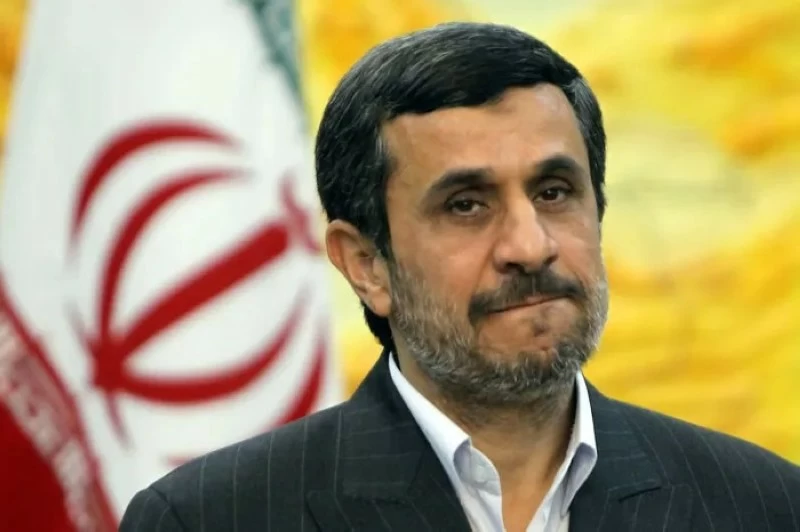
شهدت الساعات الماضية حالة من الارتباك والتضارب بشأن مصير الرئيس الإيراني السابق محمود أحمدي نجاد، بعد إعلان مكتبه الخاص عن مقتله ثم حذف الخبر بشكل مفاجئ.
في البداية، أفاد مكتبه في بيان مقتضب بمقتله في ضربة صاروخية نُسبت إلى إسرائيل والولايات المتحدة، مشيراً إلى أنه قضى مع عدد من مرافقيه. غير أن البيان لم يبقَ طويلاً، إذ تم حذفه بعد دقائق من نشره، ما فتح الباب أمام تساؤلات واسعة حول حقيقة ما جرى.
حذف الإعلان الرسمي أشعل موجة من التكهنات، وطرح علامات استفهام بشأن دقة المعلومات ومصدرها، خصوصاً في ظل الأوضاع المتوترة التي تعيشها المنطقة. وبين إعلان المقتل وسحبه، تصاعدت حالة اللبس، من دون صدور توضيح يبدد الغموض.
في المقابل، نقلت وكالة «إيسنا» الإيرانية أنه لا توجد أي معلومات مؤكدة بشأن وفاة أحمدي نجاد، مشيرة إلى فقدان الاتصال به منذ يوم أمس، من دون تقديم تفاصيل إضافية.
وكان أقارب نجاد قد نفوا في وقت سابق التقارير التي روجت لها بعض وسائل الإعلام الإيرانية حول وفاته، وفقاً لما نقلته وكالة «خبر أونلاين» الإيرانية.
وأوضحت الوكالة في تقريرها أنه «عقب تداول تقارير تفيد بمقتل محمود أحمدي نجاد نتيجة لضربة صاروخية أمريكية-إسرائيلية، سارع أقاربه إلى نفي وتكذيب هذه المعلومات».
وحتى اللحظة، لم يصدر أي بيان رسمي حاسم يؤكد أو ينفي هذه الأنباء، ما يُبقي مصير الرئيس الإيراني الأسبق معلقاً بين إعلانٍ تم سحبه، وصمتٍ رسمي يفاقم الضبابية
من هو أحمدي نجاد؟
محمود أحمدي نجاد هو الرئيس السادس لإيران، وأستاذ جامعي وسياسي، تولّى مهمات الرئاسة في 3 أغسطس 2005 بعد تغلبه على منافسه هاشمي رفسنجاني في الدور الثاني من الانتخابات الرئاسية. وأُعيد انتخابه في 12 يونيو 2009 على حساب منافسه مير حسين موسوي، وظل رئيسًا حتى 15 يونيو 2013 بعد إجراء انتخابات جديدة.
وُلد أحمدي نجاد في 28 أكتوبر 1956 في قرية آرادان قرب غرمسار بإيران، لأب يعمل حدادًا، ونشأ في طهران، حيث التحق عام 1976 بجامعة إيران للعلوم والتكنولوجيا لدراسة الهندسة المدنية. يعتبره أنصاره «بسيطًا» ويؤكدون أنه عاش حياة «متواضعة». وبعدما أصبح رئيسًا، أراد الاستمرار في منزل أسرته المتواضع في طهران، إلا أن مستشاريه الأمنيين أجبروه على الانتقال. أحمدي نجاد متزوج وله ابنان وابنة.
بداياته السياسية
خلال ثورة الخميني عام 1979، كان أحمدي نجاد من القادة الطلابيين الذين نظموا المظاهرات، وبعد الثورة انضم، شأنه شأن العديد من أقرانه، إلى الحرس الثوري الإيراني. وبالتوازي مع خدمته في الحرس الثوري خلال الحرب الإيرانية – العراقية (1980–1988)، واصل دراسته الجامعية، وحصل في نهاية المطاف على درجة الدكتوراه في هندسة وتخطيط النقل.
كانت أولى مناصبه السياسية تعيينه حاكمًا لمقاطعتي ماكو وخوي في محافظة أذربيجان الغربية خلال ثمانينات القرن الماضي. ثم أصبح مستشارًا للحاكم العام لمحافظة كردستان لمدة عامين.
وخلال دراسته للدكتوراه في طهران، عُيّن حاكمًا عامًا لمحافظة أردبيل عام 1993، واستمر في المنصب حتى عام 1997 حين أقاله الرئيس محمد خاتمي، فعاد بعدها إلى التدريس الجامعي.
ساهم أحمدي نجاد في تأسيس «تحالف بناة إيران» الذي روّج لأجندة شعبوية وسعى إلى توحيد الفصائل المحافظة في البلاد. وفي مايو 2003، اختاره المجلس البلدي عمدةً لمدينة طهران، رغم أن نسبة المحافظين من تحالف بناة إيران في المجلس لم تتجاوز 12%. وبصفته عمدة لطهران، نُسب إليه حل بعض مشكلات المرور والحفاظ على انخفاض الأسعار.
The past few hours have witnessed a state of confusion and contradiction regarding the fate of former Iranian President Mahmoud Ahmadinejad, following the announcement by his private office of his death, which was then suddenly deleted.
Initially, his office issued a brief statement claiming he had been killed in a missile strike attributed to Israel and the United States, indicating that he had died along with several of his companions. However, the statement did not last long, as it was deleted just minutes after being published, raising widespread questions about the truth of what had occurred.
The deletion of the official announcement sparked a wave of speculation and raised questions about the accuracy of the information and its source, especially given the tense conditions in the region. Between the announcement of his death and its retraction, confusion escalated, with no clarification issued to dispel the ambiguity.
In contrast, the Iranian news agency “ISNA” reported that there is no confirmed information regarding Ahmadinejad’s death, noting that contact with him has been lost since yesterday, without providing additional details.
Ahmadinejad’s relatives had previously denied reports circulated by some Iranian media regarding his death, according to what was reported by the Iranian news agency “Khabar Online.”
The agency clarified in its report that “following the circulation of reports about Mahmoud Ahmadinejad being killed as a result of an American-Israeli missile strike, his relatives hurried to deny and refute this information.”
As of now, no decisive official statement has been issued to confirm or deny these news reports, leaving the fate of the former Iranian president hanging between a retracted announcement and an official silence that exacerbates the uncertainty.
Who is Ahmadinejad?
Mahmoud Ahmadinejad is the sixth president of Iran, a university professor, and a politician who assumed the presidency on August 3, 2005, after defeating his rival Hashemi Rafsanjani in the second round of the presidential elections. He was re-elected on June 12, 2009, at the expense of his opponent Mir Hossein Mousavi, and remained president until June 15, 2013, after new elections were held.
Ahmadinejad was born on October 28, 1956, in the village of Aradan near Garmsar, Iran, to a father who worked as a blacksmith, and he grew up in Tehran, where he enrolled in 1976 at the Iran University of Science and Technology to study civil engineering. His supporters consider him “simple” and affirm that he lived a “modest” life. After becoming president, he wanted to continue living in his family’s modest home in Tehran, but his security advisors forced him to move. Ahmadinejad is married and has two sons and a daughter.
His Political Beginnings
During the Khomeini Revolution in 1979, Ahmadinejad was one of the student leaders who organized demonstrations. After the revolution, he, like many of his peers, joined the Iranian Revolutionary Guard. Alongside his service in the Revolutionary Guard during the Iran-Iraq War (1980–1988), he continued his university studies and eventually obtained a PhD in transportation engineering and planning.
His first political positions included being appointed governor of the Makoo and Khoy counties in West Azerbaijan Province during the 1980s. He then became an advisor to the governor-general of Kurdistan Province for two years.
While studying for his doctorate in Tehran, he was appointed governor-general of Ardabil Province in 1993, and he remained in that position until 1997 when President Mohammad Khatami dismissed him, after which he returned to university teaching.
Ahmadinejad contributed to the establishment of the “Builders of Iran Alliance,” which promoted a populist agenda and sought to unify conservative factions in the country. In May 2003, the city council elected him mayor of Tehran, despite the fact that the proportion of conservatives from the Builders of Iran Alliance in the council did not exceed 12%. As mayor of Tehran, he was credited with solving some traffic problems and maintaining low prices.
للمزيد من المقالات
اضغط هنا
التعليقات