
مسجد الهنود.. شاهد على تعايش المسلمين في الطائف – أخبار السعودية
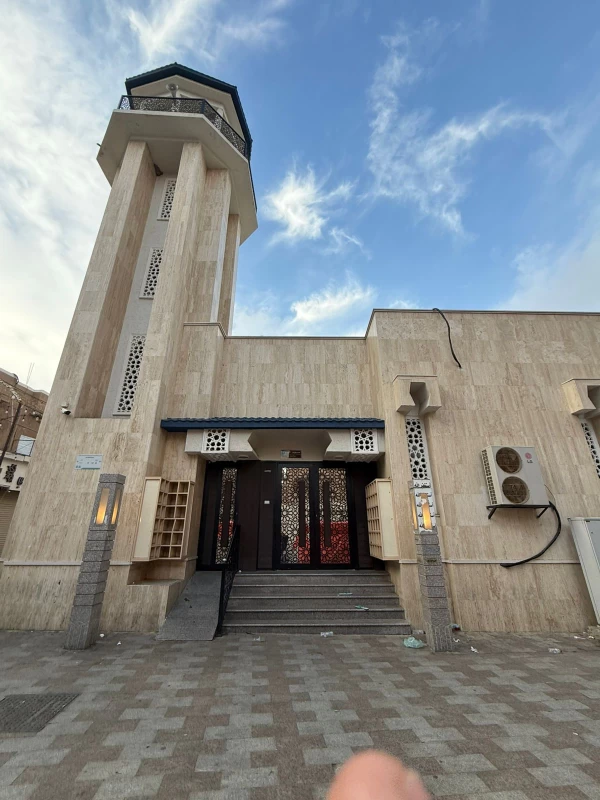
يتوسط مسجد الهنود المنطقة التاريخية بالطائف، بوصفه أحد المساجد ذات البعد التاريخي الممتد لأكثر من 200 عام، ورغم مساحته الصغيرة، يشهد كثافة ملحوظة في أعداد المصلين في جميع الفروض، في مشهد يعكس مكانته الروحية في قلب «البلد»، حيث تحيط به المحال التجارية، وتمتد في جهته الشمالية هذه الأيام بسطات رمضانية تضفي على المكان حيوية خاصة.
وشهد المسجد العام الماضي أعمال تطوير شملت تجديد الواجهات باستخدام السيراميك، واستبدال الأبواب بأخرى حديثة، في خطوة هدفت إلى تحسين عناصره المعمارية مع الحفاظ على حضوره التاريخي.
وتعكس تسمية المسجد دلالة ثقافية، إذ تشير إلى أن الطائف كانت – ولا تزال – مقصدًا سياحيًا وثقافيًا لجنسيات متعددة، ووفقًا لأستاذ التاريخ الدكتور منصور الدعجاني في تدوينة على منصة إكس، فإن مسجد الهنود يقع في محلة «فوق» بوسط البلد، ولا يُعرف تاريخ تأسيسه على وجه الدقة، غير أنه ورد في كتابات عدد من المؤرخين والرحالة.
ومن أبرز من أشار إليه المستشرق السويسري بوركهارت، الذي زار الطائف في رمضان سنة 1230هـ (أغسطس 1814م)، حيث ذكر المسجد ضمن مشاهداته، وقد سُمّي بمسجد الهنود لأن الجالية الهندية كانت تجتمع وتصلي فيه.
كما أشار الرحالة الفرنسي ليون روش إلى المسجد عند زيارته الطائف بعد غروب شمس 20 ذي القعدة سنة 1257هـ (2 يناير 1842م)، إذ ذكر أنه دخل المدينة عبر باب تعلوه أبراج ذات فتحات، ولاحظ أن شوارع الطائف أعرض من شوارع مدن عربية أخرى، قبل أن يتوجه إلى إحدى المدارس الملحقة بمسجد الهنود، والتي أُعدّت مسكنًا لهم أثناء إقامتهم.
The Indian Mosque is located in the historical area of Taif, being one of the mosques with a historical significance that extends for more than 200 years. Despite its small size, it witnesses a noticeable density of worshippers during all prayers, in a scene that reflects its spiritual status in the heart of the “town,” where it is surrounded by commercial shops, and these days, Ramadan stalls extend in its northern direction, adding a special vibrancy to the place.
Last year, the mosque underwent development works that included renewing the facades with ceramic tiles and replacing the doors with modern ones, in a step aimed at improving its architectural elements while preserving its historical presence.
The name of the mosque reflects a cultural significance, as it indicates that Taif has been – and still is – a tourist and cultural destination for various nationalities. According to history professor Dr. Mansour Al-Dajani in a post on X platform, the Indian Mosque is located in the “Fuq” neighborhood in the center of the town, and its exact founding date is not known; however, it has been mentioned in the writings of several historians and travelers.
One of the most notable references to it was made by the Swiss orientalist Burckhardt, who visited Taif during Ramadan in the year 1230 AH (August 1814 AD), where he mentioned the mosque among his observations, and it was named the Indian Mosque because the Indian community used to gather and pray there.
The French traveler Léon Roch also referred to the mosque during his visit to Taif after sunset on the 20th of Dhu al-Qi’dah in the year 1257 AH (January 2, 1842 AD), noting that he entered the city through a gate topped with towers featuring openings, and he observed that the streets of Taif were wider than those of other Arab cities, before heading to one of the schools attached to the Indian Mosque, which was prepared as accommodation for them during their stay.
للمزيد من المقالات
اضغط هنا
التعليقات