
القمر الدموي يطل في 3 مارس – أخبار السعودية
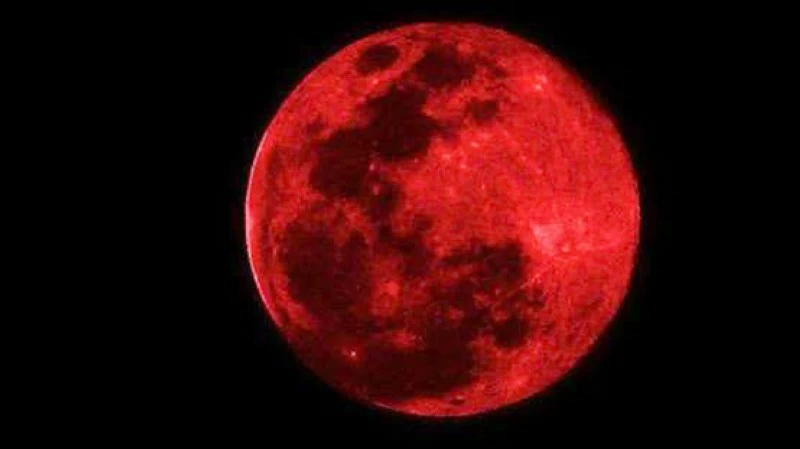
تشهد سماء العالم في الثالث من مارس القادم خسوفًا كليًا للقمر، يُعرف فلكيًا بظاهرة «القمر الدموي»، حيث يتحول لون القمر إلى الأحمر النحاسي نتيجة مرور أشعة الشمس عبر الغلاف الجوي للأرض قبل انعكاسها على سطحه، في ظاهرة فسّرها علماء الفلك بأنها نتيجة مباشرة لتشتت الضوء وفق مبادئ فيزيائية معروفة في علم البصريات الجوية.
ويحدث الخسوف الكلي عندما تصطف الشمس والأرض والقمر في خط مستقيم، فتقع الأرض بين الجرمين وتحجب أشعة الشمس المباشرة عن القمر. غير أن الغلاف الجوي لا يمنع الضوء بالكامل، بل يسمح بمرور أطوال موجية معينة، حيث يتم تشتيت اللون الأزرق بينما تستمر الموجات الحمراء في الانحناء والوصول إلى سطح القمر، ما يمنحه ذلك التوهج الأحمر الداكن.
ووفق بيانات فلكية صادرة عن هيئات الرصد الدولية، فإن هذا النوع من الخسوف يمكن مشاهدته بالعين المجردة دون أي مخاطر صحية، بخلاف كسوف الشمس الذي يتطلب حماية بصرية خاصة. كما أن مدة الخسوف الكلي قد تمتد لأكثر من ساعة في بعض المناطق، بينما تختلف زاوية الرؤية بحسب الموقع الجغرافي وخلو السماء من الغيوم.
ويؤكد المختصون، أن «القمر الدموي» ليس ظاهرة نادرة علميًا، إذ يتكرر ضمن دورات خسوف معروفة تُحسب بدقة مسبقًا، إلا أن طابعه البصري المميز يمنحه بعدًا جماهيريًا واسعًا، خصوصًا مع انتشار الصور الفلكية عالية الدقة وازدياد الاهتمام العام بعلوم الفضاء.
The sky of the world will witness a total lunar eclipse on March 3rd, known astronomically as the “blood moon” phenomenon, where the color of the moon turns to a coppery red as sunlight passes through the Earth’s atmosphere before reflecting off its surface. This phenomenon has been explained by astronomers as a direct result of light scattering according to well-known physical principles in atmospheric optics.
A total eclipse occurs when the sun, Earth, and moon align in a straight line, with the Earth positioned between the two celestial bodies, blocking direct sunlight from reaching the moon. However, the atmosphere does not completely block light; it allows certain wavelengths to pass through, scattering blue light while red wavelengths continue to bend and reach the moon’s surface, giving it that dark red glow.
According to astronomical data released by international observation bodies, this type of eclipse can be seen with the naked eye without any health risks, unlike a solar eclipse which requires special optical protection. The duration of the total eclipse can extend for more than an hour in some areas, while the angle of view varies depending on geographic location and the absence of clouds in the sky.
Experts confirm that the “blood moon” is not a scientifically rare phenomenon, as it recurs within known eclipse cycles that are calculated accurately in advance. However, its distinctive visual nature gives it a wide public appeal, especially with the proliferation of high-resolution astronomical images and the growing public interest in space sciences.
للمزيد من المقالات
اضغط هنا
التعليقات