
الفن بوصفه بنية ثقافية لا تقبل الاعتزال – أخبار السعودية
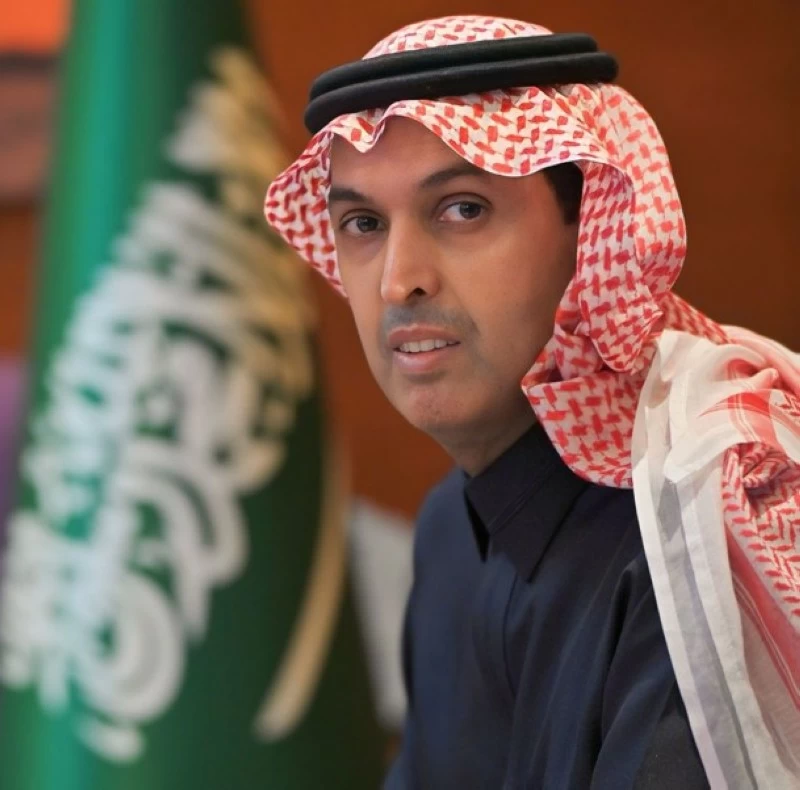
ليس السؤال اليوم هل يعتزل محمد عبده؟
السؤال الأهم هل يمكن لظاهرة ثقافية أن تتقاعد؟
وهل يصبح الغياب خيارًا حين يتحول الفن إلى جزء من البنية الرمزية للمجتمع؟
الحديث المتكرر عن اعتزال محمد عبده يكشف مأزقًا أعمق من مجرد قرار فني.
فالتجربة التي بدأت صوتًا فرديًا تحولت عبر العقود إلى ظاهرة ثقافية أسهمت في تشكيل الهوية السمعية الحديثة.
وهنا لا يعود الاعتزال فعلًا شخصيًا، بل قضية تتصل بالذاكرة الجمعية، وبالتحولات الاجتماعية والثقافية التي رافقت هذه التجربة.
لقد تزامنت مسيرته مع مراحل مفصلية في بناء الدولة والمجتمع.
فكان حضوره جزءًا من سردية التحديث الثقافي.
ومع مرور الزمن لم يعد صوته مجرد أداء غنائي، بل أصبح وسيلة لإعادة إنتاج المعنى، ومرآة لتحولات الإنسان في علاقته بالمكان والهوية والانتماء.
ولهذا ظل حاضرًا في تفاصيل الحياة اليومية، في المناسبات الكبرى كما في اللحظات الخاصة، في الفرح كما في التأمل.
في الأغنية الوطنية لم يقتصر دوره على التعبير، بل تجاوز ذلك إلى تشكيل الوجدان الجمعي.
فأغنية (فوق هام السحب) لم تكن مجرد عمل حماسي، بل صياغة وجدانية لفكرة الانتماء والولاء للوطن.
وفي أغنية (ارفع راسك انت سعودي) تحولت الأغنية إلى خطاب ثقة في المستقبل يربط الفرد بالمشروع الوطني.
أما أغنية (حدثينا) فقد أعادت كتابة الذاكرة التاريخية بلغة الفن، مستحضرة رحلة التوحيد بوصفها تجربة مستمرة لا حدثًا منتهيًا.
وفي المجال الإنساني، قدم نموذجًا للأغنية بوصفها توازنًا نفسيًا وثقافيًا يعالج القلق والحنين والاغتراب، ويعيد للإنسان علاقته بذاته.
كما أعاد تقديم التراث بروح معاصرة، فصار الماضي موردًا للابتكار لا قيدًا على الحاضر.
وأسهم ذلك في بناء ذائقة تربط الأصالة بالتجديد.
غير أن التحول الأهم لم يكن في الأداء وحده، بل في تكامل الصوت مع الكلمة واللحن.
هذا التكامل أنتج سلطة إبداعية نادرة نقلت الأغنية من الترفيه إلى التأثير الثقافي.
وفي هذا السياق جاء التلاقي مع تجارب شعرية رفيعة، في مقدمتها الأمير خالد الفيصل والأمير بدر بن عبدالمحسن.
ليمنح النص الغنائي عمقًا فلسفيًا وإنسانيًا، ويجعل الأغنية مساحة للتفكير بقدر ما هي مساحة للشعور.
هذه السلطة الجمالية لم توحّد الذائقة فحسب، بل أسهمت في توحيد المشاعر واللسان عبر فضاء عربي واسع.
ومن خلالها خرجت الأغنية السعودية من إطارها المحلي إلى محيطها الثقافي الأوسع.
واكتسبت مكانة متقدمة بوصفها نموذجًا يجمع بين الهوية والانفتاح، ويعبر عن الإنسان في قضاياه الكبرى.
وهكذا أصبحت جزءًا من القوة الناعمة للمملكة، وأحد أدوات حضورها الثقافي.
إن ما تحقق عبر هذه التجربة لم يكن نجاحًا فرديًا، بل بناء تاريخ سمعي لم يدون في الكتب، بل في الوجدان.
تاريخ صاغته الألحان، ووثقته الأصوات، وحفظته الذاكرة.
ومع كل جيل جديد يتجدّد هذا الحضور، لأن التجربة لم ترتبط بزمن واحد، بل تحولت إلى مرجع ثقافي.
من هنا يبدو الحديث عن الاعتزال تبسيطًا لمسألة أكثر تعقيدًا.
فالفنان حين يتحول إلى رمز ثقافي يصبح وجوده ممتدًا في المجتمع، لا في الحفلات.
قد يقل الظهور، لكن الأثر يتضاعف، لأن القيمة تنتقل من الأداء إلى المعنى.
لهذا فإن غياب محمد عبده، إن حدث، لن يكون غيابًا بالمعنى التقليدي، بل تحوّلًا في الشكل.
أما الحضور فقد أصبح جزءًا من بنية الوعي، ومن الذاكرة، ومن اللغة العاطفية التي تشكل علاقة الإنسان بالمكان والزمن.
ولهذا فإن السؤال الحقيقي ليس هل يعتزل محمد عبده؟
بل كيف يمكن لجزءٍ من الوعي الوجداني المشترك أن يغيب؟!
The question today is not whether Mohammed Abdu will retire?
The more important question is whether a cultural phenomenon can retire?
And does absence become an option when art transforms into a part of the symbolic structure of society?
The recurring discussion about Mohammed Abdu’s retirement reveals a deeper dilemma than just an artistic decision.
The experience that began as an individual voice has transformed over the decades into a cultural phenomenon that contributed to shaping modern auditory identity.
Here, retirement is no longer a personal act but a matter connected to collective memory, and to the social and cultural transformations that accompanied this experience.
His career coincided with pivotal stages in the construction of the state and society.
His presence was part of the narrative of cultural modernization.
As time passed, his voice became more than just a musical performance; it became a means of reproducing meaning, and a mirror reflecting human transformations in relation to place, identity, and belonging.
For this reason, he remained present in the details of daily life, in major events as well as in private moments, in joy as well as in contemplation.
In the national song, his role was not limited to expression but extended to shaping the collective sentiment.
The song “Fawq Ham Al-Suhub” was not just an enthusiastic work but an emotional formulation of the idea of belonging and loyalty to the homeland.
In the song “Irfa’ Rask Enta Saudi,” the song transformed into a discourse of confidence in the future that connects the individual to the national project.
As for the song “Hadithina,” it rewrote historical memory in the language of art, evoking the journey of unification as a continuous experience rather than a concluded event.
In the human realm, he presented a model of the song as a psychological and cultural balance that addresses anxiety, nostalgia, and alienation, and restores the individual’s relationship with themselves.
He also re-presented heritage with a contemporary spirit, turning the past into a resource for innovation rather than a constraint on the present.
This contributed to building a taste that connects authenticity with renewal.
However, the most important transformation was not just in performance but in the integration of voice with words and melody.
This integration produced a rare creative authority that moved the song from mere entertainment to cultural influence.
In this context, there was a convergence with high poetic experiences, foremost among them Prince Khalid Al-Faisal and Prince Badr bin Abdul Mohsen.
This granted the lyrical text a philosophical and human depth, making the song a space for thought as much as it is a space for feeling.
This aesthetic authority not only unified taste but also contributed to unifying feelings and language across a wide Arab space.
Through this, the Saudi song emerged from its local framework to its broader cultural environment.
It gained a prominent status as a model that combines identity and openness, expressing humanity in its major issues.
Thus, it became part of the soft power of the Kingdom and one of the tools of its cultural presence.
What has been achieved through this experience was not an individual success but the construction of an auditory history that was not recorded in books but in the collective consciousness.
A history shaped by melodies, documented by voices, and preserved by memory.
With each new generation, this presence is renewed, because the experience is not tied to a single time but has transformed into a cultural reference.
From here, discussing retirement seems to simplify a more complex issue.
When an artist becomes a cultural symbol, their existence extends in society, not just in concerts.
Appearances may decrease, but the impact multiplies, because the value shifts from performance to meaning.
Therefore, if Mohammed Abdu’s absence occurs, it will not be absence in the traditional sense, but a transformation in form.
As for presence, it has become part of the structure of consciousness, of memory, and of the emotional language that shapes the relationship between humans and place and time.
Thus, the real question is not whether Mohammed Abdu will retire?
But how can a part of the shared emotional consciousness disappear?!
للمزيد من المقالات
اضغط هنا
التعليقات