
رغم التوجيهات بسعودتها.. شارع العلم بمكة أعجمي – أخبار السعودية
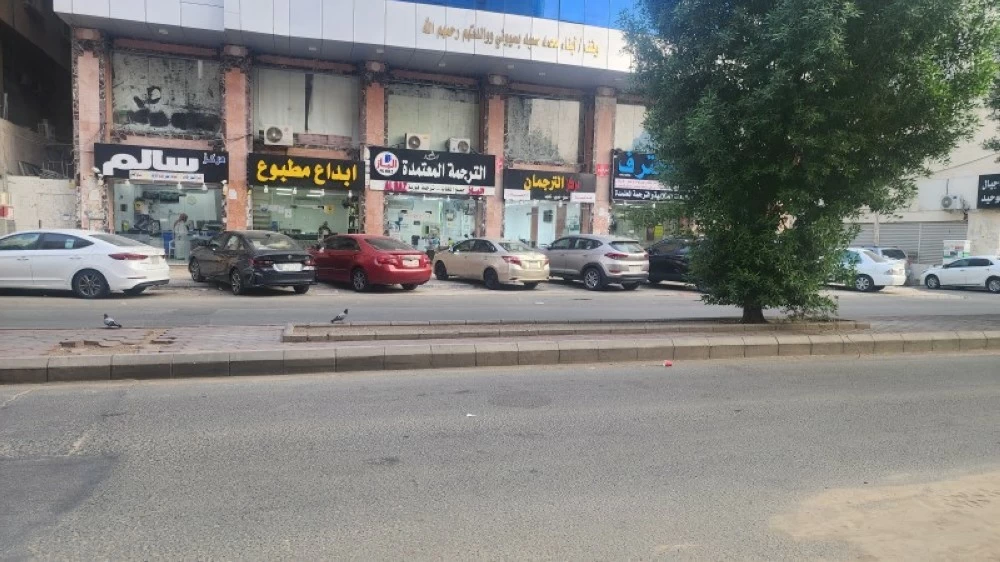
رغم صدور قرار وزير الموارد البشرية والتنمية الاجتماعية المهندس أحمد الراجحي، قبل عامين، القاضي بقصر العمل على السعوديين في مهن السكرتارية، والترجمة، وأمناء المخزون، وإدخال البيانات في جميع مناطق المملكة؛ بهدف توفير بيئة عمل محفزة للمواطنين، وتوسيع مشاركتهم في سوق العمل، إلا أن الواقع الميداني يكشف استمرار سيطرة العمالة الوافدة على عدد من الأنشطة المشمولة بالتوطين.
فمع دخول القرار حيّز التنفيذ في السابع من شوال 1443، الموافق 8 مايو 2022م، لا تزال المكتبات ومكاتب الترجمة والطباعة والخدمات تُدار في كثير من المواقع بواسطة عمالة وافدة من جنسيات مختلفة دون رقابة تُذكر. ويبرز ذلك بوضوح في شارع العلم الواقع عند المدخل الرئيسي لجامعة أم القرى بحي العزيزية، حيث تنتشر عشرات المكاتب التي يديرها وافدون حتى بات الشارع -كما يصفه البعض- «لا يتحدث العربية».
وتتزايد المطالبات بتنفيذ جولات رقابية على تلك المواقع لضبط التجاوزات وتطبيق التعليمات الصادرة عن الوزارة. ويؤكد محمد عمران أن مكاتب الخدمات والترجمة لا تزال تُدار من قبل وافدين رغم صدور التوجيهات بسعودة هذه المهن، مشيراً إلى غياب المتابعة الفعلية.
وفي محافظة الطائف، يتكرر المشهد ذاته في مكاتب الخدمات داخل أسواق سارة؛ حيث تمارس العمالة الوافدة أعمال التصوير، والصيانة، وتقديم الخدمات المختلفة، لكنها -كما يروي مرتادو السوق- تختفي فور ملاحظة أي مركبة يُشتبه بانتمائها للجهات الرقابية، لتعود إلى نشاطها بمجرد مغادرة فرق التفتيش، التي غالباً ما تصطدم بمحلات مغلقة مؤقتاً.
ويشير حمدان العتيبي -أحد المترددين على السوق- إلى أن العمالة الوافدة تعمل خارج أوقات الدوام الرسمي بشكل أكبر، بينما تتوخى الحذر خلال الفترات الأخرى خوفاً من المخالفات، مستفيدة من وجود عمالة داخل السوق ترصد دخول أي غرباء أو فرق تفتيش قبل وصولهم.
Despite the issuance of the decision by the Minister of Human Resources and Social Development, Engineer Ahmed Al-Rajhi, two years ago, which stipulated that work in the fields of secretarial, translation, stockkeeping, and data entry should be limited to Saudis in all regions of the Kingdom; with the aim of providing a stimulating work environment for citizens and expanding their participation in the labor market, the field reality reveals the continued dominance of foreign labor in several activities covered by nationalization.
Since the decision came into effect on the seventh of Shawwal 1443, corresponding to May 8, 2022, libraries, translation offices, printing services, and others are still being managed in many locations by foreign workers of various nationalities with little oversight. This is clearly evident on Al-Ilm Street, located at the main entrance of Umm Al-Qura University in the Al-Aziziyah neighborhood, where dozens of offices run by expatriates are spread out, leading some to describe the street as “not speaking Arabic.”
There are increasing calls for regulatory rounds in these locations to address violations and enforce the instructions issued by the ministry. Mohammed Imran confirms that service and translation offices are still managed by expatriates despite the directives to nationalize these professions, pointing to the lack of actual follow-up.
In Taif Governorate, the same scene is repeated in service offices within Sara Markets; where foreign labor engages in photography, maintenance, and providing various services, but as market visitors recount, they disappear as soon as they notice any vehicle suspected of belonging to regulatory authorities, only to return to their activities once the inspection teams leave, which often encounter temporarily closed shops.
Hamdan Al-Otaibi – one of the frequent visitors to the market – points out that foreign labor works more outside official working hours, while being cautious during other times out of fear of violations, taking advantage of the presence of workers inside the market who monitor the entry of any strangers or inspection teams before their arrival.
للمزيد من المقالات
اضغط هنا
التعليقات