
رغم توسّع الذكاء الاصطناعي.. أطباء الأشعة مطلوبون – أخبار السعودية
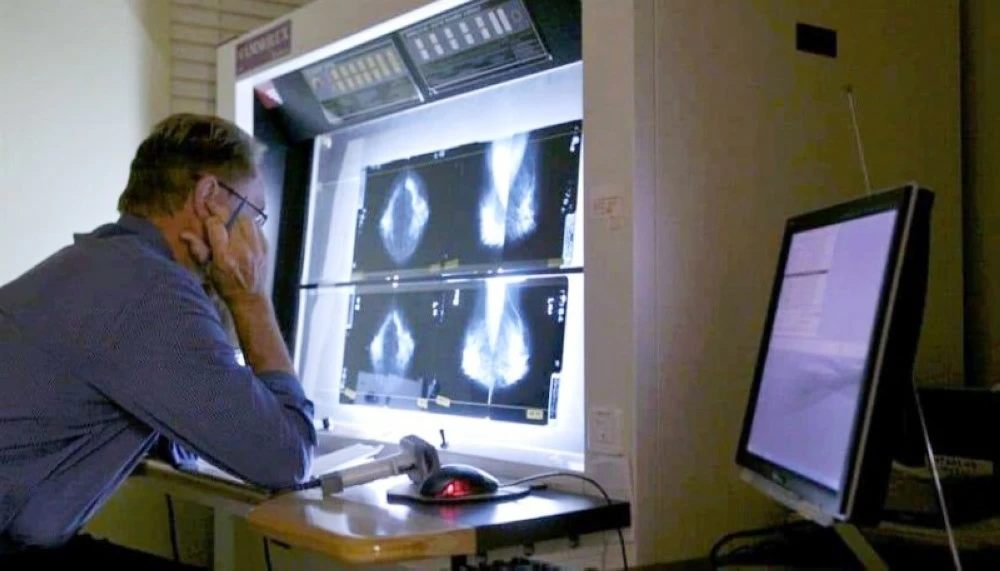
يتصاعد النقاش عالميًا حول تأثير تقنيات الذكاء الاصطناعي في مستقبل المهن الطبية، غير أن معطيات مهنية حديثة تكشف، أن تخصص الأشعة يسير بعكس التوقعات التي رجّحت تراجع دوره، إذ تشير البيانات إلى استمرار نمو فرص العمل وتحسّن مستويات الدخل للأطباء العاملين في هذا المجال، مدفوعًا بالحاجة المتزايدة إلى الخبرة البشرية في تفسير الصور الطبية المعقّدة وربطها بالسياق السريري للحالة المرضية.
وتوضح تقارير سوق العمل، ومن بينها بيانات مكتب إحصاءات العمل الأمريكي، أن الطلب على اختصاصيي الأشعة مرشح لمواصلة الارتفاع خلال السنوات القادمة، في ظل التوسع الكبير في استخدام الفحوصات التصويرية لتشخيص الأمراض المزمنة والحالات الطارئة ومتابعة الخطط العلاجية، وهو ما يعزّز مكانة الطبيب المختص بوصفه عنصرًا حاسمًا في اتخاذ القرار الطبي النهائي، رغم دخول الخوارزميات الذكية إلى مراحل التحليل الأولي للصور.
كما أسهم تطور تقنيات التصوير نفسها في خلق مسارات تخصصية أدق داخل المجال، ما رفع القيمة المهنية للطبيب بدل أن يقلّصها، إذ تحوّل الذكاء الاصطناعي إلى أداة داعمة تسرّع إنجاز المهام الروتينية وتزيد دقة الاكتشاف المبكر، بينما يبقى التقييم السريري المتكامل مسؤولية بشرية تتطلب خبرة تراكمية وقدرة على تقدير المخاطر العلاجية المحتملة.
The global discussion is intensifying regarding the impact of artificial intelligence technologies on the future of medical professions. However, recent professional data reveals that the radiology specialty is moving contrary to expectations that predicted a decline in its role. The data indicates a continued growth in job opportunities and improved income levels for doctors working in this field, driven by the increasing need for human expertise in interpreting complex medical images and linking them to the clinical context of the medical condition.
Labor market reports, including data from the U.S. Bureau of Labor Statistics, clarify that the demand for radiologists is expected to continue rising in the coming years, amid the significant expansion in the use of imaging tests to diagnose chronic diseases, emergency cases, and to monitor treatment plans. This reinforces the position of the specialist doctor as a crucial element in making the final medical decision, despite the entry of smart algorithms into the initial analysis stages of images.
The evolution of imaging technologies themselves has also contributed to creating more precise specialized pathways within the field, which has increased the professional value of the doctor rather than diminishing it. Artificial intelligence has turned into a supportive tool that accelerates the completion of routine tasks and enhances the accuracy of early detection, while comprehensive clinical evaluation remains a human responsibility that requires cumulative experience and the ability to assess potential therapeutic risks.
للمزيد من المقالات
اضغط هنا
التعليقات