
لماذا دفعت واشنطن بقائد عسكري إلى مفاوضات مسقط؟ وما مطالب نتنياهو الستة من طهران؟ – أخبار السعودية
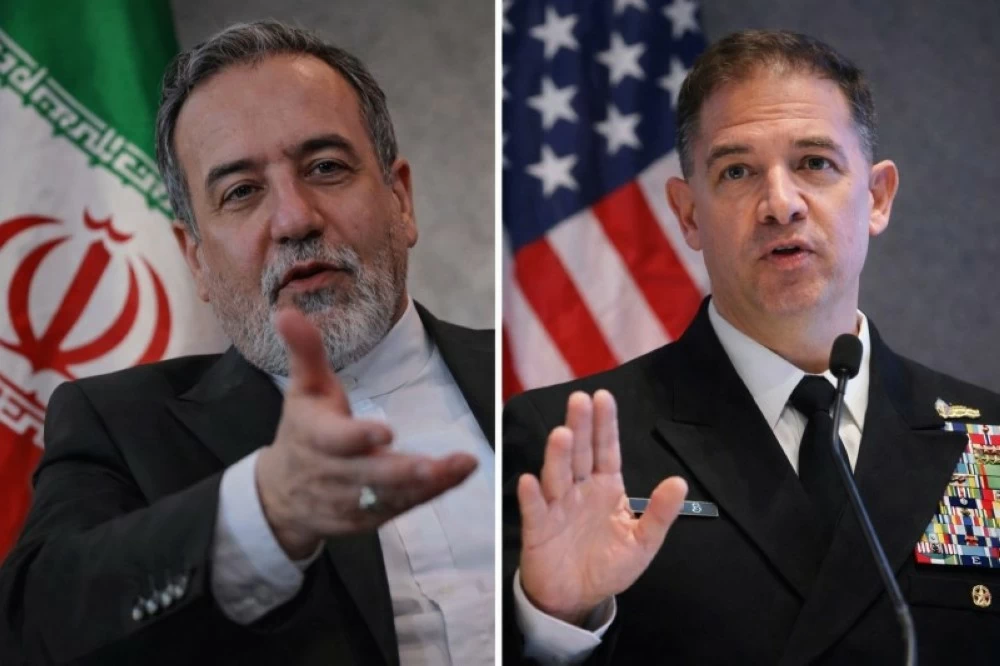
بين إشارات إيجابية خرجت من مسقط عقب الجولة الأولى من المفاوضات النووية غير المباشرة بين واشنطن وطهران، وأسئلة متصاعدة حول مسارها الحقيقي، برز تطوران لافتان: الأول تمثّل في إيفاد الرئيس الأمريكي دونالد ترمب أعلى قائد عسكري أمريكي في الشرق الأوسط إلى طاولة التفاوض، والثاني في كشف إسرائيل عن ستة مطالب صارمة يتمسك بها رئيس الوزراء بنيامين نتنياهو ويضغط لفرضها على أي اتفاق محتمل. تطوران يعكسان حجم التوتر والتعقيدات، وتشابك السياسة بالقوة العسكرية، في واحدة من أكثر الملفات حساسية في المنطقة.
جنرال بزي عسكري في مهمة دبلوماسية
في خطوة غير معتادة، كلّف الرئيس الأمريكي دونالد ترمب الأميرال براد كوبر، قائد القيادة المركزية الأمريكية (CENTCOM)، بحضور المحادثات غير المباشرة مع إيران في مسقط. وظهر كوبر مرتدياً بزته العسكرية، في رسالة فُسّرت على أنها تأكيد للحشد العسكري الأمريكي المتزايد في المنطقة، وربط مباشر بين مسار التفاوض وخيارات القوة.
هذه الخطوة أثارت تساؤلات واسعة حول دلالاتها السياسية، خصوصاً أنها المرة الأولى التي يشارك فيها قائد عسكري بهذا المستوى في محادثات من هذا النوع، ما فتح الباب أمام قراءات تتجاوز الطابع البروتوكولي إلى رسائل ردع وضغط ميداني.
انتقادات لنهج واشنطن الدبلوماسي
في هذا السياق، رأت إليسا إيويرز، التي شغلت مناصب في الأمن القومي بإدارتي جورج بوش الابن وباراك أوباما، أن تكليف قادة عسكريين بمهام دبلوماسية رفيعة يعكس تقليلاً من شأن الدبلوماسيين المحترفين، واعتماداً مفرطاً على الجيش في إدارة ملفات السياسة الخارجية، بحسب ما نقلته «أسوشييتد برس».
وأكدت أن الدبلوماسية الناجحة تحتاج وقتاً وجهداً واستثماراً طويل الأمد، قائلة: «لا يحتاج كل مسمار إلى مطرقة»، في إشارة إلى مخاطر تغليب المنطق العسكري على المسارات السياسية.
ستة شروط إسرائيلية على طاولة واشنطن
بالتوازي مع التحرك الأمريكي، كشفت مصادر إسرائيلية عن ستة مطالب يتمسك بها رئيس الوزراء بنيامين نتنياهو، وقد أبلغ بها الجانب الأمريكي، مع اقتراب جولة ثانية من المحادثات النووية. ووفق ما نقلته القناة 14 الإسرائيلية، تشمل هذه المطالب:
•الإلغاء الكامل للبرنامج النووي الإيراني.
•صفر قدرة على التخصيب.
•إزالة جميع كميات اليورانيوم المخصب من داخل إيران.
•تحديد مدى الصواريخ الباليستية بـ300 كيلومتر.
•تفكيك كامل شبكة الوكلاء التابعة لطهران في المنطقة.
•إشراف كامل وطويل الأمد على أي اتفاق مستقبلي.
طهران تهاجم و«القدرات الدفاعية» خط أحمر
في المقابل، صعّد وزير الخارجية الإيراني عباس عراقجي لهجته تجاه إسرائيل، متهماً إياها باتباع «عقيدة الهيمنة»، التي تتيح لها توسيع ترسانتها العسكرية، مع الضغط على دول أخرى في المنطقة لنزع سلاحها.
وشدد عراقجي، إلى جانب مسؤولين إيرانيين، على أن القدرات الدفاعية لبلاده، بما فيها الصواريخ، «غير قابلة للتفاوض»، في موقف يعكس اتساع فجوة الخلاف قبيل أي جولة قادمة.
لقاء مرتقب يحدد المسار
وتتجه الأنظار إلى اللقاء المرتقب بين نتنياهو والرئيس الأمريكي دونالد ترمب في واشنطن، الأربعاء القادم، والذي يُنتظر أن يكون حاسماً في رسم ملامح الموقف الأمريكي من الشروط الإسرائيلية، وحدود المرونة الممكنة في التفاوض مع طهران.
Amid positive signals coming from Muscat following the first round of indirect nuclear negotiations between Washington and Tehran, and rising questions about their true course, two notable developments emerged: the first was the dispatch of U.S. President Donald Trump’s top military commander in the Middle East to the negotiating table, and the second was Israel’s revelation of six strict demands insisted upon by Prime Minister Benjamin Netanyahu, which he is pressing to impose on any potential agreement. These developments reflect the extent of tension and complexities, intertwining politics with military power, in one of the most sensitive files in the region.
A General in Military Uniform on a Diplomatic Mission
In an unusual step, U.S. President Donald Trump tasked Admiral Brad Cooper, the commander of U.S. Central Command (CENTCOM), with attending the indirect talks with Iran in Muscat. Cooper appeared in his military uniform, a message interpreted as a confirmation of the increasing U.S. military buildup in the region, and a direct link between the negotiation process and military options.
This move raised widespread questions about its political implications, especially since it is the first time a military leader of this level has participated in talks of this nature, opening the door to interpretations that go beyond the ceremonial aspect to messages of deterrence and field pressure.
Criticism of Washington’s Diplomatic Approach
In this context, Elisa Ewers, who held positions in national security under both George W. Bush and Barack Obama, viewed the assignment of military leaders to high-level diplomatic tasks as a diminishment of professional diplomats’ roles and an excessive reliance on the military in managing foreign policy issues, according to what was reported by the Associated Press.
She emphasized that successful diplomacy requires time, effort, and long-term investment, stating: “Not every nail needs a hammer,” referring to the dangers of prioritizing military logic over political pathways.
Six Israeli Conditions on Washington’s Table
In parallel with the U.S. move, Israeli sources revealed six demands insisted upon by Prime Minister Benjamin Netanyahu, which he communicated to the U.S. side as a second round of nuclear talks approaches. According to Israeli Channel 14, these demands include:
•Complete cancellation of the Iranian nuclear program.
•Zero enrichment capability.
•Removal of all quantities of enriched uranium from within Iran.
•Limiting the range of ballistic missiles to 300 kilometers.
•Complete dismantling of Tehran’s network of proxies in the region.
•Full and long-term oversight of any future agreement.
Tehran Strikes Back and “Defensive Capabilities” are a Red Line
In response, Iranian Foreign Minister Abbas Araghchi intensified his rhetoric against Israel, accusing it of following a “doctrine of dominance,” which allows it to expand its military arsenal while pressuring other countries in the region to disarm.
Araghchi, along with Iranian officials, stressed that his country’s defensive capabilities, including missiles, are “non-negotiable,” in a stance that reflects the widening gap of disagreement ahead of any upcoming round.
Anticipated Meeting to Define the Course
All eyes are on the anticipated meeting between Netanyahu and U.S. President Donald Trump in Washington next Wednesday, which is expected to be decisive in shaping the U.S. stance on the Israeli conditions and the limits of possible flexibility in negotiations with Tehran.
للمزيد من المقالات
اضغط هنا
التعليقات