
600 ألف ريال غرامة استخدام مياه الصرف الصحي المعالجة – أخبار السعودية
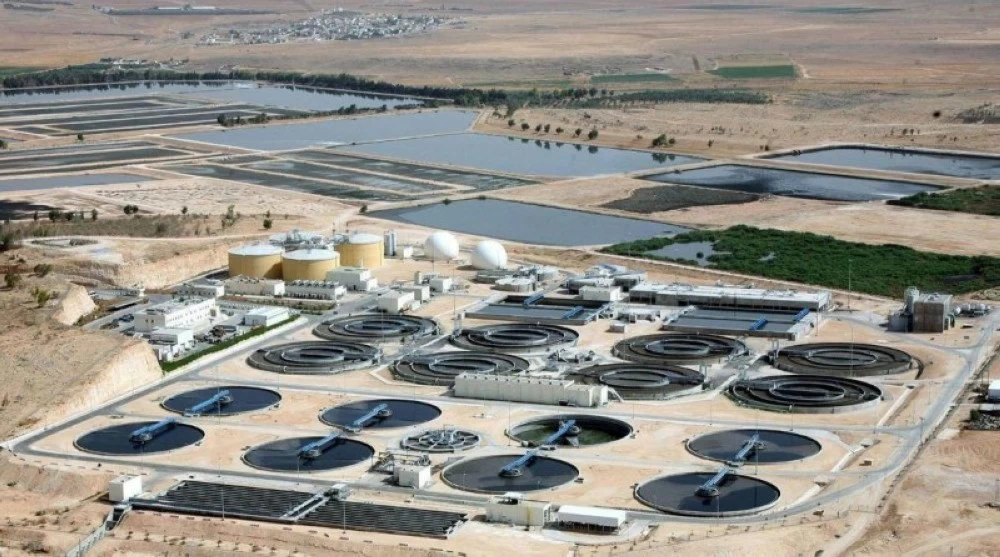
فرضت تحديثات معايير مياه الصرف الصحي المعالجة غرامة 600 ألف ريال على استخداماتها المخالفة.
وشدد مدير فرع وزارة البيئة في منطقة مكة المكرمة المهندس وليد آل دغيس، على ضرورة التزام جميع الجهات والمنشآت بالضوابط والاشتراطات المحدثة، محذراً أن استخدام مياه الصرف الصحي غير المعالجة يُعد مخالفة جسيمة، وأن التحديث يهدف إلى تعزيز الاستفادة الآمنة من المياه المعالجة، ودعم الأمن المائي والاستدامة البيئية.
وتضع معظم المواصفات العالمية شروطاً صارمة لاستخدام مياه الصرف الصحي المعالجة في الزراعة، اعتمدت على خواص المياه وتأثير العناصر النزرة والكيماوية على النباتات، والأخذ في الاعتبار حساسية النباتات والتربة للعناصر الكيميائية، مثل منظمة الصحة العالمية التي اهتمت بتأثير التلوث الميكروبيولوجي على النباتات كما اهتمت منظمة الأغذية والزراعة (الفاو) بتأثير العناصر الكيميائية على النباتات؛ لذلك لا ينصح عند إعادة استخدام مياه الصرف الصحي المعالجة في الزراعة إلا بعد التأكد من عدم زيادة تركيز العناصر النزرة عن تركيزها الطبيعي في التربة.
ويمكن إعادة استخدام مياه الصرف الصحي المعالجة للأغراض البلدية، والصناعية، والتعدينية، والأعمال الإنشائية، وللأغراض الترفيهية، والبيئية، فمن الصعب الحصول على جودة ثابتة ومستدامة للمياه المعالجة، إذ تعتمد الجودة على نوعية المياه المعالجة؛ لذلك تختلف الخصائص الفيزيائية والكيميائية للمياه المعالجة تبعاً لنوعية المياه المعالجة، كما تختلف تبعاً لنوعية المحطة وأسلوب التشغيل، وأنواع استخدامات مياه الصرف الصحي المعالجة.
Updates to the standards for treated wastewater have imposed a fine of 600,000 riyals for its improper uses.
The Director of the Ministry of Environment branch in the Makkah region, Engineer Walid Al-Daghis, emphasized the necessity for all entities and facilities to adhere to the updated regulations and requirements, warning that the use of untreated wastewater is considered a serious violation. He stated that the update aims to enhance the safe utilization of treated water and support water security and environmental sustainability.
Most global specifications impose strict conditions for the use of treated wastewater in agriculture, based on the properties of the water and the impact of trace elements and chemicals on plants, taking into account the sensitivity of plants and soil to chemical elements. For instance, the World Health Organization has focused on the impact of microbiological pollution on plants, while the Food and Agriculture Organization (FAO) has addressed the effects of chemical elements on plants. Therefore, it is not recommended to reuse treated wastewater in agriculture unless it is ensured that the concentration of trace elements does not exceed their natural levels in the soil.
Treated wastewater can be reused for municipal, industrial, mining, construction, recreational, and environmental purposes. It is challenging to obtain a consistent and sustainable quality of treated water, as the quality depends on the type of treated water. Consequently, the physical and chemical properties of treated water vary according to the quality of the treated water, as well as the type of treatment plant and operational methods, and the types of uses for treated wastewater.
للمزيد من المقالات
اضغط هنا
التعليقات