
ضربة قانونية لقرارات ترمب.. قاضٍ فيدرالي يوقف ترحيل آلاف اليمنيين من أمريكا – أخبار السعودية
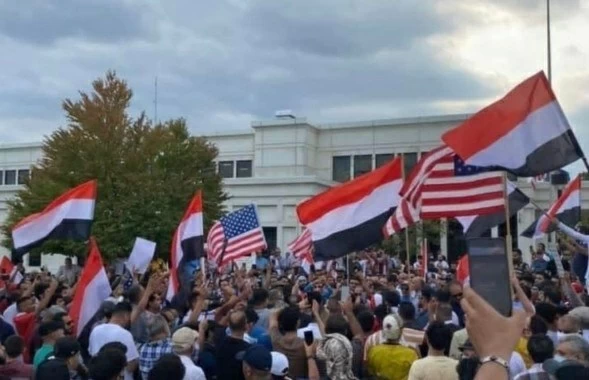
في مواجهة قانونية حاسمة داخل أروقة محاكم مانهاتن، نجح القضاء الأمريكي في كبح خطط إدارة الرئيس دونالد ترمب الرامية لإنهاء وضع الحماية المؤقتة لآلاف اللاجئين اليمنيين. القرار الذي أصدره القاضي الفيدرالي ديل هو لم يكن مجرد إجراء روتيني، بل جاء بمثابة طوق نجاة لـ 3,000 عائلة يمنية كانت على وشك مواجهة مصير الترحيل القسري.
بدأت القصة حين سعت إدارة ترمب لإنهاء برنامج «الحماية المؤقتة» (TPS) الممنوح لليمنيين، مبررة ذلك بأن الأوضاع في اليمن تحسنت ولا تستدعي استمرار الاستثناء. إلا أن المحكمة في نيويورك كان لها رأيٌ مغاير تماماً، إذ وصفت في نص قرارها هؤلاء اللاجئين بأنهم «أفراد عاديون ملتزمون بالقانون»، معتبرة أن إعادتهم يمثل مخاطرة إنسانية وقانونية غير مقبولة.
ولم يكتفِ القاضي بوقف الترحيل، بل وجه انتقادات لاذعة للآلية التي اتخذت بها وزارة الأمن الداخلي قراراتها، معتبراً أن الإدارة تجاوزت القنوات القانونية المعتمدة. وأكد القرار أن تغيير وضع الحماية ليس «قراراً تنفيذياً» بامتياز يمكن اتخاذه بضغطة زر، بل يتطلب مساراً قانونياً واضحاً وشفافاً يمر عبر الكونغرس، وليس بعيداً عن الرقابة القضائية.
وأثار هذا الحكم موجة من الترحيب في الأوساط الحقوقية، إذ اعتبر «المركز الأمريكي للعدالة» أن هذا الإنجاز القضائي يمثل درع حماية ضرورياً في وقت حرج. ويأتي هذا التطور ليُعيد فتح ملف الهجرة في الولايات المتحدة على مصراعيه، ويطرح السؤال الأزلي: أين تنتهي السلطة التنفيذية في فرض رؤيتها الأمنية؟ وأين تبدأ حدود الاعتبارات الإنسانية والقانونية؟
وبموجب هذا الحكم الفيدرالي، حصل اللاجئون اليمنيون المشمولون بالقرار على «هدنة قانونية» مؤقتة، إذ تم تمديد الحماية لهم وتجميد أي إجراءات للترحيل حتى صدور حكم نهائي في القضية. وبينما يترقب الجميع المسار القضائي الطويل، تبقى هذه الجولة «انتصاراً لروح القانون» في وجه السياسة.
In a decisive legal confrontation within the halls of Manhattan courts, the American judiciary succeeded in curbing the plans of President Donald Trump’s administration to end the temporary protected status for thousands of Yemeni refugees. The decision issued by Federal Judge Dale Ho was not merely a routine measure; it served as a lifeline for 3,000 Yemeni families who were on the brink of facing forced deportation.
The story began when the Trump administration sought to terminate the Temporary Protected Status (TPS) granted to Yemenis, justifying this by claiming that conditions in Yemen had improved and no longer warranted the continuation of the exemption. However, the court in New York had a completely different opinion, describing these refugees in its ruling as “law-abiding ordinary individuals,” considering that their return posed an unacceptable humanitarian and legal risk.
The judge did not stop at halting deportations; he also issued sharp criticisms of the mechanism by which the Department of Homeland Security made its decisions, asserting that the administration had bypassed the established legal channels. The ruling emphasized that changing protected status is not an “executive decision” that can be made at the push of a button, but requires a clear and transparent legal process that passes through Congress, and is not far from judicial oversight.
This ruling sparked a wave of welcome in human rights circles, as the “American Center for Justice” considered this judicial achievement to be a necessary shield at a critical time. This development reopens the immigration file in the United States wide open and raises the eternal question: Where does executive power end in imposing its security vision? And where do the boundaries of humanitarian and legal considerations begin?
Under this federal ruling, the Yemeni refugees covered by the decision received a temporary “legal reprieve,” as their protection was extended and any deportation procedures were frozen until a final ruling in the case is issued. While everyone awaits the lengthy judicial process, this round remains a “victory for the spirit of the law” in the face of politics.
للمزيد من المقالات
اضغط هنا