
واشنطن تجمع بيروت وتل أبيب: هل ينجح لبنان في فك الارتباط الإقليمي؟ – أخبار السعودية
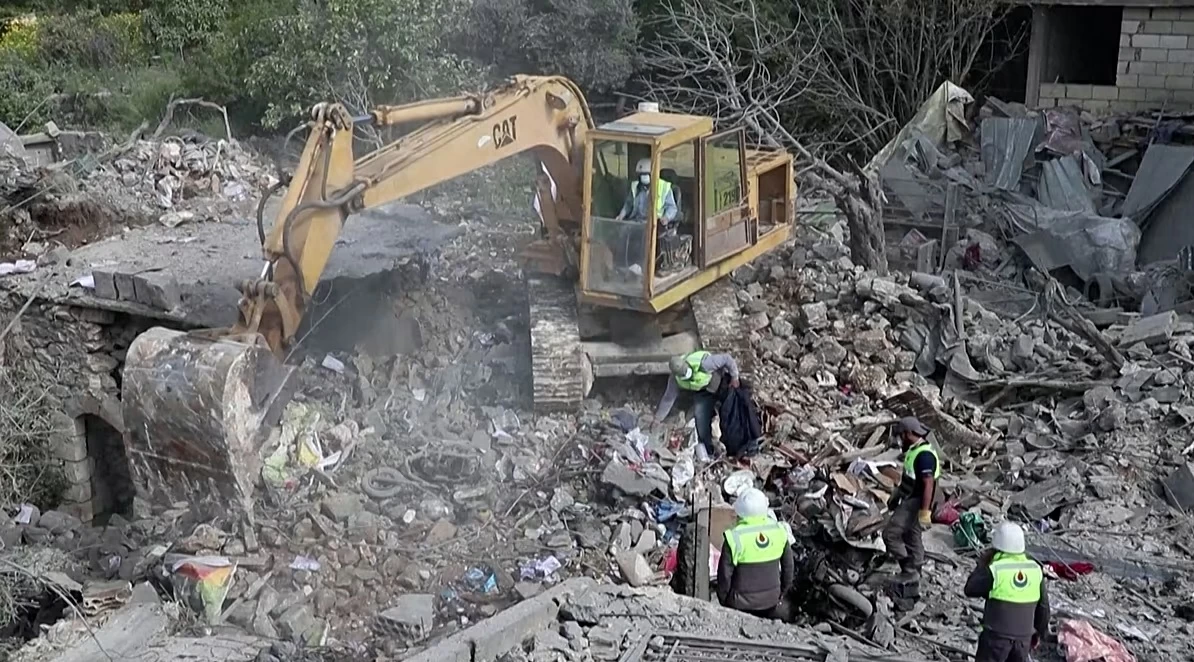
تتجه الأنظار اليوم (الثلاثاء) نحو العاصمة الأمريكية، حيث تُعقد جلسة مباحثات وصفت بـ«التاريخية» والمفصلية في مسار الصراع اللبناني-الإسرائيلي. اللقاء الذي يجمع السفيرة اللبنانية في واشنطن والسفير الإسرائيلي، برعاية مباشرة من السفير الأمريكي لدى لبنان ميشال عيسى، لا يمثل مجرد جولة تفاوضية، بل يعكس تحولاً جذرياً في العقيدة السياسية اللبنانية التي يقودها اليوم الرئيس اللبناني جوزيف عون، ورئيس الحكومة نواف سلام.
تأتي هذه الخطوة مدفوعة برغبة بيروت الرسمية في استعادة قرارها السيادي، وهو ما تجلى في الموقف الصارم للرئيس نواف سلام الذي رفض بشكل قاطع تحويل لبنان إلى «ورقة تفاوض» ضمن الأجندة الإيرانية.
هذا التوجه اللبناني نحو «التفاوض عن الذات» تلقفته تل أبيب سريعاً، معتبرة إياه فرصة ذهبية لفصل المسار اللبناني عن الإقليمي، وتحديداً المسار الإيراني الذي طالما ربط مصير الجنوب بملفات المنطقة.
وعلى مستوى الطروحات، كشفت مصادر دبلوماسية قريبة من أجواء التحضيرات وتقاطعت مع معلومات وزارية لبنانية أن لبنان يدخل هذه المفاوضات بطلب أساسي ووحيد كمقدمة لأي حوار، وهو «الوقف الفوري والشامل لإطلاق النار».
وترى بيروت أن التهدئة هي الجسر الإلزامي الذي يسبق الدخول في أي تفاصيل تقنية أو سياسية لاحقة.
في المقابل، يبدو السقف الإسرائيلي مرتفعاً ومرتبطاً بضمانات أمنية جذرية. فالموقف الإسرائيلي لا يقف عند حدود التهدئة، بل يطالب بما يسميه «تمرين السلام»، وهو مسار يهدف في جوهره إلى تغيير الواقع الميداني عبر «نزع سلاح حزب الله» بشكل كامل وتأمين الحدود الشمالية لضمان عودة المستوطنين. هذا التباين الحاد في الأولويات بين وقف إطلاق نار لبناني ونزع سلاح إسرائيلي يضع السفير الأمريكي ميشال عيسى أمام مهمة شاقة لتقريب وجهات النظر.
إن نجاح مبادرة الرئيس عون وإصرار الرئيس سلام على فصل المسارات يضع الدولة اللبنانية أمام اختبار حقيقي أمام المجتمع الدولي، فإما أن تنجح «دبلوماسية الضرورة» في انتزاع استقرار مستدام يخرج لبنان من نفق الصراعات بالوكالة، أو يصطدم هذا الطموح بعقبة الشروط الأمنية القاسية التي قد تجعل من طريق التفاوض طويلاً ومعقداً.
All eyes are on the American capital today (Tuesday), where a session of talks described as “historic” and pivotal in the course of the Lebanese-Israeli conflict is taking place. The meeting, which brings together the Lebanese ambassador in Washington and the Israeli ambassador, is directly sponsored by the American ambassador to Lebanon, Michel Aoun. It does not represent just another round of negotiations, but reflects a fundamental shift in Lebanese political doctrine led today by Lebanese President Joseph Aoun and Prime Minister Nawaf Salam.
This step is driven by the official desire of Beirut to regain its sovereign decision, which was evident in the firm stance of Prime Minister Nawaf Salam, who categorically rejected turning Lebanon into a “bargaining chip” within the Iranian agenda.
This Lebanese approach towards “self-negotiation” was quickly picked up by Tel Aviv, which sees it as a golden opportunity to separate the Lebanese track from the regional one, specifically the Iranian track that has long tied the fate of the south to regional files.
At the level of proposals, diplomatic sources close to the preparatory atmosphere and intersecting with Lebanese ministerial information revealed that Lebanon enters these negotiations with a fundamental and sole demand as a prelude to any dialogue, which is the “immediate and comprehensive ceasefire.”
Beirut believes that de-escalation is the mandatory bridge that precedes entering any subsequent technical or political details.
In contrast, the Israeli ceiling seems high and linked to fundamental security guarantees. The Israeli stance does not stop at the limits of de-escalation but demands what it calls a “peace exercise,” which essentially aims to change the field reality by completely “disarming Hezbollah” and securing the northern borders to ensure the return of settlers. This sharp divergence in priorities between a Lebanese ceasefire and Israeli disarmament places American ambassador Michel Aoun in a challenging position to bridge the gaps.
The success of President Aoun’s initiative and Prime Minister Salam’s insistence on separating the tracks puts the Lebanese state before a real test in front of the international community. Either “diplomacy of necessity” succeeds in extracting sustainable stability that pulls Lebanon out of the tunnel of proxy conflicts, or this ambition collides with the obstacle of harsh security conditions that may make the path to negotiation long and complicated.
للمزيد من المقالات
اضغط هنا