
نيوزيلندا تحت الطوارئ.. إعصار «فايانو» يقطع الكهرباء ويجبر السكان على الفرار – أخبار السعودية
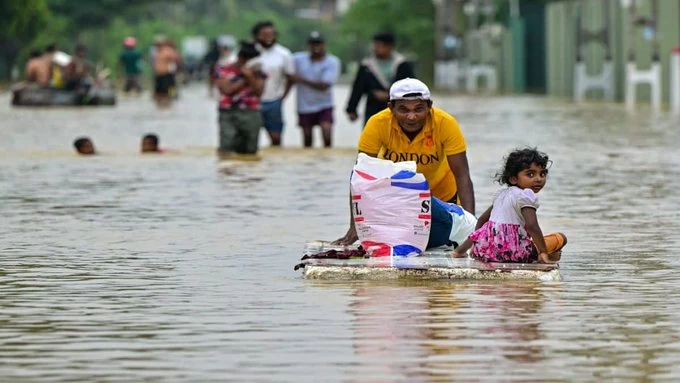
أعلنت السلطات النيوزيلندية أمس (الأحد) انقطاع التيار الكهربائي عن أكثر من 10 آلاف منزل في الجزيرة الشمالية، جراء الإعصار المداري «فايانو» الذي يضرب المنطقة برياح شديدة وأمطار غزيرة.
وقال وزير إدارة الطوارئ مارك ميتشل إن نحو 800 شخص تم إجلاؤهم من منازلهم حتى الآن، فيما أُعلنت حالة الطوارئ في نحو 10 مواقع مختلفة بالجزيرة الشمالية، بسبب خطر الفيضانات والانهيارات الأرضية وإغلاق الطرق.
وأوضح ميتشل أن الإعصار «فايانو»، الذي بدأ يؤثر على الجزيرة الشمالية منذ ليل السبت، يحمل رياحاً تصل سرعتها إلى أكثر من 130 كيلومتراً في الساعة، وأمطاراً غزيرة تسببت في فيضانات ساحلية وانهيارات أرضية في عدة مناطق، خصوصاً في نورثلاند وباي أوف بلنتي وهاوكس باي.
وأضاف الوزير أن مراكز الدفاع المدني تم تفعيلها في أنحاء البلاد، وأن السلطات تعمل على استعادة التيار الكهربائي تدريجياً، وتمت بالفعل إعادة الكهرباء إلى جزء من المنازل المتضررة، مشدداً على أن الذروة الحقيقية للإعصار لم تصل بعد، داعياً السكان للالتزام بتعليمات السلامة وتجنب التنقل غير الضروري.
من جانبها، أكدت هيئة الأرصاد الجوية النيوزيلندية أن الإعصار يتحرك شرقاً باتجاه الساحل الشرقي للجزيرة، مما يزيد من خطر الأمواج العالية التي قد تصل إلى 8-11 متراً في بعض المناطق الساحلية.
ودعت السلطات المواطنين إلى الاستعداد لانقطاع محتمل للكهرباء والمياه، وتجهيز حقائب الطوارئ، ومتابعة التحذيرات الرسمية عبر الراديو أو التطبيقات.
ويأتي إعصار «فايانو» بعد سلسلة من الكوارث الطبيعية التي ضربت نيوزيلندا في السنوات الأخيرة، أبرزها الإعصار «غابرييل» عام 2023، الذي أودى بحياة 11 شخصاً على الأقل وتسبب في نزوح آلاف السكان وخسائر اقتصادية هائلة في الجزيرة الشمالية.
وتُعد نيوزيلندا، بموقعها في «حزام النار» وحساسيتها للتغير المناخي، عرضة للأعاصير المدارية والعواصف الشديدة، خصوصاً في فصلي الخريف والشتاء، وقد أدت الأحداث السابقة إلى إجراء تحقيق حكومي رسمي حول نظام إدارة الطوارئ، أوصى بتحسين التنسيق بين الجهات المعنية وتعزيز الاستعداد المبكر للكوارث.
The New Zealand authorities announced yesterday (Sunday) a power outage affecting more than 10,000 homes in the North Island, due to the tropical cyclone “Faianu” which is hitting the area with strong winds and heavy rain.
Emergency Management Minister Mark Mitchell stated that about 800 people have been evacuated from their homes so far, while a state of emergency has been declared in around 10 different locations in the North Island, due to the risk of flooding, landslides, and road closures.
Mitchell explained that the cyclone “Faianu,” which began affecting the North Island since Saturday night, carries winds reaching speeds of over 130 kilometers per hour, and heavy rains that have caused coastal flooding and landslides in several areas, particularly in Northland, Bay of Plenty, and Hawke’s Bay.
The minister added that civil defense centers have been activated across the country, and authorities are working to gradually restore power, with electricity already restored to some of the affected homes, emphasizing that the true peak of the cyclone has not yet been reached, urging residents to adhere to safety instructions and avoid unnecessary travel.
For its part, the New Zealand Meteorological Service confirmed that the cyclone is moving eastward towards the eastern coast of the island, increasing the risk of high waves that could reach 8-11 meters in some coastal areas.
Authorities urged citizens to prepare for a potential outage of electricity and water, pack emergency bags, and follow official warnings via radio or apps.
The cyclone “Faianu” comes after a series of natural disasters that have struck New Zealand in recent years, most notably the cyclone “Gabrielle” in 2023, which claimed the lives of at least 11 people and caused the displacement of thousands of residents and enormous economic losses in the North Island.
New Zealand, located in the “Ring of Fire” and sensitive to climate change, is prone to tropical cyclones and severe storms, especially in the autumn and winter seasons, and previous events have led to an official government investigation into the emergency management system, recommending improved coordination among relevant agencies and enhanced preparedness for disasters.
للمزيد من المقالات
اضغط هنا