
لميناء ينبع.. كوريا تتجه لإرسال ناقلات نفط بعيداً عن مضيق هرمز – أخبار السعودية
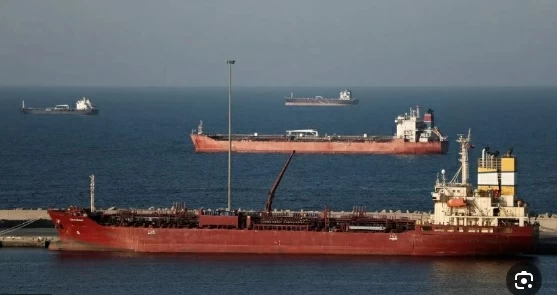
تعتزم سيول إرسال 5 سفن ترفع علم كوريا الجنوبية إلى ميناء «ينبع» على البحر الأحمر، في مسار بديل لتأمين إمدادات النفط تتجنب من خلاله مضيق هرمز، بحسب ما أعلن النائب في الحزب الحاكم آن دوغول.
طرق بديلة
وقال «آن دوغول» للصحفيين بعد اجتماع مع السلطات المعنية، بما فيها «وزارة الطاقة»: «ثمة حاجة إلى إرسال سفن ترفع العلم الكوري عبر طرق بديلة لتأمين إمدادات النفط الخام باستخدام مسارات تصدير تتجنب مضيق هرمز».
وأضاف: «نعمل على إرسال 5 سفن ترفع العلم الكوري الجنوبي إلى ميناء ينبع في المملكة العربية السعودية، في منطقة البحر الأحمر». وأشار إلى أن مبعوثين خاصين سيزورون كذلك المملكة وسلطنة عمان والجزائر؛ لبحث تأمين إمدادات إضافية من النفط الخام.
إجراءات طارئة
وأغلقت إيران فعلياً مضيق هرمز، الممر الحيوي لإمدادات النفط والغاز الطبيعي المسال، منذ بدء الحرب الأمريكية الإسرائيلية عليها في 28 فبراير الماضي.
وأسفر ذلك عن اضطراب إمدادات الطاقة عالمياً، ما انعكس سلباً على العديد من الدول، ومنها كوريا الجنوبية، التي تعتمد على نفط الشرق الأوسط لتأمين نحو 70% من وارداتها.
ودفع ذلك سيول إلى اعتماد إجراءات طارئة، بما في ذلك تحديد سقف لأسعار الوقود، وذلك للمرة الأولى منذ عام 1997.
ومن ضمن الإجراءات، حثت «وزارة الطاقة» السكان على ترشيد الاستهلاك، بما في ذلك تقليل مدة الاستحمام وشحن الهواتف المحمولة خلال ساعات النهار.
Seoul plans to send 5 ships flying the South Korean flag to the port of “Yanbu” on the Red Sea, in an alternative route to secure oil supplies while avoiding the Strait of Hormuz, according to ruling party lawmaker Ahn Do-geol.
Alternative Routes
Ahn Do-geol told reporters after a meeting with relevant authorities, including the “Ministry of Energy”: “There is a need to send ships flying the Korean flag via alternative routes to secure crude oil supplies using export paths that avoid the Strait of Hormuz.”
He added: “We are working to send 5 ships flying the South Korean flag to the port of Yanbu in the Kingdom of Saudi Arabia, in the Red Sea region.” He noted that special envoys will also visit the Kingdom, Oman, and Algeria to discuss securing additional supplies of crude oil.
Emergency Measures
Iran has effectively closed the Strait of Hormuz, the vital corridor for oil and liquefied natural gas supplies, since the start of the American-Israeli war against it on February 28.
This has led to global energy supply disruptions, negatively impacting many countries, including South Korea, which relies on Middle Eastern oil to secure about 70% of its imports.
This situation has prompted Seoul to adopt emergency measures, including setting a cap on fuel prices, for the first time since 1997.
Among the measures, the “Ministry of Energy” urged residents to conserve consumption, including reducing shower time and charging mobile phones during daylight hours.
للمزيد من المقالات
اضغط هنا