
«الهبل» أسطرة الجغرافيا وأنسنة التاريخ – أخبار السعودية
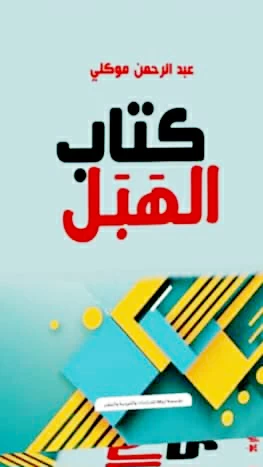
في كتابه «الهَبَل» الصادر عن دار أروقة للنشر والتوزيع – القاهرة 2025، يقترب الشاعر والباحث السعودي عبدالرحمن موكلي من الكتابة كفعل مركب يستعيد به المكان صوته، وتسترد الأسماء بريقها الأول بعد أن بهت تحت الاستعمال، وتتحرر الجغرافيا من انحصارها في حدود صامتة. هنا تتحول الخريطة إلى ذاكرة تمشي، ذاكرة تتكلم بلسان الحروف وتخفي في طبقاتها ما غاب عن السرد الرسمي أو مرّ فيه مروراً عابراً. يفتح موكلي أمام القارئ طريقاً يُسلك، ويأخذه بعيداً عن الاطمئنان إلى التعريف القاموسي، نحو أسطرة الجغرافيا وأنسنة التاريخ، والمثاقفة باللغة والمقاربة بين الأمكنة والأطعمة والأشعار أنثربولوجياً.
منذ الصفحات الأولى يتشكل كتاب يتحرك خارج التصنيفات المستقرة، تتداخل فيه الأنواع وتذوب حدوده، فتلتقي نبرة البحث بحساسية الشعر ويجاور السرد التأمل. يحمل من القاموس ومن الدراسة ومن القصيدة ومن الحكاية ملامح متفرقة، ثم يعيد تركيبها في صيغة يكون فيها المكان محور الحضور، كائناً له سيرة وطباع وذاكرة مشتعلة وأساطير مؤجلة وأصوات تنتظر من ينصت إليها.
يلتقط (الهبل) ما تبقى من الأسطورة في الأسماء، في الجبال والسهول والمدن، في الانزياحات الصوتية والتشابهات الخفية بين المفردات. اللغة تبدو كأنها تحتفظ بسر قديم، وما على الكاتب سوى أن يزيح عنها غبار التداول اليومي لتبوح بما ادخرته الأزمنة.
تتحول الجغرافيا إلى مادة مشتعلة ما إن تلامسها الذاكرة حتى تتوهج. ينطلق موكلي من اسم عابر، قرية أو جبل أو سوق أو وادٍ.
ما ينجزه موكلي يتجاوز التفكيك اللغوي في صورته الأكاديمية الصارمة، إذ يفتح منطقة خصبة تتحول فيها الكلمة إلى سرد محتمل، وإلى اقتراح جمالي يتسع للتأويل. بهذا المعنى يستعيد الحرف حقه في الاحتمال، ويتحرر من سلطة المُعجم دون أن يفقد تماسكه.
تتجلى العلاقة بين الإنسان والمكان عبر الأثر المتراكم للعيش، حيث تتداخل الحكايات والمعتقدات والرغبات مع اللغة التي تركت علامات باقية. يلامس الكتاب الحس الأنثروبولوجي من داخل التجربة، ويقترب من الذاكرة الشفاهية والعادات والطقوس، ويفتح أفقاً أوسع لفهم حضور المكان في الوعي الجمعي.
الرحلة تمتد عبر غرب جزيرة العرب، من المدن القريبة من البحر الأحمر إلى القرى والأسواق البعيدة عن السرد المركزي، وتمضي في الوقت نفسه داخل طبقات الذاكرة، حيث تحمل كل بقعة صدى حياة كاملة وكل اسم أثراً لمن مرّ به.
اللغة تنساب بمرونة، تبدأ من تفصيلة صغيرة ثم تتسع تدريجياً، فتشبه حركة الذاكرة حين تنطلق من ومضة لتستدعي عوالم كاملة. القارئ يتنقل بين هذه الدوائر في نسيج متصل يجعله يقظاً ومشاركاً في بناء المعنى.
(الهبل) كتاب أسئلة مفتوحة تدور حول المكان واللغة وحدود المعرفة حين تلامس المخيال. يضع الأدب في تماس مع الأنثروبولوجيا ضمن أفق يسمح بالتكامل، حيث تتخفف الكتابة من أثقالها البلاغية وتتخفف المعرفة من صرامتها، وفي هذا التوازن يتشكل نص مختلف.
تنبع أهمية الكتاب من هذا المسعى الذي يعيد التفكير في علاقة الأدب بالمكان، ويمنح الأسماء حضورها كخزائن للذاكرة. ومع تسارع التلاشي تبدو هذه الكتابة استعادة لما ظل كامناً ينتظر من ينصت إليه.
لهذا تُقرأ تجربة (الهبل) على مهل وتظل قابلة للعودة، حيث تمتد الأسئلة ويتجدَّد الإصغاء للمكان وللأسماء التي تتردد في حياتنا اليومية وهي تحمل تاريخاً طويلاً من التحول. هنا تتحول الجغرافيا عبر الأدب إلى أسطورة حية تستعاد مع كل قراءة جديدة.
In his book “Al-Habal,” published by Dar Arouqat for Publishing and Distribution – Cairo 2025, Saudi poet and researcher Abdulrahman Moukli approaches writing as a complex act that restores the voice of place, revives names to their original brilliance after they have faded under usage, and liberates geography from its confinement within silent borders. Here, the map transforms into a walking memory, a memory that speaks in the language of letters and hides within its layers what has been absent from official narratives or merely passed through fleetingly.
From the very first pages, a book takes shape that moves beyond stable classifications, where genres intertwine and boundaries dissolve, merging the tone of research with the sensitivity of poetry, while narrative coexists with contemplation. It carries fragmented features from the dictionary, from study, from poetry, and from storytelling, then reassembles them in a form where place becomes the center of presence, a being with a biography, temperament, a burning memory, postponed legends, and voices waiting for someone to listen.
(Al-Habal) captures what remains of myth in names, in mountains, plains, and cities, in sound displacements and hidden similarities between words. Language seems to hold an ancient secret, and all the writer needs to do is brush off the dust of daily usage for it to reveal what time has preserved.
Geography transforms into a burning material as soon as memory touches it, causing it to glow. Moukli starts from a transient name, whether it be a village, a mountain, a market, or a valley.
What Moukli accomplishes transcends linguistic deconstruction in its strict academic form, as he opens a fertile area where words turn into potential narratives and into an aesthetic proposal that expands for interpretation. In this sense, the letter regains its right to possibility and frees itself from the authority of the dictionary without losing its coherence.
The relationship between humans and place manifests through the accumulated traces of living, where stories, beliefs, and desires intertwine with the language that has left lasting marks. The book touches on the anthropological sense from within the experience, getting closer to oral memory, customs, and rituals, and opens a wider horizon for understanding the presence of place in collective consciousness.
The journey extends across the western part of the Arabian Peninsula, from cities near the Red Sea to villages and markets far from the central narrative, while simultaneously delving into layers of memory, where every spot carries the echo of a complete life and every name bears the trace of those who passed by.
Language flows with flexibility, starting from a small detail and gradually expanding, resembling the movement of memory when it begins from a flash to evoke entire worlds. The reader moves between these circles in a connected fabric that keeps them alert and engaged in constructing meaning.
(Al-Habal) is a book of open questions revolving around place, language, and the limits of knowledge when they touch the imagination. It places literature in contact with anthropology within a horizon that allows for integration, where writing sheds its rhetorical burdens and knowledge lightens its severity, and in this balance, a different text is formed.
The importance of the book stems from this endeavor that rethinks the relationship between literature and place, granting names their presence as repositories of memory. With the acceleration of fading, this writing appears as a retrieval of what has remained latent, waiting for someone to listen.
For this reason, the experience of (Al-Habal) should be read slowly and remains open to revisiting, as questions extend and listening to place and the names that resonate in our daily lives, carrying a long history of transformation, is renewed. Here, geography transforms through literature into a living myth that is revived with every new reading.
للمزيد من المقالات
اضغط هنا