
كمال عبداللطيف: معركتنا الأولى مع ذواتنا لرؤية الأعطاب – أخبار السعودية
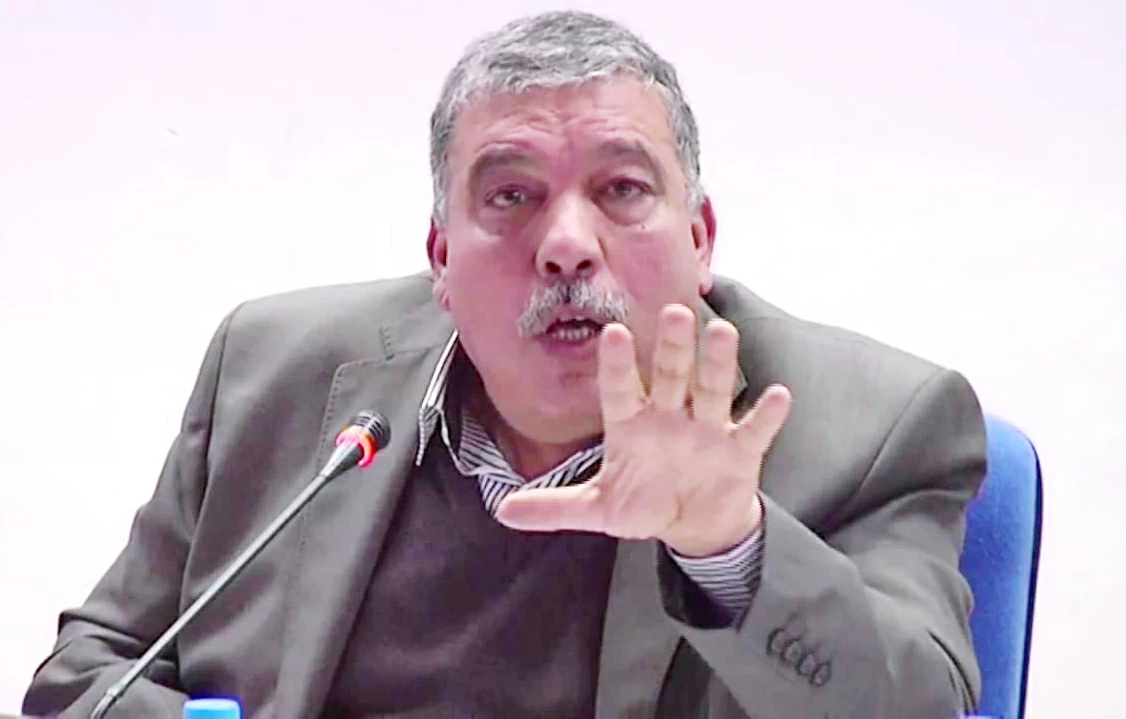
يرى المفكر كمال عبداللطيف أن الفكر العربي اليوم يواجه معارك مركّبة، بعضها مع العالم من حولنا، وكثير منها مع ذواتنا وتاريخنا، موضحاً أنه لا مخرج مما نعانيه إلا بمواصلة الجهد دون كلل لإيجاد الحلول التي تُسعَف بإمكانية تجاوز العلل التي تحول بيننا وبين الانخراط المبدع والمنتج في عالمنا.
ويرى أن المعركة القائمة بيننا وبين الآخرين عنيفة، وأن عناصرها متعددة، وأننا مطالبون بخوضها بكثير من الحس السياسي التاريخي، وبتنويع المقاربات في مواجهة كل أشكال الحروب؛ كون المجال الفكري تحديداً يتطلب منا بلورة الرؤى المساعدة على مغالبة التحديات ومواجهتها بأقصى ما يمكن من الترتيب المساعد على التقليص من حدة النتائج، التي نتجت وتنتج عنها في الواقع.
ولفت إلى أنه إذا كانت المقاومة السياسية لا تكفي في الخصام مع الآخرين، بل نحتاج للمقاومة النقدية لمخاصمة الذات، والنظر إلى مواطن العطب بموضوعية، فليس كل ما يقع في عالمنا اليوم من ويلات، يحصل لأننا أمة مستهدفة فقط، بل لأننا لا نعرف أنفسنا معرفة تاريخية، وأنه من بيننا من لا زال يحلم بالسيطرة على العالم بالبيان.
و أبدى أسفه أننا اعتدنا -ونحن نواجه مظاهر تأخرنا التاريخي العام- تصويب سهام نقدنا نحو الآخرين، وتبرئة ذواتنا، وأن مدارس الفكر الإسلامي المعاصر، تقف وراء تيارات تمارس الاحتجاج باستعادة نصوص فقيرة، ومأثورات موصولة بزمن لا علاقة له بمتطلبات أزمتنا، وأفقر نصوص الفكر العربي المعاصر تندرج ضمن النصوص التي أنتجها المصلحون الذين دافعوا عن «أطروحة المستقبل الماضي»، فغدت تيارات الإسلام السياسي المثال الحيّ الأكبر على عمليات التوظيف التي تكتفي بتحويل القيم الروحية الإسلامية السامية إلى آلية في التجييش والتسخير بدل بناء النظر المجتهد والمتفاعل.
وعلل كثيراً من القضايا الشائكة بمجال الإصلاح التربوي، باستمرار نظام تقليدي يكتفي فيه المشرفون على عمليات التربية والتعليم بترسيخ إستراتيجيات الحفظ والتلقين، وتكرار منتج الموروث وتحويله إلى سلطة كابحة لآليات الفكر النقدي والتحليل التاريخي، ما يترتب عليه إنتاج معلومة لا علاقة بينها وبين الواقع، دون إعادة بناء أنظمة التربية والتعليم في ضوء متغيرات المعرفة ومتغيرات المجتمع في عالمنا وفي العالم المعاصر.
The thinker Kamal Abdul Latif believes that Arab thought today faces complex battles, some of which are with the world around us, and many of which are with ourselves and our history. He clarifies that there is no way out of what we are suffering except through relentless efforts to find solutions that can help us overcome the ailments that stand between us and creative, productive engagement in our world.
He sees that the ongoing battle between us and others is fierce, with multiple elements, and that we are required to engage in it with a great deal of historical political sensitivity, and by diversifying our approaches to confront all forms of wars; as the intellectual field specifically requires us to articulate visions that help us overcome challenges and face them with the utmost possible organization to mitigate the severity of the outcomes that have arisen and continue to arise in reality.
He pointed out that if political resistance is not enough in our disputes with others, we also need critical resistance to confront ourselves and to look at the points of failure objectively. Not everything that happens in our world today is due to us being a targeted nation only, but because we do not know ourselves with a historical understanding, and among us are those who still dream of dominating the world through rhetoric.
He expressed his regret that we have become accustomed – while facing the manifestations of our general historical backwardness – to directing our critical arrows towards others and absolving ourselves. He noted that contemporary Islamic thought schools stand behind movements that protest by retrieving poor texts and sayings connected to a time that has no relation to the requirements of our crisis. The poorest texts of contemporary Arab thought fall within those produced by reformers who defended the “thesis of the past future,” making the currents of political Islam the largest living example of operations that merely transform noble Islamic spiritual values into mechanisms for mobilization and exploitation instead of building a thoughtful and interactive perspective.
He attributed many of the thorny issues in the field of educational reform to the continuation of a traditional system where those overseeing education and teaching merely reinforce strategies of memorization and rote learning, repeating the inherited product and transforming it into an authority that stifles the mechanisms of critical thought and historical analysis. This results in the production of information that has no connection to reality, without rebuilding educational systems in light of the changes in knowledge and societal transformations in our world and the contemporary world.
للمزيد من المقالات
اضغط هنا
التعليقات